
Homes for Sale in Williamston, Michigan
Search all available listings, view market trends, and get expert guidance from Edward Kalavitz — your dual-licensed Williamston Realtor and Mortgage Loan Originator with 25+ years of experience.
Realtor License #6501386956 · Turnkey Realty LLC • NMLS #138424 · Private Mortgage Guarantee LLC
In This Guide
- Market Dashboard
- Today’s Rates in Williamston
- Michigan Mortgage Advisor
- Homes for Sale in Williamston
- About Williamston
- Neighborhoods & Subdivisions
- Property Types
- Schools & Education
- Cost of Living & Taxes
- Market Trends
- Mortgage Options in Williamston
- Buying in Williamston
- Selling in Williamston
- Edward’s Local Take
- Watch: Meet Edward
- Nearby Cities
- Google Reviews
- Williamston FAQ
- Available Hours
Williamston Real Estate Market Dashboard
Mortgage Rates in Williamston
Competitive pricing personalized to your scenario. Rates shown reflect 740+ credit, 30-year fixed terms unless noted.
Purchase Loans
Conventional Purchase
15-Year Conventional
FHA 30-Year Purchase
VA 30-Year Purchase
USDA Purchase & Refinance
USDA 30-Year Purchase
FHA Streamline Refi
Conventional Refinance
Jumbo & High-Balance
Jumbo / High-Balance
Not Sure Which Loan You Qualify For?
See the rates. Not sure which loan fits your situation? The Michigan Mortgage Advisor answers that in 60 seconds — analyzing your credit, down payment, and goals to recommend the best loan program and show you your real monthly payment on Williamston Michigan real estate.
- Instant loan-type recommendation — FHA, VA, USDA, or Conventional
- Live rate and APR for your exact scenario
- Michigan-specific closing cost estimate
- No credit check required to start
Best loan for you: FHA
3.5% down
~$1,830/mo principal + interest
Your actual recommendation is calculated live based on your inputs.
Featured Williamston Listings
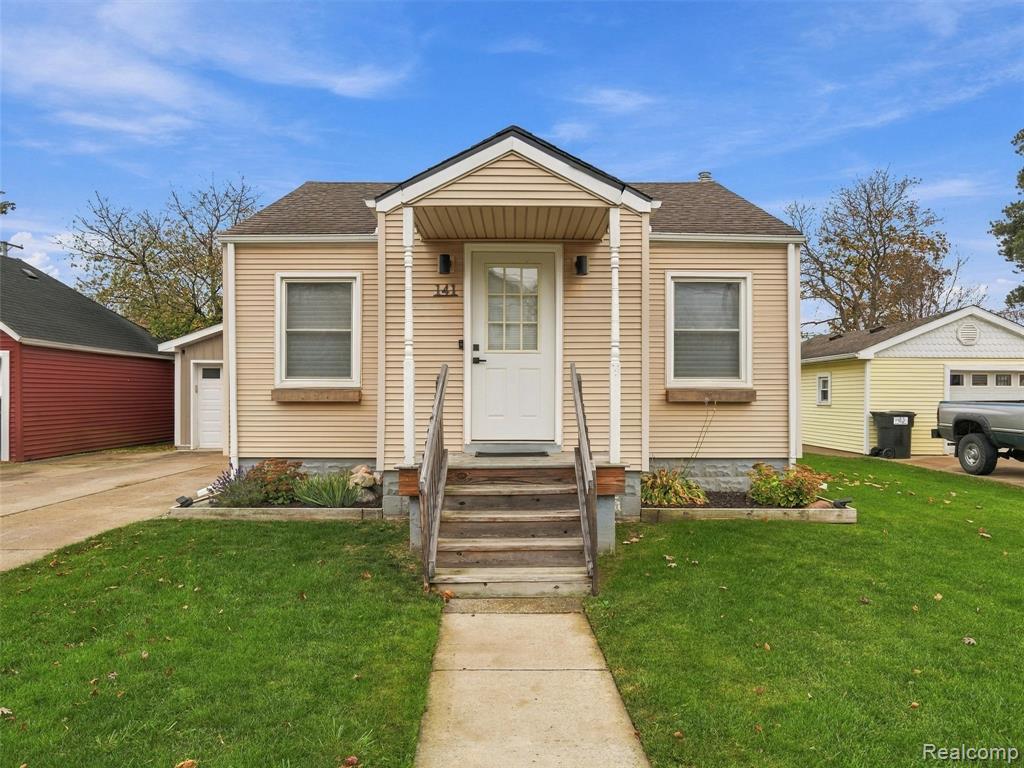
Premium properties in the Williamston area, $500K and above.
 Open House
$479,900
 New Listing
$279,900
 Open House
$685,000


Browse Active Williamston Listings
Open House
$479,900
 New Listing
Open House
$224,900
New Listing
$279,900
Open House
$685,000
 Open House
$239,000

Filtered ZIPs: 48895 · · · · · · 49525
About Williamston, Michigan
Williamston is a city of 3,819 residents in Ingham County, sitting along the Red Cedar River about fifteen miles east of Lansing and eleven miles east of East Lansing. The Red Cedar River and M-43 (Grand River Avenue) run through the center of town, and the city sits two miles north of Interstate 96. The compact footprint covers 2.52 square miles, putting downtown, the river corridor, and most residential streets within a short drive of each other.
The area first served as a crossroad of the Grand River and Saginaw Indian Trails, used by a band of the Saginaw Chippewa as a summer village for planting, ceremony, and annual gatherings on the land north of the Red Cedar River. European settlement began in 1834 when Hiram and Joseph Putnam moved briefly from Jackson and harvested a single crop of oats — Williamston Road becomes Putnam Street inside city limits in their honor.
In 1839 the Putnams sold their holdings to Oswald, James, and Horace Williams, three brothers from Batavia, New York. James ‘Miles’ Williams built a dam, sawmill, and grist mill, then platted the land in 1845. The community incorporated as a village in 1871 and as a city on April 1, 1945.
The local economy is shaped by proximity to the Lansing and East Lansing job markets — Michigan State University, state government employers, and the Sparrow Health system all sit within a roughly twenty-minute drive. Inside the city, Grand River Avenue (M-43) carries the historic Detroit-to-Lansing trail through downtown, supporting a compact commercial core of independent retail and services. Workforce patterns lean toward commuter households who choose a small-city school district and river-corridor setting while working in the capital region.
Neighborhood Guide · Williamston, MI
Williamston Neighborhoods
The city’s residential fabric spans 2.45 square miles of land along the Red Cedar River, with Grand River Avenue (M-43) cutting through downtown and Williamstown Township and Wheatfield Township forming the surrounding rural edge. Housing stock reflects the long arc from 1845 platting through 1945 city incorporation and post-war expansion, with most blocks reachable from the downtown core within a short drive.
Downtown Williamston / Putnam Street
The historic downtown core sits along Putnam Street — the in-city continuation of Williamston Road, named for Hiram and Joseph Putnam who first settled the land in 1834. The commercial spine follows Grand River Avenue (M-43), the former Detroit-to-Lansing trail and plank road that made the village a one-day overnight stop for travelers. Inventory in surrounding blocks reflects the village-era 1845 plat and the long arc to city status in 1945 — older housing stock on compact downtown lots, with twentieth-century infill mixed in.
Walkability: Walkable historic grid along Putnam Street and Grand River Avenue, with downtown retail, services, and the river corridor reachable on foot from most blocks.
Buyer fit: Common among buyers prioritizing small-town walkability, historic character, and a short walk to downtown commerce — particularly remote-work professionals, downsizing households, and buyers who want a compact daily footprint inside city limits.
Red Cedar River Corridor
Homes along the Red Cedar River — a Grand River tributary that passes just north of the center of town. The corridor combines river-frontage parcels with adjacent blocks oriented toward the water, and the river itself defines a meaningful share of the city’s natural character. Lot patterns vary, with some parcels running wider with mature tree cover and direct access.
Walkability: Drive-oriented riverside lanes; downtown commerce remains a short drive west.
Buyer fit: Common among buyers prioritizing water frontage or proximity and a setting close to the city center without sitting on the main commercial spine — including retirees, second-home buyers, and households trading inventory elsewhere for river character.
Williamston Community Schools Area
Residential blocks within the Williamston Community Schools attendance footprint — the public district that draws many family-stage buyers into the city and surrounding townships. Streets here run primarily through twentieth-century subdivisions and post-war expansion blocks, with newer construction layered in where lots were available. District boundaries cross municipal lines, so attendance for any specific address should be confirmed at offer.
Walkability: Sidewalks throughout most subdivisions, with neighborhood streets feeding into the school footprint and downtown reachable by short drive.
Buyer fit: Common among families prioritizing the Williamston public district, a quieter residential street pattern, and a typical lot size large enough for backyard use — including first-time family buyers, relocating households, and move-up buyers staying in the district.
I-96 Corridor
Residential blocks closer to the southern edge of the city, where Interstate 96 runs about two miles south and carries Detroit-to-Lansing freeway traffic. Housing here trades a longer walk to downtown for shorter on-ramp times toward Lansing, Detroit, and DTW. Lot patterns mix later-twentieth-century subdivisions with scattered older parcels.
Walkability: Drive-oriented streets with quick I-96 access about two miles south; downtown is a short drive north.
Buyer fit: Common among commuters working in Lansing, the Detroit metro, or along the I-96 corridor — including state employees, automotive-sector commuters, and households balancing two job centers.
MSU / East Lansing Commuter Pockets
Residential pockets oriented toward the eleven-mile run west to East Lansing and Michigan State University. The university anchors a major share of regional workforce demand, and the twenty-minute drive to campus puts the city within a workable daily commute. Streets lean toward later-twentieth-century housing stock with lot patterns typical of small-city suburban expansion.
Walkability: Drive-oriented; MSU and East Lansing reached via Grand River Avenue (M-43) or I-96 to the south.
Buyer fit: Common among MSU-affiliated workforce — faculty, staff, and dual-career households — who want a small-city school district instead of an East Lansing neighborhood.
Greater Williamston Residential
The broader stock of single-family residential blocks filling the city between the downtown core, the river corridor, the school footprint, and the southern edge near I-96. The area reflects 1945 city incorporation and the residential expansion that followed. With only 2.45 square miles of land, most of this area sits within a short drive of downtown, the river, and the school footprint.
Walkability: Walkable to neighborhood amenities on many blocks; downtown and river corridor reachable by short drive.
Buyer fit: Common among year-round residents who want a small-city setting without committing to a specific corridor — flexible across price band, lot pattern, and house age.
Property Types in Williamston
Single-Family Homes
Single-family housing is the core inventory, with most homes priced between roughly $240K and $480K across the broader residential blocks. River-adjacent parcels and higher-end school-district homes reach into the $560K-plus band. Housing age varies block by block — older stock concentrates in the downtown grid and village-era plat, with later-twentieth-century subdivisions filling the rest of the 2.45-square-mile footprint.
Condos & Townhouses
The condo and townhouse inventory is smaller than in larger Lansing-area suburbs, but the segment serves downsizing households, MSU-affiliated buyers, and first-time buyers looking for a lower-maintenance entry point inside city limits. Availability shifts month to month, so buyers focused on this segment usually need to be ready to move when listings hit. Edward sets up MLS alerts at the specific price-band and property-type level to catch new inventory the day it goes active.
New Construction
New construction in and around the city is driven by school-district and MSU-corridor demand, with most new builds landing in the $340K-to-$500K range. Lot availability is tighter inside city limits than in the surrounding townships, so newer construction is often a mix of in-city infill on smaller lots and township-edge builds in the school footprint. Edward walks buyers through builder-contract terms, financing pathways, and appraisal considerations specific to new builds.
Investment Properties
The rental market is anchored by MSU and Lansing-area workforce demand, including university-affiliated tenants, hospital and state-government workers, and households waiting on owner-occupied inventory. The compact city footprint, school-district reputation, and short MSU commute support steady occupancy. Investors should expect underwriting that reflects single-family and small-multi pricing rather than student-rental yields, since the city is not on the immediate East Lansing student-housing perimeter.
Waterfront Homes
The Red Cedar River defines the water character of the city, and waterfront parcels along the corridor command a premium over comparable non-river inventory. True frontage stock turns over slowly, so buyers focused on direct river access usually need to be ready to move quickly. Edward walks every river parcel through a specific flood-zone, easement, and insurance review before the offer is finalized, which avoids late-closing surprises on financing and coverage.
Luxury Homes
Higher-end inventory concentrates in the school district’s executive housing and along the Red Cedar River corridor, where larger lot patterns and river frontage support the top of the local price range. Most luxury inventory inside city limits caps around $620K, with comparable executive stock available in the surrounding townships and in nearby Okemos and Mason. Edward matches buyers to the right corridor based on commute pattern, school priority, and lot type rather than price alone.
Williamston Schools & Education
The city is anchored by Williamston Community Schools, the local public district that draws much of the family-stage demand into the city and surrounding townships. Higher education sits within an easy drive — Michigan State University in East Lansing is eleven miles west, and Lansing Community College serves the broader capital region.
Williamston Community Schools
The public district serving the city and portions of the surrounding townships, operating Williamston High School along with the elementary and middle-school levels that feed into it. The district anchors a meaningful share of family-stage buyer demand and is one of the primary reasons households choose the city over comparable small-city alternatives in the broader Lansing region. Because the district crosses municipal lines into surrounding townships, attendance for any specific address should be confirmed at the time of offer.
Private & Parochial Options
The broader Ingham County area offers private and parochial school options drawing from Williamston, Okemos, East Lansing, Lansing, and Mason. Enrollment patterns shift year to year, and most options require application and travel outside the immediate city footprint. Buyers planning a private-school path should weigh drive time from a specific neighborhood as part of the home-search criteria, since the compact city footprint still leaves a notable difference between corridors when school drop-off and pickup are added to the daily routine.
Higher Education — MSU and Lansing Community College
Michigan State University sits eleven miles west in East Lansing, anchoring research, professional, and graduate-level access for the region — one of the largest single employers in mid-Michigan and a defining force in the local housing market. Lansing Community College, based fifteen miles west in Lansing, provides associate-level and workforce-credential programs. Together the two institutions put a full range of higher-education options within an easy daily drive from the city, supporting both university workforce households and adult-learner households.
School district boundaries cross municipal lines and assignments shift periodically. Confirm exact district assignment for any specific property with Edward — he verifies district and enrollment options as part of the buyer consultation.
Cost of Living & Property Taxes in Williamston
One of the biggest advantages of Williamston Michigan real estate is affordability relative to comparable metro areas. Here’s what it costs to live in Williamston.
$228,338
Avg. Home Price
$78,000
Median Household Income
—
Property Tax Rate
Property Taxes
Williamston property taxes are calculated on a home’s taxable value — roughly 50% of market value in Michigan — multiplied by the local total millage rate (city or township + county + school + intermediate school district). Your exact tax depends on the specific property and jurisdiction within the Williamston area; Edward provides a precise estimate for any home you’re considering.
If the home is your primary residence, file the Michigan Principal Residence Exemption (PRE) — it removes 18 mills (the local school operating millage) from your tax bill. On an average-priced Williamston home, the PRE saves roughly $1,030 per year, typically 30–40% of total property taxes. The PRE is filed once at closing and stays in effect as long as you live in the home.
Cost Comparison
Michigan offers among the lowest costs of living in the Great Lakes region. Housing, property taxes, and — since the 2020 no-fault auto insurance reform — vehicle insurance all run below national averages, and Michigan has no local income tax in most jurisdictions. For buyers relocating from higher-cost metros, that combination means a given budget reaches noticeably further in Williamston than in comparable out-of-state markets.
Within Williamston, the real cost variable is neighborhood and property type rather than the city overall. Edward walks buyers through total monthly cost — mortgage, taxes, insurance, and utilities — for any specific Williamston home so the comparison is grounded in real numbers, not averages.
Williamston Market Trends
Understanding market trends helps buyers and sellers make better decisions in the Williamston Michigan real estate market. Here’s what the data shows.
Key Trends for 2026
Prices rising steadily
Williamston home values continue to appreciate, outpacing the national average.
Low inventory
Current supply is well below a balanced market (typically 4–6 months), meaning demand significantly exceeds available homes.
Fast-moving market
Well-priced homes in desirable neighborhoods sell in under 2 weeks. Buyers need pre-approval ready.
Spring/summer peak
Historically, Williamston sees the strongest buyer activity from April through August.
New construction increasing
Developers are adding inventory in suburban areas, but supply still lags demand.
Mortgage Options for Williamston Homebuyers
This is where Edward Kalavitz gives you an advantage no other Williamston Realtor can match. As a dual-licensed Realtor AND Mortgage Loan Originator, Edward handles both your home search and your financing — saving you time, money, and the hassle of coordinating between multiple professionals.
FHA Loans
№ 013.5% down with credit scores as low as 580. The most popular choice for Williamston first-time buyers. Lower down payment and more flexible qualification.
Conventional Loans
№ 023-20% down with credit scores of 620+. Competitive rates and no upfront mortgage insurance with 20% down. Best for buyers with strong credit.
VA Loans
№ 030% down for veterans and active military. No monthly PMI. The best loan program available — if you qualify, Edward will make sure you use it.
USDA Loans
№ 040% down — Williamston city limits are NOT USDA-eligible. However, nearby communities in Ingham County (Webberville, Fowlerville, Dansville, Stockbridge, and Bath) ARE eligible for zero-down USDA loans. Income limits apply (typically 115% of area median income).
MSHDA Down Payment Assistance
№ 05Up to $10,000 in down payment help from the Michigan State Housing Development Authority. Income limits apply — Edward checks eligibility at your consultation.
Payment Calculator
№ 06See exactly what a Williamston home costs per month. Try our free mortgage calculator or affordability calculator.
Buying a Home in Williamston — Step by Step
Whether you’re a first-time buyer or experienced homeowner, here’s how to buy in the Williamston Michigan real estate market with Edward Kalavitz handling both your Realtor and mortgage needs.
Get Pre-Approved (Free)
Call Edward at (616) 633-3692 or apply online. He’ll compare FHA, VA, USDA, and conventional options simultaneously and issue your pre-approval letter — typically within 24 hours. This tells sellers you’re a serious, qualified buyer.
Search Homes in Williamston
With pre-approval in hand, Edward helps you search Williamston neighborhoods that match your budget and lifestyle. As your Realtor, he can schedule showings, provide neighborhood insights, and run live payment scenarios as you tour homes.
Make an Offer & Negotiate
When you find the right home, Edward writes your offer with competitive terms informed by current Williamston market data. In a fast-moving Williamston market, having a Realtor who understands both the real estate and financing side gives you a strategic advantage.
Inspection, Appraisal & Closing
Edward manages the entire pipeline — home inspection coordination, appraisal ordering, title work, underwriting, and closing preparation. One point of contact through the entire process.
Welcome Home to Williamston!
On closing day, you sign final documents and receive your keys. Edward ensures every number is accurate and every fee is verified. You’re now a Williamston homeowner.
Edward’s Selling Advantage
Selling Your Home in Williamston
Selling a home in Williamston in 2026 rewards preparation. Accurate pricing from day one, professional presentation, and strategic timing are what separate listings that attract strong offers from those that linger on the market. Edward’s dual-license perspective — licensed Realtor and Mortgage Loan Originator — means he prices with both sides of the transaction in view, and can pre-qualify incoming buyers to keep your closing on track.
As your listing agent, Edward Kalavitz handles every step of the local selling process — comparative market analysis using current Williamston comps in your specific neighborhood, professional pricing strategy informed by 25+ years of Michigan real estate experience, MLS listing on the Edward’s statewide MLS network (Water Wonderland Association, Realcomp II Limited, Northern Great Lakes MLS, MiRealSource, MichRIC, and Greater Lansing Association of REALTORS), professional photography and digital marketing, open house scheduling, offer negotiation, and full coordination through inspection, appraisal, and closing.
Most Williamston sellers find that listing in April through August captures the strongest buyer activity — but well-priced homes sell year-round in this market.
Edward’s dual license as both a Michigan Realtor (#6501386956) and Mortgage Loan Originator (NMLS #138424) gives sellers a meaningful advantage that single-licensed agents simply can’t match.
When offers come in, Edward immediately vets each buyer’s financing strength with a lender’s eye — flagging weak pre-approvals before you accept an offer that might fall through, identifying buyers whose lock periods are about to expire, and reducing the risk of a deal collapsing in underwriting two weeks before close. In a fast market like Williamston, fewer fall-throughs means faster, more certain closings.
Before you list, run the numbers. Edward’s Seller Net Sheet Calculator shows your estimated proceeds after agent commissions, title fees, transfer taxes, and remaining mortgage payoff — so you know exactly what you’ll walk away with before you sign a listing agreement. For a free home valuation and listing strategy consultation, call Edward at (616) 633-3692.
Edward’s Local Take on Williamston

Twenty-five years working across this market, here’s how I help buyers think about a small Ingham County city that sits inside the Lansing-MSU orbit without belonging to either. The city is compact — 2.45 square miles of land along the Red Cedar River — so the differences between blocks come down to school footprint, river proximity, downtown walkability, and on-ramp time to I-96 or M-43. I work the priorities one at a time, in this order.
Edward Kalavitz
Watch: Meet Edward
Get to know Edward Kalavitz — learn how he helps Williamston Michigan families buy, sell, and finance homes with dual-licensed real estate and mortgage expertise.
Nearby Cities
Exploring the Williamston Michigan real estate market but open to nearby communities? These cities are all within a short drive and offer different price points and neighborhood character — explore each one’s listings below.
What Clients Say About Working with Edward
Edward is a dual-licensed Realtor & Mortgage Loan Originator. Reviews include clients from both his real estate and mortgage practices.
“Very Professional and Thorough”
“Edward is very professional and thorough. Had a great experience working with him. Everything went very smooth.”
“Great to Have 2 in 1”
“Ed was very responsive, knowledgeable, and made our first home buying experience great! He’s a relator and lender, which was great to have “2 in1”. We were able to look at houses and run number the same day. He was very flexible with times we needed to set up showings, as well as very informative and organized with paperwork! I appreciate his expertise greatly!”
“Works Hard 24/7”
“Ed is wonderful to work with! He is very thorough, experienced, and friendly. Ed works hard 24/7 to give you the best mortgage experience and is always able to help with whatever you need!”
“Above and Beyond”
“Edward is a great relator and loan officer. He helped my fiance and I buy our first home. We called him back when we were ready to sell and buy our forever home. He again went above and beyond to make the process swift and easy. I recommend him to my friends and family who are looking into buying, selling or refinacing their home!”
“Closing Came Sooner Than Anticipated”
“Edward was up front, professional and most helpful in first determining if I was a good candidate for a mortgage re-Fi. My case was Probably not the easiest , however, he made my “homework” manageable. The closing came sooner than anticipated , thanks to his perseverance, knowledge and professionalism .”
“Not Only My Realtor — My Friend”
“Edward was an excellent help in the most stressful time of my life. My son passed away in 2018 and I had to sell his home. Edward alleviated some stress by being patient, organized and communicated thoroughly the entire process. He not only was my realtor/loan officer but he was my friend! Highly recommend him for any home needs!”
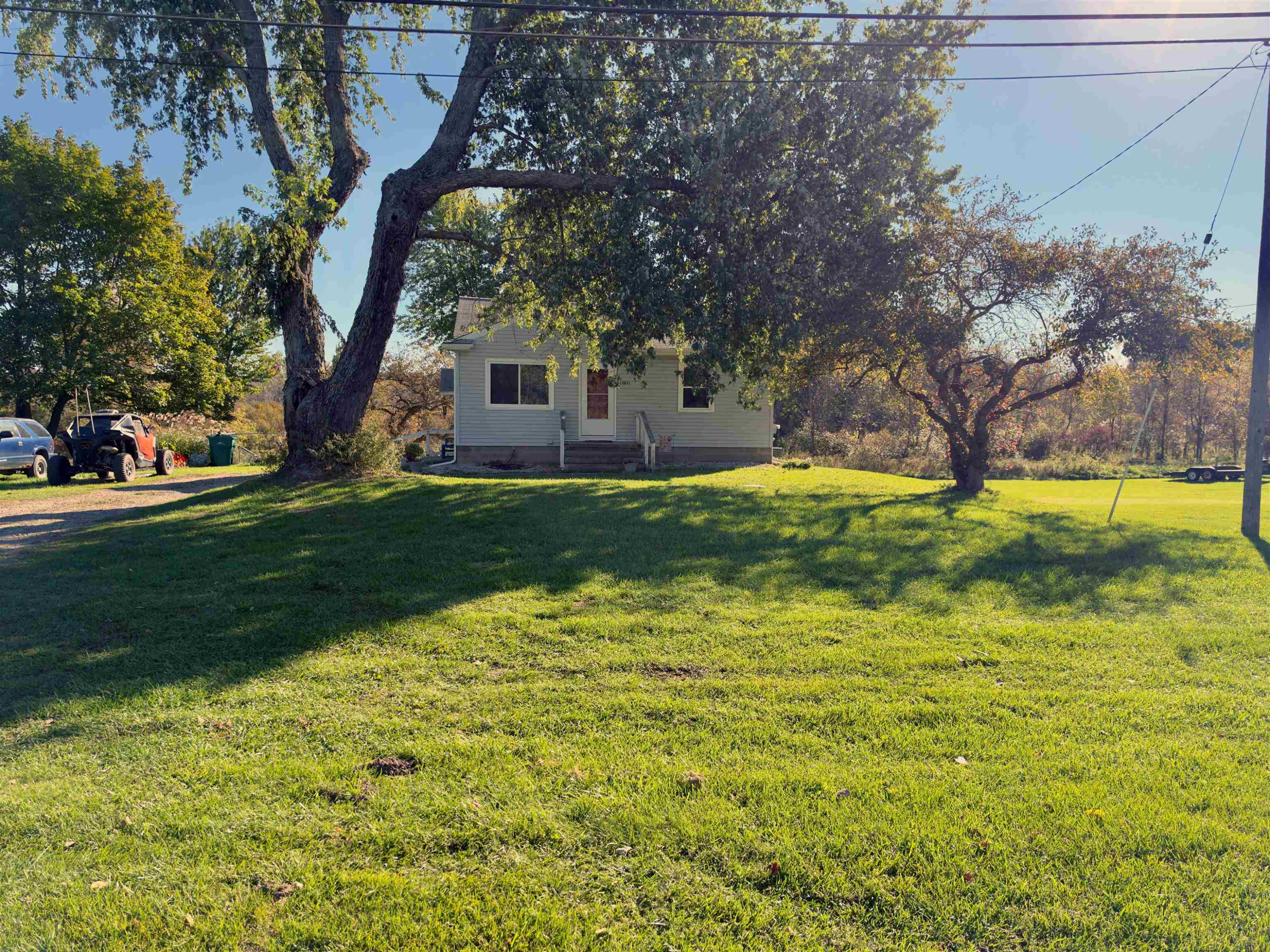
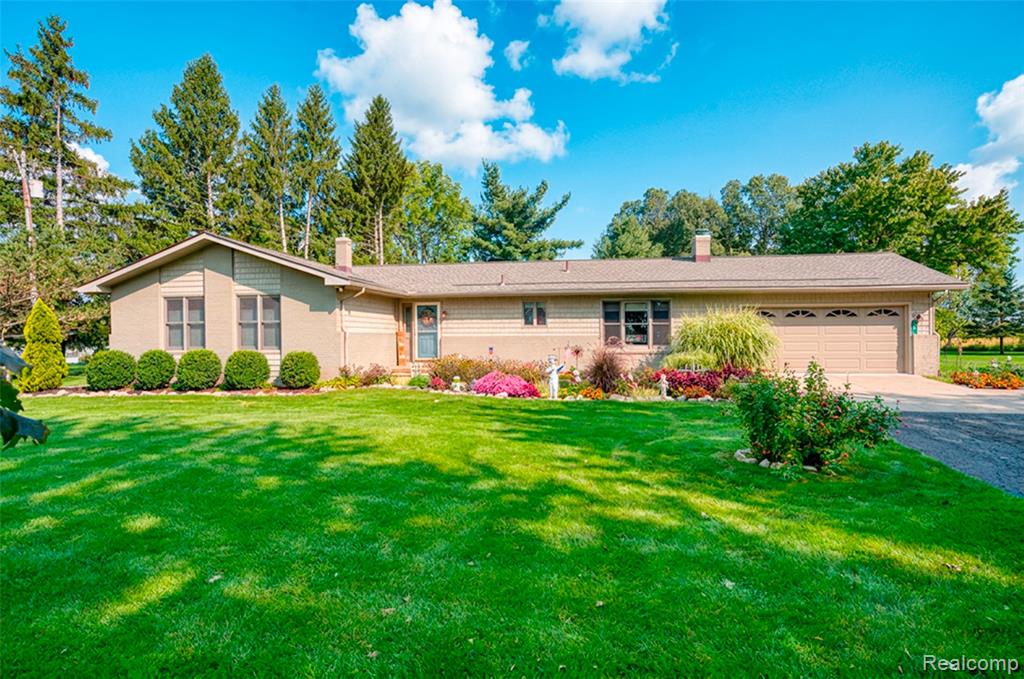
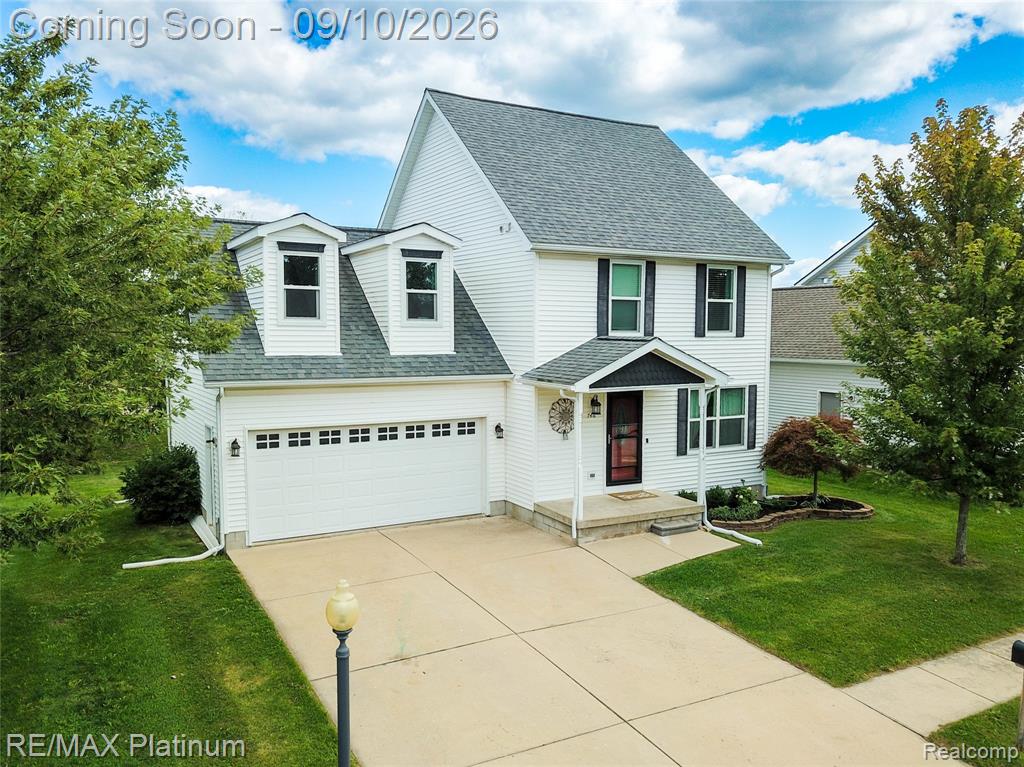
Recently Sold Homes in Williamston

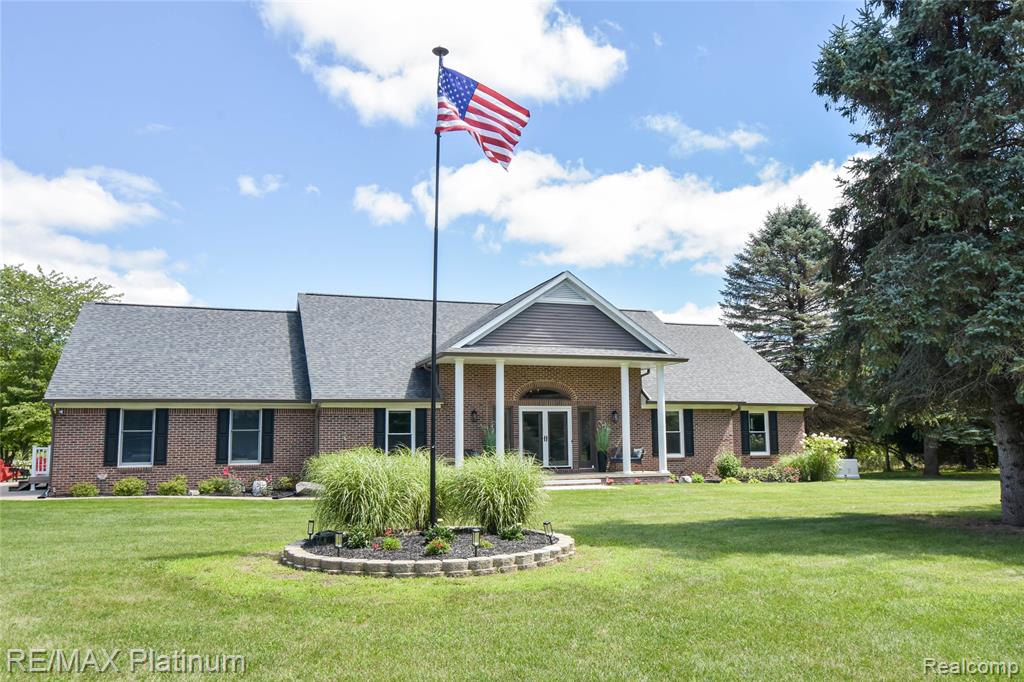
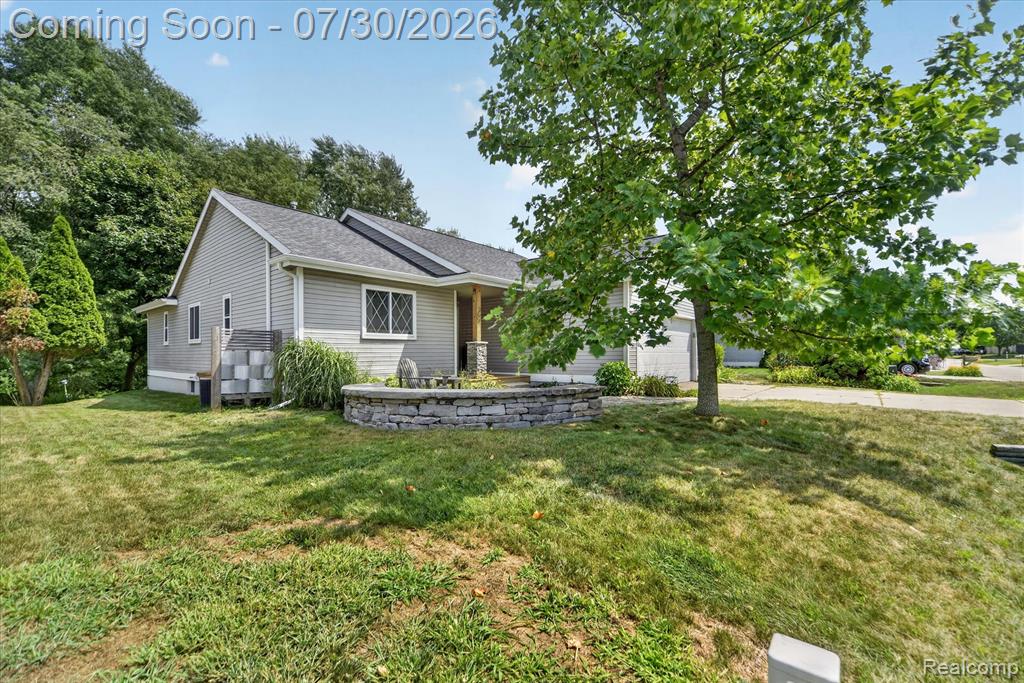
Williamston Commute & Transportation
The city sits two miles north of Interstate 96 — the primary east-west freeway between Detroit and Lansing — and is bisected by M-43 (Grand River Avenue), the historic Detroit-to-Lansing trail. Together these two corridors anchor the daily commute pattern for most households, whether the destination is the capital region, MSU, or the Detroit metro.
Interstate 96
I-96 runs about two miles south of the city and provides the primary east-west freeway connection between Detroit and Lansing. From a city on-ramp, Lansing is roughly nineteen minutes west and Detroit and DTW are about sixty-eight minutes east. The corridor connects to the broader interstate network for travel toward Grand Rapids, Flint, and Ann Arbor.
Lansing Metro Access
Lansing sits fifteen miles west and reaches in about nineteen minutes by I-96 or Grand River Avenue (M-43). The capital region carries state government employers, the Sparrow and McLaren hospital systems, professional services, and the daily-services base residents draw on for everything outside the immediate city footprint.
MSU / East Lansing Access
Michigan State University sits eleven miles west in East Lansing, reached in about twenty minutes by Grand River Avenue (M-43) or I-96. The university and surrounding East Lansing employment base drive a meaningful share of regional workforce demand. The commute is short enough that university-affiliated households commonly choose the small-city school district over an East Lansing neighborhood.
Regional Air Access
Capital Region International Airport in Lansing provides scheduled commercial service to connecting hubs about a half-hour drive west. For longer-haul flights, Detroit Metropolitan Airport (DTW) is about sixty-eight minutes east via I-96 and remains the default for international travel and most one-stop domestic routes.
Where Williamston Sits on the Map
Approximate drive times to other markets buyers commonly compare to Williamston. Times reflect typical non-rush conditions; commute hours add 15–30%.
Williamston Lifestyle, Entertainment & Recreation
Daily life is shaped by a compact downtown along Grand River Avenue and Putnam Street, the Red Cedar River corridor that passes just north of the center of town, the community-anchored school district, and the short drive to MSU, East Lansing, and Lansing for the wider range of restaurants, performing arts, and university events. The city carries a small-town footprint with full capital-region reach.
Williamston Community Schools & Family-Stage Identity
The local public district is a defining feature of the family-housing identity, drawing households into the city specifically for the school footprint. Buyers who could otherwise choose a larger suburb often opt in for the smaller scale, the community-anchored character, and proximity to MSU and the capital region without committing to an East Lansing or Okemos address.
Red Cedar River Corridor
The Red Cedar River passes just north of the center of town as a tributary of the Grand River, anchoring much of the city’s natural character. The corridor supports informal riverside use and ties into the broader regional river system that runs through the MSU campus eleven miles west. Lake Lansing — about 500 acres in nearby Haslett — is also within a short drive for larger water access.
Historic Walkable Downtown
Downtown sits along Putnam Street and Grand River Avenue, on the path of the nineteenth-century Detroit-to-Lansing trail and plank road that made the village a one-day overnight stop for travelers. The compact commercial core supports independent retail, services, and dining within a walkable footprint — a key reason buyers prioritize the downtown blocks or the older residential streets immediately around the core.
Williamston Theatre & Cultural Character
The local theatre operates as part of the city’s distinctive cultural identity, giving a small-city downtown a performing-arts anchor that most cities of this size do not carry. A working theatre in the downtown core shifts the evening-and-weekend pattern toward arts-and-dining use, complemented by the short drive to MSU and East Lansing for the broader cultural calendar.
Williamston Healthcare & Medical Facilities
Healthcare for the city runs primarily through the Lansing-area hospital systems, with Sparrow Hospital and McLaren Greater Lansing serving as the main inpatient anchors. Outpatient and primary-care services are available locally, with tertiary referral routed to academic systems in Lansing and Ann Arbor.
Sparrow Hospital — Lansing
Sparrow Hospital in Lansing serves as the primary regional inpatient anchor for the city, about a twenty-minute drive west via Grand River Avenue or I-96. As the long-standing academic medical center for the capital region, it provides inpatient, surgical, emergency, and a broad range of specialty services. For city households, it functions as the default hospital affiliation for both routine and higher-acuity care.
McLaren Greater Lansing
McLaren Greater Lansing provides additional comprehensive inpatient and specialty care in the capital region, giving city households a second major-system option within a similar drive time. Two competing hospital systems in Lansing supports broader provider choice and a wider range of specialty referral pathways — which matters for households managing ongoing conditions or planning around specific surgeons.
Local Outpatient & Primary Care
Outpatient clinics, urgent care, and primary-care practices serve residents within the immediate city footprint and along the Grand River Avenue corridor toward Okemos and East Lansing. Most routine adult and pediatric primary-care needs can be handled close to home, with the Lansing-system hospitals reserved for inpatient, surgical, and higher-acuity care.
Tertiary Referral — Major Academic Systems
For tertiary and quaternary care, city households can reach two major academic systems within a workable drive — Sparrow / University of Michigan Health in Lansing about twenty minutes west, and the broader University of Michigan academic medical center in Ann Arbor about forty-seven minutes southeast. Together they provide access to subspecialty care, complex surgical programs, and clinical-trial pathways.
New Listings This Week in Williamston
Open House
$479,900
New Listing
Open House
$224,900
New Listing
$279,900
Open House
$685,000
Williamston Real Estate FAQ
QWhat is the average home price in Williamston, Michigan?
The city’s average sold price is approximately $228,338 based on current MLS market data — the Ingham County premier school-district city. Pricing varies by area: broader residential blocks run $240K-$480K; with Red Cedar River-adjacent reaching $620K+.
QWhat school district is Williamston, Michigan in?
Williamston is served by Williamston Community Schools — operating Williamston High School. highly-rated district. District assignment is property-specific.
QIs Williamston, Michigan eligible for USDA loans?
Williamston is generally not USDA-eligible as a Lansing-East-Lansing metropolitan premier community. Eligible nearby communities include Webberville, Fowlerville, Dansville, Stockbridge, and Bath. Eligibility is property-specific.
QHow long do homes typically stay on the market in Williamston?
Well-priced Williamston homes in active neighborhoods can sell in two to four weeks; mispriced inventory sits much longer. The key is accurate pricing from day one — Edward’s 25+ years across Michigan markets prevents the price-cut cycle that costs sellers thousands in final net.
QShould I use a Realtor or sell my home myself (FSBO)?
For most Williamston sellers, working with a licensed Realtor produces a higher final net after accounting for commission. National Association of Realtors data consistently shows FSBO transactions close at lower prices with more contingency complications. Edward’s dual-license advantage means he can pre-approve qualified buyers directly — which speeds closings, reduces fall-through risk, and gives you better negotiating leverage.
QWhat’s the financing process for buying a home in Williamston?
Step 1 — Get pre-approved (Edward can pre-approve you directly as a licensed Mortgage Loan Originator, NMLS #138424). Step 2 — Shop within your approved price range. Step 3 — Submit an offer with pre-approval letter attached. Step 4 — Home inspection plus appraisal. Step 5 — Loan underwriting and conditions. Step 6 — Closing. Edward handles both Realtor and Mortgage sides for Williamston buyers — eliminating the coordination friction that delays most transactions.
QWhy choose Edward Kalavitz for Williamston real estate?
Edward is dual-licensed as both a Michigan Realtor (#6501386956) and Mortgage Loan Originator (NMLS #138424). One expert handles your pre-approval, home search, offer, AND financing — eliminating the back-and-forth that delays most transactions. 25+ years of experience across Michigan’s six MLS networks (Water Wonderland Association, Realcomp II Limited, Northern Great Lakes MLS, MiRealSource, MichRIC, and Greater Lansing Association of REALTORS) gives statewide listing reach unmatched by single-MLS competitors.
Buy or Sell in Williamston with Edward Kalavitz
Dual-licensed Realtor & Mortgage Loan Originator — one trusted professional for your entire transaction.
Available When You Need Answers
Real estate questions don’t wait for business hours — and neither does Edward Kalavitz.

