
Homes for Sale in Wayne, Michigan
Search all available listings, view market trends, and get expert guidance from Edward Kalavitz — your dual-licensed Wayne Realtor and Mortgage Loan Originator with 25+ years of experience.
Realtor License #6501386956 · Turnkey Realty LLC • NMLS #138424 · Private Mortgage Guarantee LLC
In This Guide
- Market Dashboard
- Today’s Rates in Wayne
- Michigan Mortgage Advisor
- Homes for Sale in Wayne
- About Wayne
- Neighborhoods & Subdivisions
- Property Types
- Schools & Education
- Cost of Living & Taxes
- Market Trends
- Mortgage Options in Wayne
- Buying in Wayne
- Selling in Wayne
- Edward’s Local Take
- Watch: Meet Edward
- Nearby Cities
- Google Reviews
- Wayne FAQ
- Available Hours
Wayne Real Estate Market Dashboard
Mortgage Rates in Wayne
Competitive pricing personalized to your scenario. Rates shown reflect 740+ credit, 30-year fixed terms unless noted.
Purchase Loans
Conventional Purchase
15-Year Conventional
FHA 30-Year Purchase
VA 30-Year Purchase
USDA Purchase & Refinance
USDA 30-Year Purchase
FHA Streamline Refi
Conventional Refinance
Jumbo & High-Balance
Jumbo / High-Balance
Not Sure Which Loan You Qualify For?
See the rates. Not sure which loan fits your situation? The Michigan Mortgage Advisor answers that in 60 seconds — analyzing your credit, down payment, and goals to recommend the best loan program and show you your real monthly payment on Wayne Michigan real estate.
- Instant loan-type recommendation — FHA, VA, USDA, or Conventional
- Live rate and APR for your exact scenario
- Michigan-specific closing cost estimate
- No credit check required to start
Best loan for you: FHA
3.5% down
~$1,830/mo principal + interest
Your actual recommendation is calculated live based on your inputs.
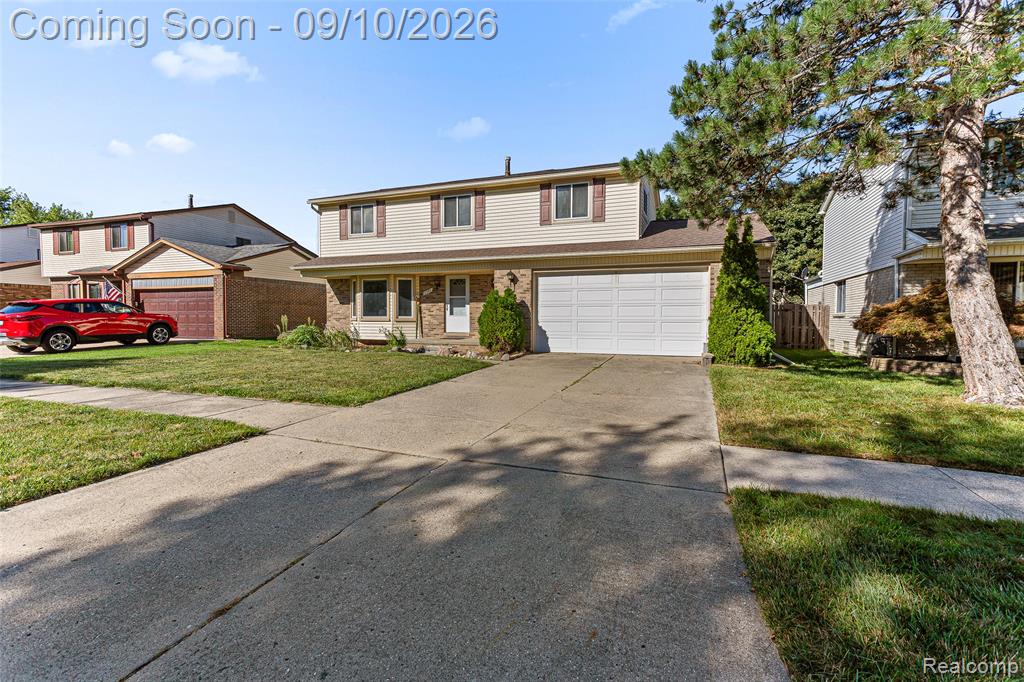
Featured Wayne Listings
Premium properties in the Wayne area, $500K and above.
 New Listing
Open House
$819,900
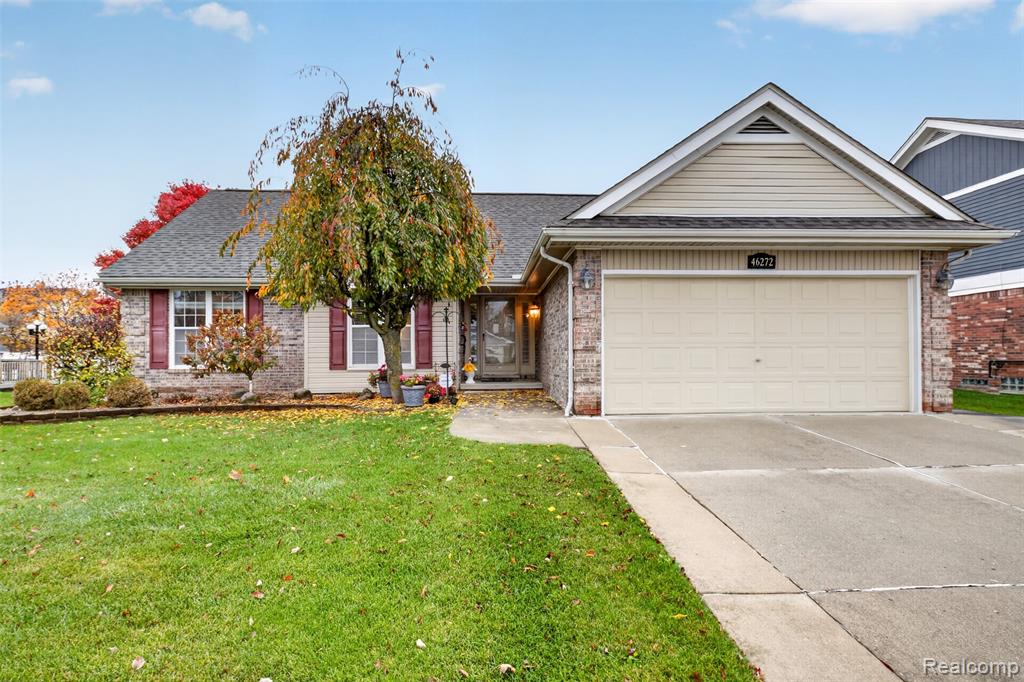 New Listing
$390,000
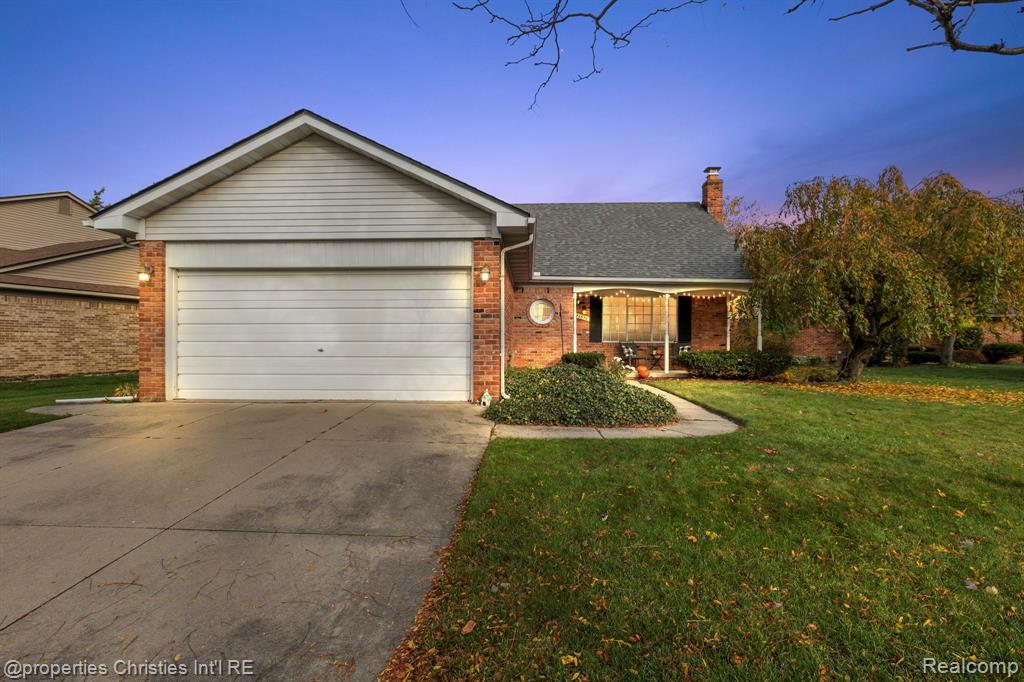 New Listing
$399,000
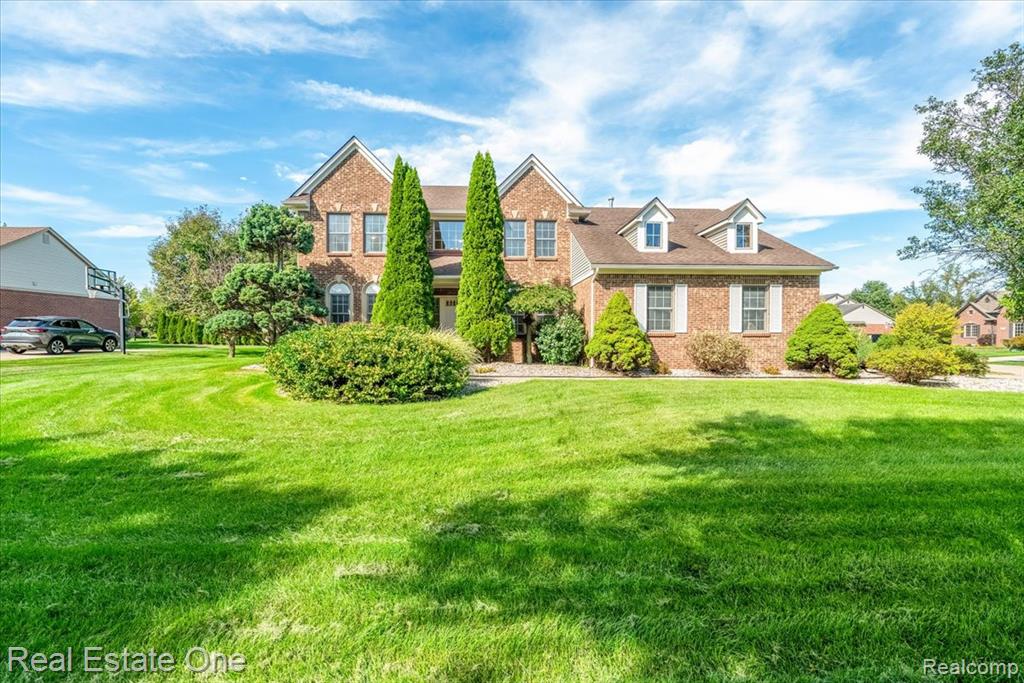
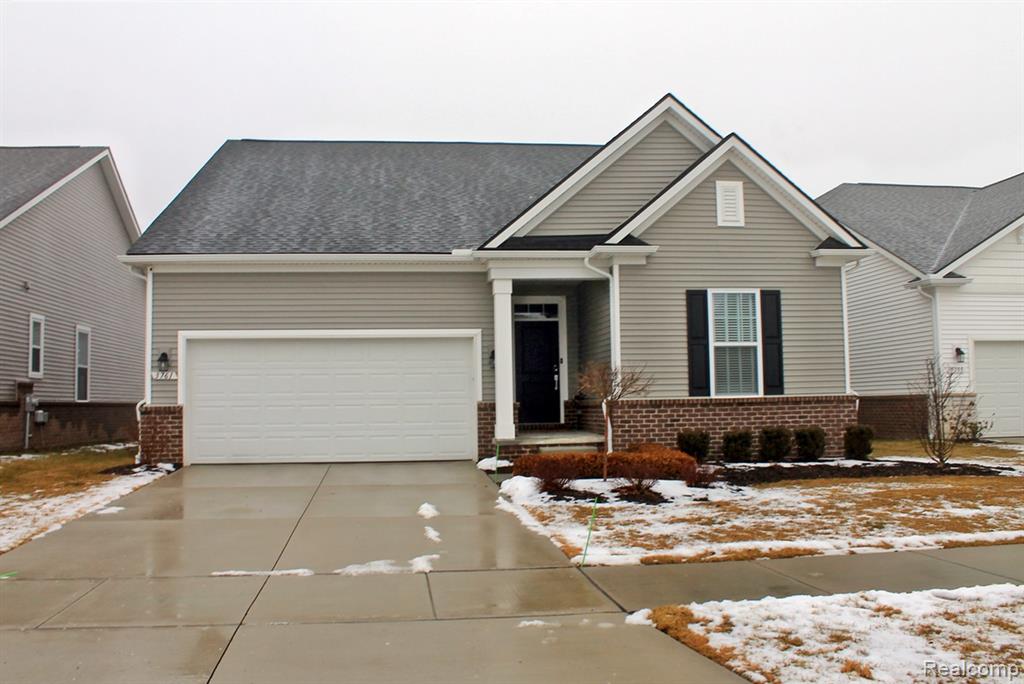
Browse Active Wayne Listings
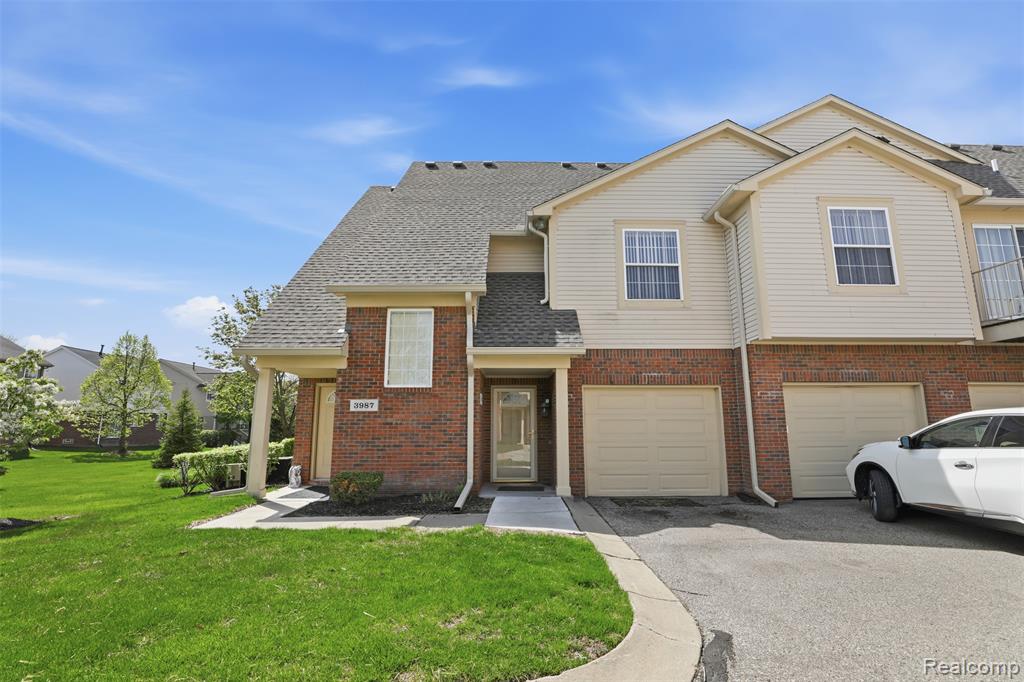
 New Listing
$227,900
 New Listing
$245,000
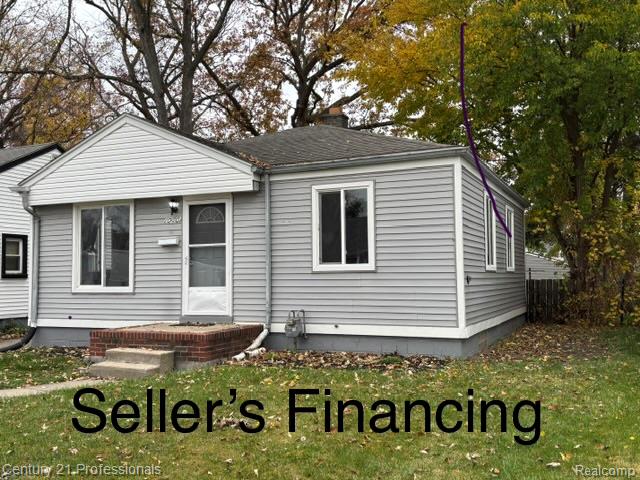
 New Listing
$129,900
 New Listing
$129,900
 New Listing
Open House
$819,900
New Listing
$390,000
Filtered ZIPs: 48184 · · · · · · 49525
About Wayne, Michigan
The city sits in Wayne County about 18 miles southwest of downtown Detroit, a western metro suburb of roughly 17,713 residents per the 2020 census. The Lower River Rouge bisects the community, which is bound on the north by Glenwood Road, the west by Hannan Road, the south by Van Born Road, and on the east by Merriman Road. Roughly 6 square miles of platted residential blocks, commercial frontage along Michigan Avenue, and industrial parcels carry the city’s footprint, with ZIP 48184 and area code 734 covering the full municipal boundary.
Settlement began in 1824 when George M. Johnson built a log cabin on 80 acres along the Sauk Trail, which had become known as the Chicago Road. The cabin operated as a roadside tavern for travelers and the area was called Johnson’s Tavern. In 1832 Ezra Derby bought the tavern and surrounding land, added a sawmill, store, blacksmith shop, and the first frame dwelling, and recorded a plat called Derby’s Corners in 1834.
The settlement was renamed in 1836 to honor Revolutionary War General Anthony Wayne. The Michigan Central Railroad arrived in 1838 and accelerated growth. The Chicago Road was paved with oak logs in 1850, then renamed Michigan Avenue in 1867. The community incorporated as a village in 1869 with roughly 800 residents and officially became a city in 1960.
The local economy carries a long industrial history. Ford Motor Company operates two plants in the city — Wayne Stamping Assembly and the Michigan Assembly Plant (formerly the Michigan Truck Plant), the latter built in 1957. Earlier industrial chapters included the Prouty and Glass Carriage Factory, which moved from Detroit in 1888 and briefly made the community the country’s largest carriage and sleigh producer.
The Detroit interurban streetcar reached the village in 1899 and ran until 1929. Ray Harroun, winner of the first Indianapolis 500, built the Harroun motor car here from 1916 to 1921. Today the economy combines Ford manufacturing, Detroit-metro commuter employment, Michigan Avenue commercial frontage, healthcare anchored by Beaumont Hospital, and the school-district workforce of Wayne-Westland Community Schools.
Neighborhood Guide · Wayne, MI
Wayne Neighborhoods
Residential blocks fill roughly 6 square miles bound by Glenwood Road, Hannan Road, Van Born Road, and Merriman Road. The Lower River Rouge cuts through the middle of the community. Inventory ranges from early-20th-century homes near the historic downtown core to mid-century subdivisions tied to the postwar Ford employment surge, plus newer residential pockets toward the freeway corridors.
Michigan Avenue Corridor (US-12)
Residential parcels and mixed-use frontage trace the historic Michigan Avenue line — the former Chicago Road that was paved with oak logs in 1850, became the Detroit and Saline Plank Road, and was renamed Michigan Avenue in 1867. The corridor carries some of the older housing stock in the area, with bungalows, frame two-stories, and converted commercial buildings sitting close to the road grid. Lots tend to be modest and many parcels were platted during the late-19th and early-20th-century village expansion.
Walkability: Walkable along the Michigan Avenue commercial frontage with sidewalks and short blocks; cross-traffic is busy and US-12 carries regional through-traffic.
Buyer fit: Common among buyers prioritizing historic Michigan Avenue character, walkability to small-business frontage, and proximity to the original village core. Also draws first-time buyers seeking the lower end of the price range and investors targeting older single-family rentals along the corridor.
Downtown Wayne
The historic village core where Ezra Derby platted Derby’s Corners in 1834 and where the 1869 incorporation footprint took shape. The 1960s urban-renewal program reshaped the street grid here — Michigan Avenue eastbound was routed one block south along Norris Street, while the original undivided route was kept for westbound traffic, and Main Street’s connections to Michigan Avenue were cut off. Housing nearby is a mix of older frame homes, small multi-family buildings, and apartments above commercial frontage.
Walkability: Walkable downtown grid with sidewalks throughout the historic core; village-scale block lengths and proximity to civic buildings make day-to-day errands reachable on foot.
Buyer fit: Common among buyers prioritizing walkable historic-downtown character, lower price points, and proximity to civic and commercial frontage. Also draws downsizers and remote-work professionals trading suburban acreage for closer-in walkability and historic streetscape.
Wayne-Westland Community Schools Area
Residential blocks feeding into the Wayne-Westland Community Schools attendance zone, including the area served by Wayne Memorial High School. Housing here leans toward mid-century single-family construction — ranches, capes, and split-levels — built during the postwar period when the Michigan Assembly Plant (built 1957) and surrounding industrial employment drove household formation. Lots are wider than the downtown core and many subdivisions were platted with sidewalks and curb-and-gutter.
Walkability: Sidewalks throughout most subdivisions; school walking routes are common but day-to-day errands typically require a vehicle.
Buyer fit: Common among families prioritizing Wayne-Westland Community Schools attendance, mid-century subdivision character, and quieter residential blocks. Also draws move-up buyers stepping out of starter homes downtown and households who want school walking routes paired with a manageable commute to Ford employment or the Detroit-metro freeway system.
I-94 / I-275 Corridor
Residential parcels near the I-94 and I-275 access points carry the freeway-commuter end of the market. I-94 runs east-west and links the area to downtown Detroit (about 32 minutes east) and Ann Arbor (about 35 minutes west). I-275 runs north-south and connects to I-696, I-96, and the broader Detroit-metro ring system. Housing here is a mix of postwar single-family, newer infill, and some condominium and townhouse parcels closer to the interchanges.
Walkability: Drive-oriented residential pattern; freeway access is the primary daily-use feature rather than walkability.
Buyer fit: Common among Detroit-metro commuters, Ann Arbor commuters, and households where one or both earners need fast freeway access. Also draws buyers commuting to Detroit Metropolitan Airport — about 12 minutes south via I-275 — and workers tied to the broader Wayne County industrial and logistics base.
Detroit Metropolitan Airport Area
Residential parcels on the southern edge of the city sit closest to Detroit Metropolitan Wayne County Airport, roughly 12 minutes south. Housing here is generally postwar single-family construction on modest lots, with some condominium and townhouse pockets. The airport-area workforce — airlines, ground services, logistics tenants, hotel and rental-car operations — pulls a steady stream of buyers and renters into the southern residential blocks.
Walkability: Drive-oriented; the primary daily-use feature is airport-and-freeway proximity rather than walkable amenities.
Buyer fit: Common among airport-employed buyers, airline crews seeking commutable bases, and logistics-sector workers. Also draws investors targeting short-hold and longer-hold rentals serving the airport workforce, plus first-time buyers attracted to the lower end of the price range and freeway access for Detroit-metro commutes.
Greater Wayne Residential
The broad stock of single-family residential blocks across the city — mid-century ranches, capes, and split-levels along with older frame homes near the Lower River Rouge and the original village footprint. Density averages roughly 2,922 inhabitants per square mile per the 2010 census, and roughly 7,434 households were recorded in the 2020 count. Lots are typically modest, and most subdivisions were platted with sidewalks and tree-lined blocks.
Walkability: Walkable to neighborhood-scale amenities — local parks, schools, and corner commercial frontage; longer trips require a vehicle.
Buyer fit: Common among year-round residents, multi-generation households, and buyers prioritizing affordable single-family entry points in Wayne County. Also draws move-up buyers staying within the school district, retirees aging in place, and rental-property investors targeting workforce tenants tied to Ford manufacturing, Beaumont Hospital, and Detroit-metro employers.
Property Types in Wayne
Single-Family Homes
The core inventory is single-family housing — a mix of older frame homes near the village core, mid-century ranches, capes, and split-levels in postwar subdivisions, and a smaller stock of newer infill. Most blocks were platted with sidewalks and modest lots, and the city’s roughly 7,824 housing units (2010 count) skew toward owner-occupied family homes. Pricing across broader residential blocks generally runs $160K to $340K, with select higher-end and renovated properties reaching the upper end of the range.
Condos & Townhouses
Condominium and townhouse inventory is concentrated near the freeway corridors and in pockets closer to the historic downtown grid. The format typically appeals to first-time buyers, downsizers, and rental investors who want lower-maintenance ownership inside the western Wayne County market. Pricing generally tracks below the single-family median, which makes condos a practical entry point for buyers prioritizing affordability and proximity to the Detroit-metro freeway ring.
New Construction
The new-construction market is modest — most residential blocks are fully built out from the postwar and mid-century eras. New activity is mostly infill on tear-down or replat parcels, plus the occasional townhouse cluster near the freeway interchanges. Buyers wanting larger new-construction selection typically look at neighboring communities — Canton, Van Buren Township, and Belleville — all within 15 minutes by road, where greenfield subdivisions are more active.
Investment Properties
Rental demand is anchored by the Ford manufacturing workforce, Beaumont Hospital staff, the Wayne-Westland school district employee base, and the airport-workforce pull from DTW. Entry points start in the lower $100Ks for single-family rentals near the historic core and in select condo inventory. Cash-flow math typically works because acquisition costs sit below much of the Detroit-metro market while rental demand remains consistent across the workforce-tenant base.
Waterfront Homes
The city itself is inland, though the Lower River Rouge bisects the community and carries some riverfront-adjacent parcels. True waterfront in the western Wayne County market is limited and most buyers prioritizing dedicated waterfront look at adjacent Belleville (Belleville Lake) about 18 minutes south or broader Wayne County lakefront pockets. Riverfront-adjacent inventory inside the city is rare and tends to trade closer to the broader single-family pricing band.
Luxury Homes
The higher-end of the market typically combines larger lots, updated interiors, and select pockets of newer infill or fully renovated historic frame homes. Buyers in this band often weigh the choice between staying inside the city versus stepping into neighboring Canton or Van Buren Township, where the upper price ceiling is meaningfully higher. Inside the city, the highest-end transactions usually involve renovated mid-century stock on larger parcels rather than purpose-built luxury inventory.
Wayne Schools & Education
Public education in the city is delivered by Wayne-Westland Community Schools, the district that serves both the city and neighboring Westland. The district operates Wayne Memorial High School along with feeder elementary and middle schools. Higher-education access reaches into the broader county through Wayne County Community College District and Schoolcraft College, plus university options at the Detroit-metro and Ann Arbor academic systems.
Wayne-Westland Community Schools
The public district serving the city and neighboring Westland, anchored by Wayne Memorial High School. The district covers a mix of older village-core neighborhoods, postwar subdivisions, and newer residential pockets across two municipalities, which means attendance-zone boundaries do not always align with city limits. Feeder elementary and middle schools support the high school, and the district carries a long history tied to the postwar growth period when the Michigan Assembly Plant (built 1957) drove household formation. District-issued attendance maps and the central enrollment office are the authoritative source for property-specific assignments, since boundaries periodically adjust.
Private & Parochial Options
The broader western Wayne County area carries a mix of private, parochial, and faith-based school options, with Catholic and Lutheran systems historically prominent across the Detroit-metro suburbs. Families pulling from the city often look at parochial options in adjacent communities such as Westland, Garden City, Inkster, and Dearborn Heights, all within roughly 10 to 17 minutes by road. Enrollment, tuition assistance, and busing arrangements vary by school — the practical step is shortlisting two or three options, scheduling tours, and confirming whether transportation from the city is offered before locking in a home purchase tied to a specific school choice.
Higher Education — Wayne County Community College / Schoolcraft College
Wayne County Community College District operates campuses across the county and offers transfer pathways into four-year institutions including the University of Michigan (about 35 minutes west in Ann Arbor) and Wayne State University in downtown Detroit (about 32 minutes east). Schoolcraft College sits to the north in Livonia and is reachable in roughly 15 to 20 minutes for residents. The proximity to both two-year and four-year systems gives households strong options for returning adult learners, dual-enrollment high-schoolers, and post-secondary career-and-technical training tied to the regional manufacturing, healthcare, and logistics base.
School district boundaries cross municipal lines and assignments shift periodically. Confirm exact district assignment for any specific property with Edward — he verifies district and enrollment options as part of the buyer consultation.
Cost of Living & Property Taxes in Wayne
One of the biggest advantages of Wayne Michigan real estate is affordability relative to comparable metro areas. Here’s what it costs to live in Wayne.
$178,256
Avg. Home Price
$50,000
Median Household Income
—
Property Tax Rate
Property Taxes
Wayne property taxes are calculated on a home’s taxable value — roughly 50% of market value in Michigan — multiplied by the local total millage rate (city or township + county + school + intermediate school district). Your exact tax depends on the specific property and jurisdiction within the Wayne area; Edward provides a precise estimate for any home you’re considering.
If the home is your primary residence, file the Michigan Principal Residence Exemption (PRE) — it removes 18 mills (the local school operating millage) from your tax bill. On an average-priced Wayne home, the PRE saves roughly $800 per year, typically 30–40% of total property taxes. The PRE is filed once at closing and stays in effect as long as you live in the home.
Cost Comparison
Michigan offers among the lowest costs of living in the Great Lakes region. Housing, property taxes, and — since the 2020 no-fault auto insurance reform — vehicle insurance all run below national averages, and Michigan has no local income tax in most jurisdictions. For buyers relocating from higher-cost metros, that combination means a given budget reaches noticeably further in Wayne than in comparable out-of-state markets.
Within Wayne, the real cost variable is neighborhood and property type rather than the city overall. Edward walks buyers through total monthly cost — mortgage, taxes, insurance, and utilities — for any specific Wayne home so the comparison is grounded in real numbers, not averages.
Wayne Market Trends
Understanding market trends helps buyers and sellers make better decisions in the Wayne Michigan real estate market. Here’s what the data shows.
Key Trends for 2026
Prices rising steadily
Wayne home values continue to appreciate, outpacing the national average.
Low inventory
Current supply is well below a balanced market (typically 4–6 months), meaning demand significantly exceeds available homes.
Fast-moving market
Well-priced homes in desirable neighborhoods sell in under 2 weeks. Buyers need pre-approval ready.
Spring/summer peak
Historically, Wayne sees the strongest buyer activity from April through August.
New construction increasing
Developers are adding inventory in suburban areas, but supply still lags demand.
Mortgage Options for Wayne Homebuyers
This is where Edward Kalavitz gives you an advantage no other Wayne Realtor can match. As a dual-licensed Realtor AND Mortgage Loan Originator, Edward handles both your home search and your financing — saving you time, money, and the hassle of coordinating between multiple professionals.
FHA Loans
№ 013.5% down with credit scores as low as 580. The most popular choice for Wayne first-time buyers. Lower down payment and more flexible qualification.
Conventional Loans
№ 023-20% down with credit scores of 620+. Competitive rates and no upfront mortgage insurance with 20% down. Best for buyers with strong credit.
VA Loans
№ 030% down for veterans and active military. No monthly PMI. The best loan program available — if you qualify, Edward will make sure you use it.
USDA Loans
№ 040% down — Wayne city limits are NOT USDA-eligible. USDA eligibility in Wayne County varies by exact address. Income limits apply (typically 115% of area median income).
MSHDA Down Payment Assistance
№ 05Up to $10,000 in down payment help from the Michigan State Housing Development Authority. Income limits apply — Edward checks eligibility at your consultation.
Payment Calculator
№ 06See exactly what a Wayne home costs per month. Try our free mortgage calculator or affordability calculator.
Buying a Home in Wayne — Step by Step
Whether you’re a first-time buyer or experienced homeowner, here’s how to buy in the Wayne Michigan real estate market with Edward Kalavitz handling both your Realtor and mortgage needs.
Get Pre-Approved (Free)
Call Edward at (616) 633-3692 or apply online. He’ll compare FHA, VA, USDA, and conventional options simultaneously and issue your pre-approval letter — typically within 24 hours. This tells sellers you’re a serious, qualified buyer.
Search Homes in Wayne
With pre-approval in hand, Edward helps you search Wayne neighborhoods that match your budget and lifestyle. As your Realtor, he can schedule showings, provide neighborhood insights, and run live payment scenarios as you tour homes.
Make an Offer & Negotiate
When you find the right home, Edward writes your offer with competitive terms informed by current Wayne market data. In a fast-moving Wayne market, having a Realtor who understands both the real estate and financing side gives you a strategic advantage.
Inspection, Appraisal & Closing
Edward manages the entire pipeline — home inspection coordination, appraisal ordering, title work, underwriting, and closing preparation. One point of contact through the entire process.
Welcome Home to Wayne!
On closing day, you sign final documents and receive your keys. Edward ensures every number is accurate and every fee is verified. You’re now a Wayne homeowner.
Edward’s Selling Advantage
Selling Your Home in Wayne
Selling a home in Wayne in 2026 rewards preparation. Accurate pricing from day one, professional presentation, and strategic timing are what separate listings that attract strong offers from those that linger on the market. Edward’s dual-license perspective — licensed Realtor and Mortgage Loan Originator — means he prices with both sides of the transaction in view, and can pre-qualify incoming buyers to keep your closing on track.
As your listing agent, Edward Kalavitz handles every step of the local selling process — comparative market analysis using current Wayne comps in your specific neighborhood, professional pricing strategy informed by 25+ years of Michigan real estate experience, MLS listing on the Edward’s statewide MLS network (Water Wonderland Association, Realcomp II Limited, Northern Great Lakes MLS, MiRealSource, MichRIC, and Greater Lansing Association of REALTORS), professional photography and digital marketing, open house scheduling, offer negotiation, and full coordination through inspection, appraisal, and closing.
Most Wayne sellers find that listing in April through August captures the strongest buyer activity — but well-priced homes sell year-round in this market.
Edward’s dual license as both a Michigan Realtor (#6501386956) and Mortgage Loan Originator (NMLS #138424) gives sellers a meaningful advantage that single-licensed agents simply can’t match.
When offers come in, Edward immediately vets each buyer’s financing strength with a lender’s eye — flagging weak pre-approvals before you accept an offer that might fall through, identifying buyers whose lock periods are about to expire, and reducing the risk of a deal collapsing in underwriting two weeks before close. In a fast market like Wayne, fewer fall-throughs means faster, more certain closings.
Before you list, run the numbers. Edward’s Seller Net Sheet Calculator shows your estimated proceeds after agent commissions, title fees, transfer taxes, and remaining mortgage payoff — so you know exactly what you’ll walk away with before you sign a listing agreement. For a free home valuation and listing strategy consultation, call Edward at (616) 633-3692.
Edward’s Local Take on Wayne

Twenty-five years working across this market, here’s how I help buyers think about the city. The community sits in a sweet spot — Detroit-metro freeway access, an airport 12 minutes south, Ann Arbor 35 minutes west, and the Wayne-Westland Community Schools district anchoring family life. Price points are accessible compared to many neighboring metro suburbs, the housing stock is honest mid-century-and-older inventory, and the area carries real continuity going back to the 1824 settlement. I work this market by priority — what matters most to you decides where we look first.
Edward Kalavitz
Watch: Meet Edward
Get to know Edward Kalavitz — learn how he helps Wayne Michigan families buy, sell, and finance homes with dual-licensed real estate and mortgage expertise.
Nearby Cities
Exploring the Wayne Michigan real estate market but open to nearby communities? These cities are all within a short drive and offer different price points and neighborhood character — explore each one’s listings below.
What Clients Say About Working with Edward
Edward is a dual-licensed Realtor & Mortgage Loan Originator. Reviews include clients from both his real estate and mortgage practices.
“Very Professional and Thorough”
“Edward is very professional and thorough. Had a great experience working with him. Everything went very smooth.”
“Great to Have 2 in 1”
“Ed was very responsive, knowledgeable, and made our first home buying experience great! He’s a relator and lender, which was great to have “2 in1”. We were able to look at houses and run number the same day. He was very flexible with times we needed to set up showings, as well as very informative and organized with paperwork! I appreciate his expertise greatly!”
“Works Hard 24/7”
“Ed is wonderful to work with! He is very thorough, experienced, and friendly. Ed works hard 24/7 to give you the best mortgage experience and is always able to help with whatever you need!”
“Above and Beyond”
“Edward is a great relator and loan officer. He helped my fiance and I buy our first home. We called him back when we were ready to sell and buy our forever home. He again went above and beyond to make the process swift and easy. I recommend him to my friends and family who are looking into buying, selling or refinacing their home!”
“Closing Came Sooner Than Anticipated”
“Edward was up front, professional and most helpful in first determining if I was a good candidate for a mortgage re-Fi. My case was Probably not the easiest , however, he made my “homework” manageable. The closing came sooner than anticipated , thanks to his perseverance, knowledge and professionalism .”
“Not Only My Realtor — My Friend”
“Edward was an excellent help in the most stressful time of my life. My son passed away in 2018 and I had to sell his home. Edward alleviated some stress by being patient, organized and communicated thoroughly the entire process. He not only was my realtor/loan officer but he was my friend! Highly recommend him for any home needs!”
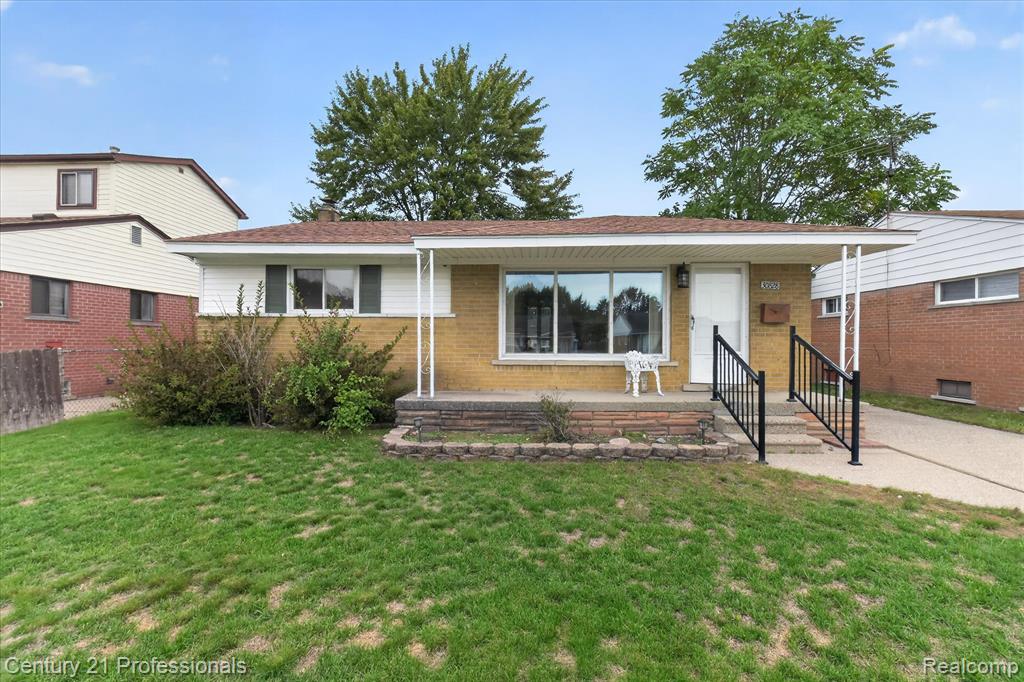
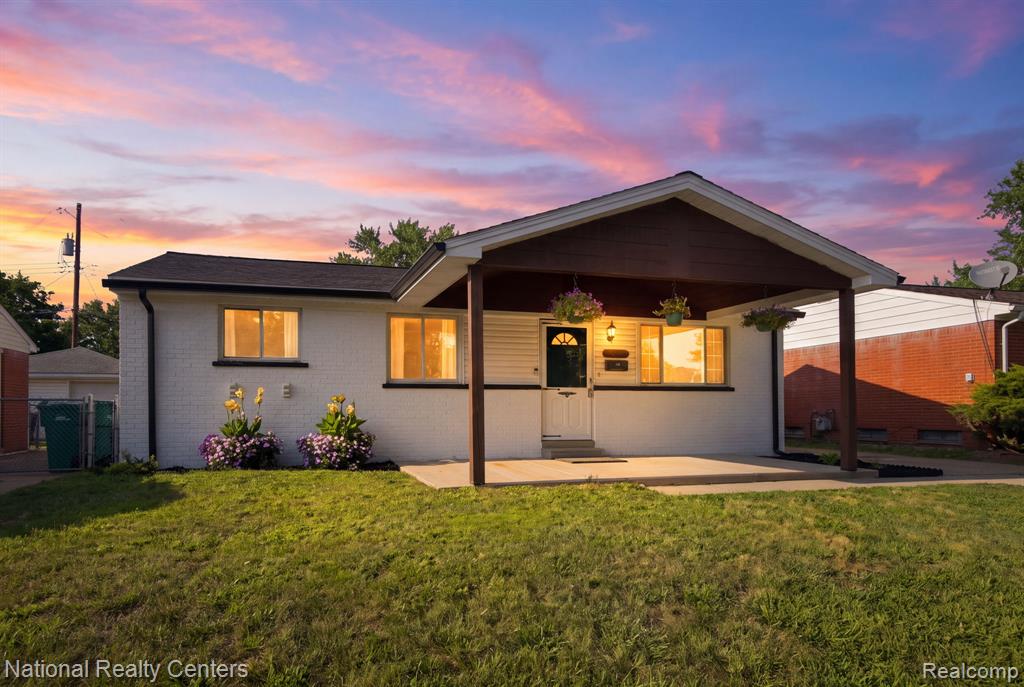
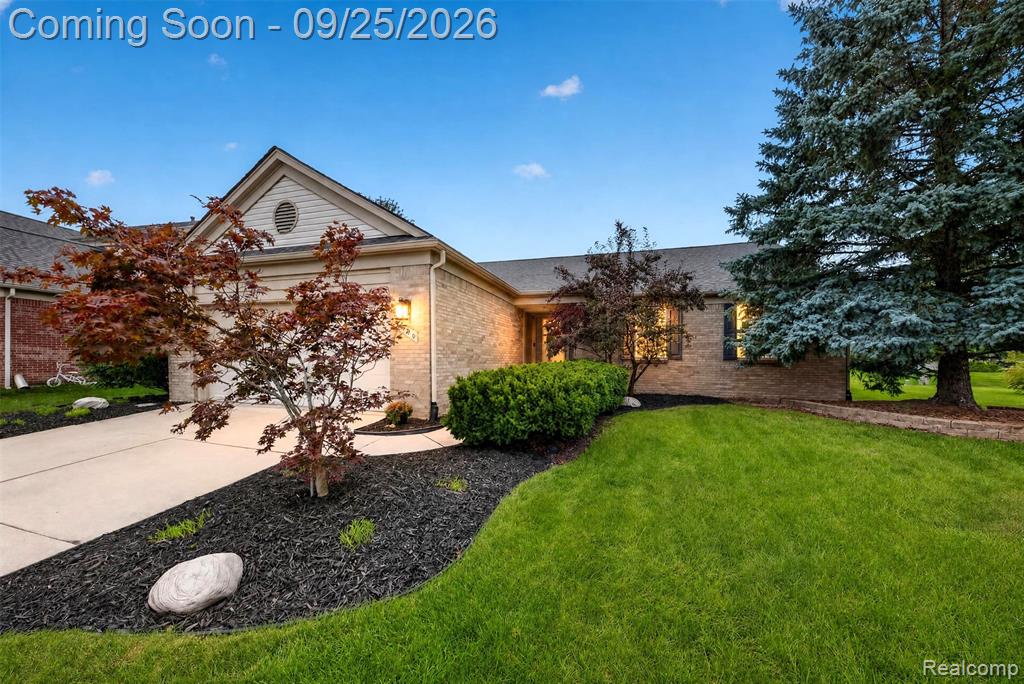
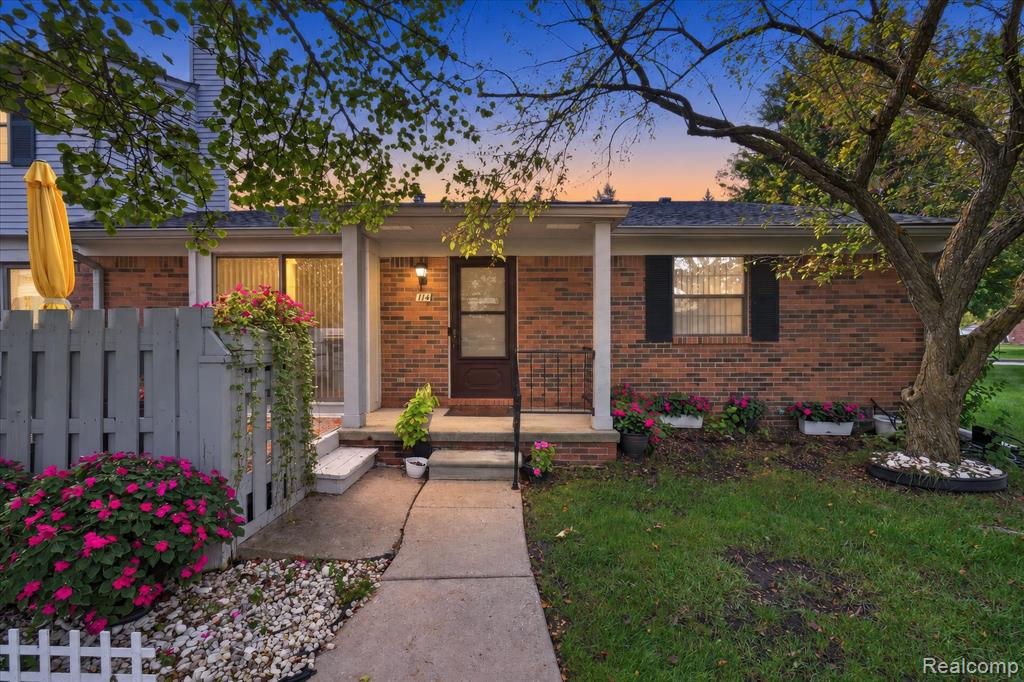
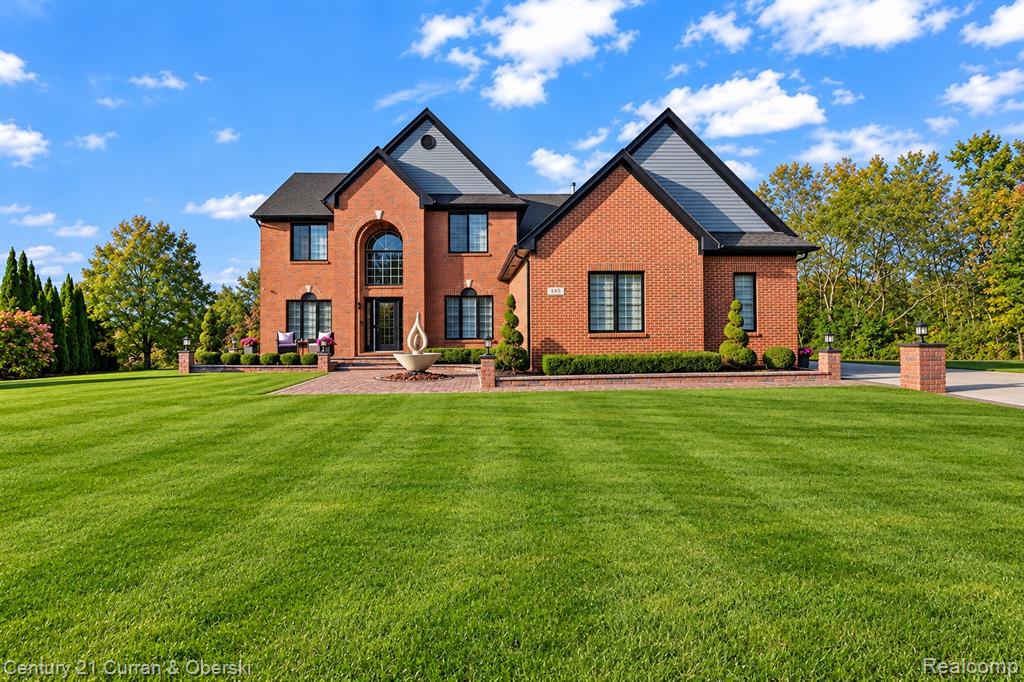
Recently Sold Homes in Wayne
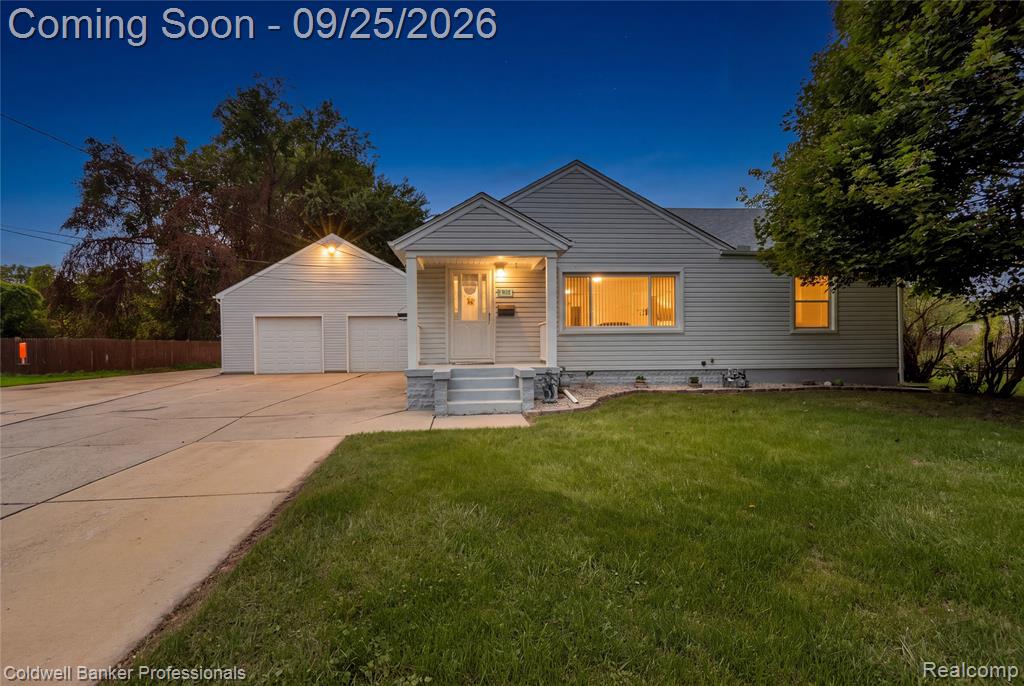
Wayne Commute & Transportation
The city sits inside the southwestern Detroit-metro freeway grid, with Michigan Avenue (US-12) running east-west through the historic village core and Interstates 94 and 275 carrying regional traffic just outside the municipal boundary. The combination gives the area strong access to downtown Detroit, Ann Arbor, the airport, and the broader Wayne County employment base.
Michigan Avenue (US-12)
Michigan Avenue carries the historic east-west corridor through the village core — the same route that started as the Sauk Trail, became the Chicago Road, was paved with oak logs in 1850 as the Detroit and Saline Plank Road, and was renamed Michigan Avenue in 1867. Today US-12 connects the area east into Dearborn and downtown Detroit and west toward Ypsilanti and the Ann Arbor corridor, with commercial frontage along the route.
Interstate 94
I-94 is the primary east-west freeway and provides the fastest route to downtown Detroit (about 32 minutes east) and to Ann Arbor (about 35 minutes west). The freeway is a key corridor for both daily commuters and through-traffic between the airport, downtown Detroit, and the I-275 ring system, and is the route most residents take for regional medical, employment, and university access.
Interstate 275 Access
I-275 runs north-south just east of the city and anchors the north-south Detroit-metro ring. The freeway connects upward to I-96 toward Lansing and Grand Rapids and to I-696 across the northern suburbs, and downward to I-75 near the airport. Access points near the city make I-275 the practical route for north-bound commuters reaching Livonia, Plymouth, Novi, and the broader Oakland County employment base.
Detroit Metropolitan Airport Access
Detroit Metropolitan Wayne County Airport (DTW) sits about 12 minutes south via I-275 and is one of the largest international hubs in the Midwest. The proximity is a defining feature for the local market — airline employees, logistics-sector workers, and frequent business travelers all gain meaningful daily-life value from the short drive. The drive to Detroit is about 32 minutes and Chicago is reachable in roughly 4 hours by road or by Amtrak service from the broader corridor.
Where Wayne Sits on the Map
Approximate drive times to other markets buyers commonly compare to Wayne. Times reflect typical non-rush conditions; commute hours add 15–30%.
Wayne Lifestyle, Entertainment & Recreation
Day-to-day life carries a mix of historic Michigan Avenue commercial frontage, mid-century residential blocks tied to the postwar Ford employment surge, and the civic identity of a small Detroit-metro suburb that has been a continuous community since the 1824 settlement and the 1869 village incorporation. The Lower River Rouge runs through the middle of the community, and the broader western Wayne County area carries park, school, and small-business amenities within a short drive.
Historic Michigan Avenue Corridor
The Michigan Avenue corridor traces the original Chicago Road that brought the first settler, George M. Johnson, to the area in 1824. The street has been the spine of the community for nearly two centuries — paved with oak logs in 1850, renamed in 1867, and carrying commercial frontage and small-business activity through the 1960s urban-renewal period and into the present. The corridor remains the most recognizable civic feature of the area.
Wayne-Westland Community Schools Identity
Wayne-Westland Community Schools is one of the strongest community-identity anchors, especially during the school year. Wayne Memorial High School athletics, district events, and school-year community programming pull households across both the city and Westland into a shared rhythm. For many families the district is the single largest factor in choosing where inside the western Wayne County market to buy.
Beaumont Hospital Anchor
Beaumont Hospital Wayne anchors the medical-and-healthcare identity for residents and a significant share of the surrounding workforce. The hospital is a major employer, a referral hub for regional specialty care, and the closest emergency facility for the area. Healthcare-sector employees — nurses, technicians, administrators, allied-health professionals — form a recognizable portion of the local housing demand.
Detroit Metro Suburb Character
The area carries a recognizable western-Wayne-County suburb character — modest lots, mid-century housing stock, walkable downtown grid, and easy access to the Detroit-metro freeway ring. Day-to-day routines lean on the historic Michigan Avenue corridor, the Wayne-Westland school system, Beaumont Hospital, the Ford employment base, and short drives to airport, downtown Detroit, and Ann Arbor amenities.
Wayne Healthcare & Medical Facilities
Healthcare access is anchored locally by Beaumont Hospital Wayne, with major academic and tertiary systems reachable within roughly 25 to 40 minutes. The Detroit-metro region carries several of the state’s largest health systems, which means the city sits inside a strong referral and specialty network rather than relying on a single facility.
Beaumont Hospital – Wayne
A regional full-service hospital operating inside the city footprint and part of the broader Beaumont Health system. The facility provides emergency, inpatient, surgical, and outpatient services and serves as the closest hospital for most residents and for nearby communities including Westland, Garden City, and Inkster. Beaumont’s network reach gives patients pathways into specialty and tertiary care across the southeastern Michigan region.
Trinity Health St. Joseph Mercy Ann Arbor
St. Joseph Mercy Ann Arbor sits about 25 to 35 minutes west and serves as one of the major academic medical centers serving the western Wayne County corridor. The hospital offers tertiary specialty care, advanced cardiac and oncology programs, and Level II trauma services, and is a common second-opinion and complex-case referral destination for the broader area.
Local Outpatient & Primary Care
The area is served by outpatient clinics, urgent-care centers, primary-care practices, and specialty offices both within the city and in adjacent Westland, Canton, and Dearborn Heights. The density of practices across the western Wayne County corridor makes routine primary care, pediatrics, and common specialty appointments reachable within a 10-to-15-minute drive for most residents.
Tertiary Referral — Major Academic Systems
For complex and quaternary care the area is inside the referral network of Beaumont Health, Henry Ford Health (Detroit campus about 32 minutes east), and the University of Michigan academic medical center in Ann Arbor (about 35 minutes west). The combination gives residents three large academic systems within roughly half an hour, which is a stronger tertiary footprint than most non-metro Michigan markets carry.
New Listings This Week in Wayne
New Listing
$227,900
New Listing
$245,000
New Listing
$129,900
Wayne Real Estate FAQ
QWhat is the average home price in Wayne, Michigan?
The city’s average sold price is approximately $178,256 based on current MLS market data — the Wayne County Detroit-metro city. Pricing varies by area: broader residential blocks run $160K-$340K.
QWhat school district is Wayne, Michigan in?
Wayne is served by Wayne-Westland Community Schools — operating Wayne Memorial High School. District assignment is property-specific.
QIs Wayne, Michigan eligible for USDA loans?
Wayne is not USDA-eligible as a Detroit metro suburb fully within the urbanized area. Eligibility is property-specific and Edward can verify any specific address.
QHow long do homes typically stay on the market in Wayne?
Well-priced Wayne homes in active neighborhoods can sell in two to four weeks; mispriced inventory sits much longer. The key is accurate pricing from day one — Edward’s 25+ years across Michigan markets prevents the price-cut cycle that costs sellers thousands in final net.
QShould I use a Realtor or sell my home myself (FSBO)?
For most Wayne sellers, working with a licensed Realtor produces a higher final net after accounting for commission. National Association of Realtors data consistently shows FSBO transactions close at lower prices with more contingency complications. Edward’s dual-license advantage means he can pre-approve qualified buyers directly — which speeds closings, reduces fall-through risk, and gives you better negotiating leverage.
QWhat’s the financing process for buying a home in Wayne?
Step 1 — Get pre-approved (Edward can pre-approve you directly as a licensed Mortgage Loan Originator, NMLS #138424). Step 2 — Shop within your approved price range. Step 3 — Submit an offer with pre-approval letter attached. Step 4 — Home inspection plus appraisal. Step 5 — Loan underwriting and conditions. Step 6 — Closing. Edward handles both Realtor and Mortgage sides for Wayne buyers — eliminating the coordination friction that delays most transactions.
QWhy choose Edward Kalavitz for Wayne real estate?
Edward is dual-licensed as both a Michigan Realtor (#6501386956) and Mortgage Loan Originator (NMLS #138424). One expert handles your pre-approval, home search, offer, AND financing — eliminating the back-and-forth that delays most transactions. 25+ years of experience across Michigan’s six MLS networks (Water Wonderland Association, Realcomp II Limited, Northern Great Lakes MLS, MiRealSource, MichRIC, and Greater Lansing Association of REALTORS) gives statewide listing reach unmatched by single-MLS competitors.
Buy or Sell in Wayne with Edward Kalavitz
Dual-licensed Realtor & Mortgage Loan Originator — one trusted professional for your entire transaction.
Available When You Need Answers
Real estate questions don’t wait for business hours — and neither does Edward Kalavitz.

