
Homes for Sale in Sterling Heights, Michigan
Search all available listings, view market trends, and get expert guidance from Edward Kalavitz — your dual-licensed Sterling Heights Realtor and Mortgage Loan Originator with 25+ years of experience.
Realtor License #6501386956 · Turnkey Realty LLC • NMLS #138424 · Private Mortgage Guarantee LLC
In This Guide
- Market Dashboard
- Today’s Rates in Sterling Heights
- Michigan Mortgage Advisor
- Homes for Sale in Sterling Heights
- About Sterling Heights
- Neighborhoods & Subdivisions
- Property Types
- Schools & Education
- Cost of Living & Taxes
- Market Trends
- Mortgage Options in Sterling Heights
- Buying in Sterling Heights
- Selling in Sterling Heights
- Edward’s Local Take
- Watch: Meet Edward
- Nearby Cities
- Google Reviews
- Sterling Heights FAQ
- Available Hours
Sterling Heights Real Estate Market Dashboard
Mortgage Rates in Sterling Heights
Competitive pricing personalized to your scenario. Rates shown reflect 740+ credit, 30-year fixed terms unless noted.
Purchase Loans
Conventional Purchase
15-Year Conventional
FHA 30-Year Purchase
VA 30-Year Purchase
USDA Purchase & Refinance
USDA 30-Year Purchase
FHA Streamline Refi
Conventional Refinance
Jumbo & High-Balance
Jumbo / High-Balance
Not Sure Which Loan You Qualify For?
See the rates. Not sure which loan fits your situation? The Michigan Mortgage Advisor answers that in 60 seconds — analyzing your credit, down payment, and goals to recommend the best loan program and show you your real monthly payment on Sterling Heights Michigan real estate.
- Instant loan-type recommendation — FHA, VA, USDA, or Conventional
- Live rate and APR for your exact scenario
- Michigan-specific closing cost estimate
- No credit check required to start
Best loan for you: FHA
3.5% down
~$1,830/mo principal + interest
Your actual recommendation is calculated live based on your inputs.
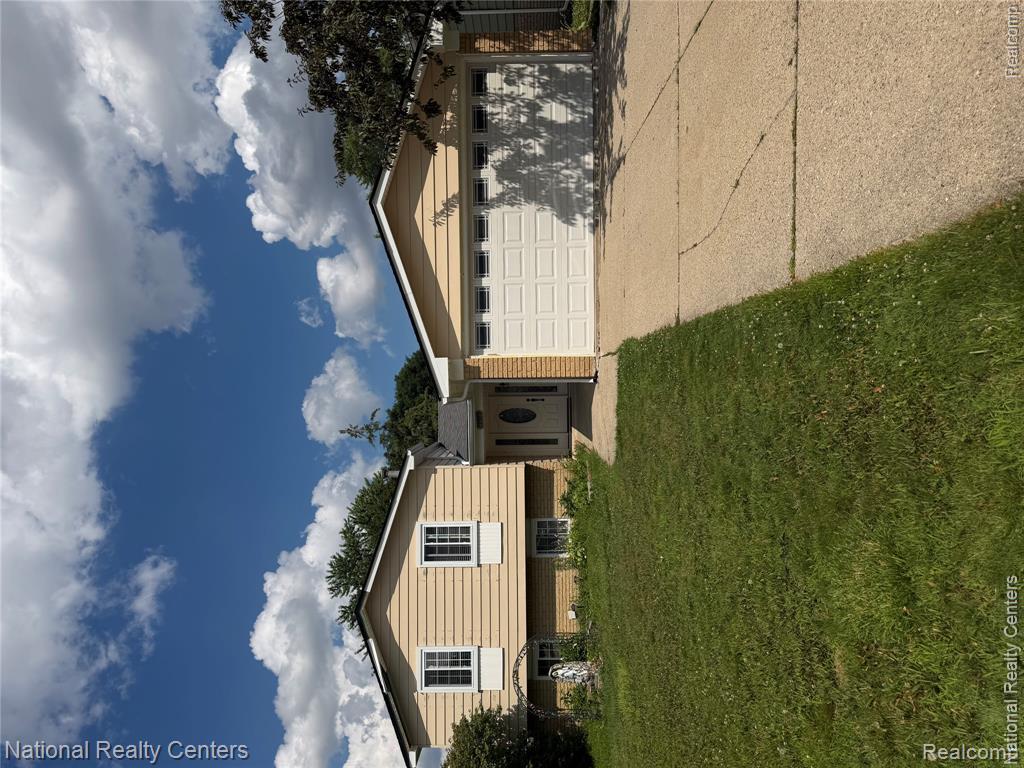
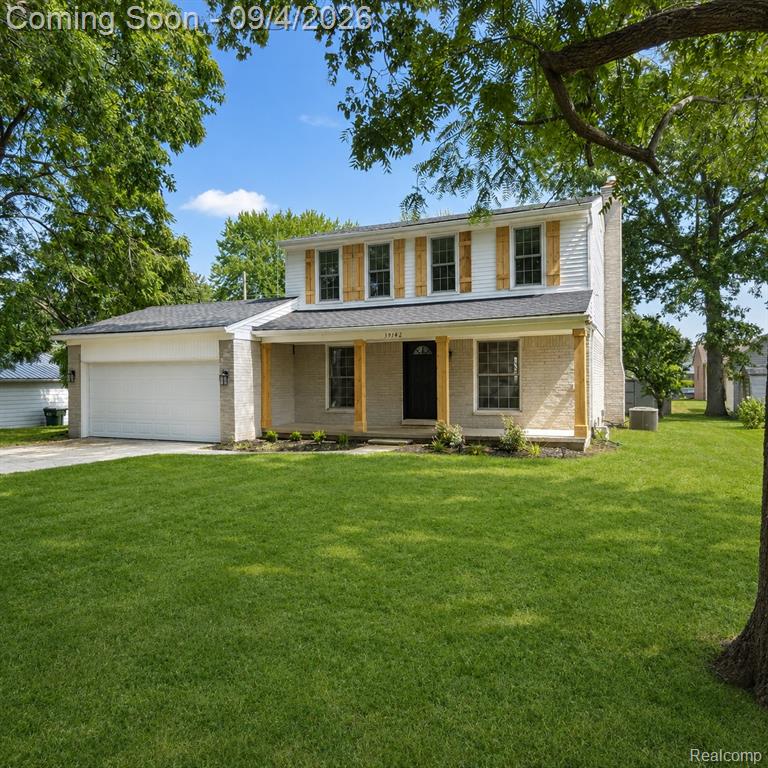
Featured Sterling Heights Listings
Premium properties in the Sterling Heights area, $500K and above.
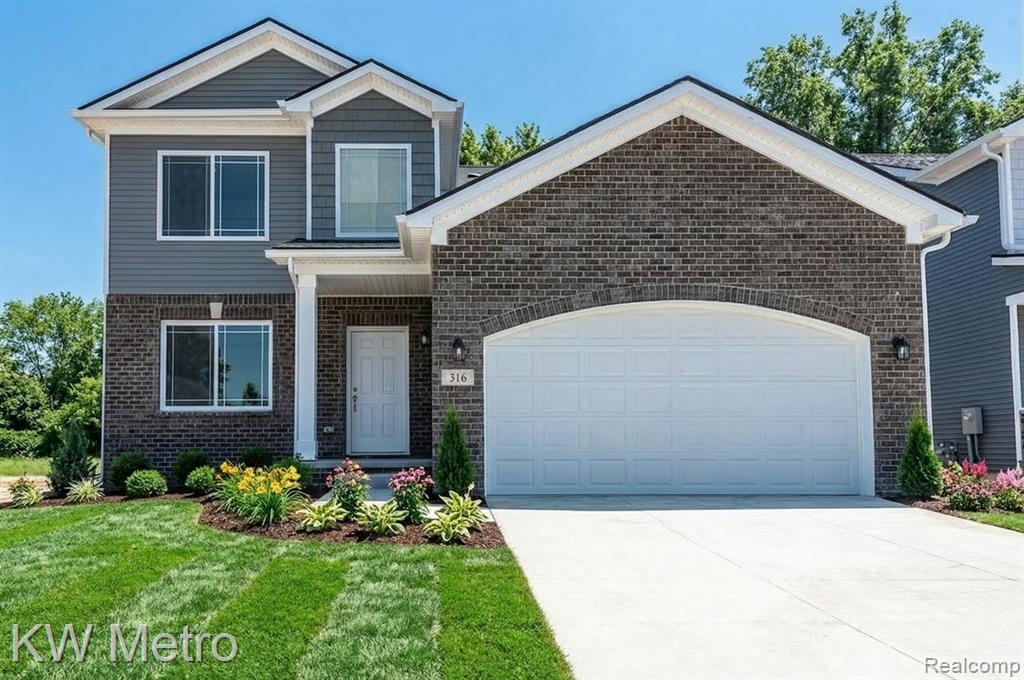
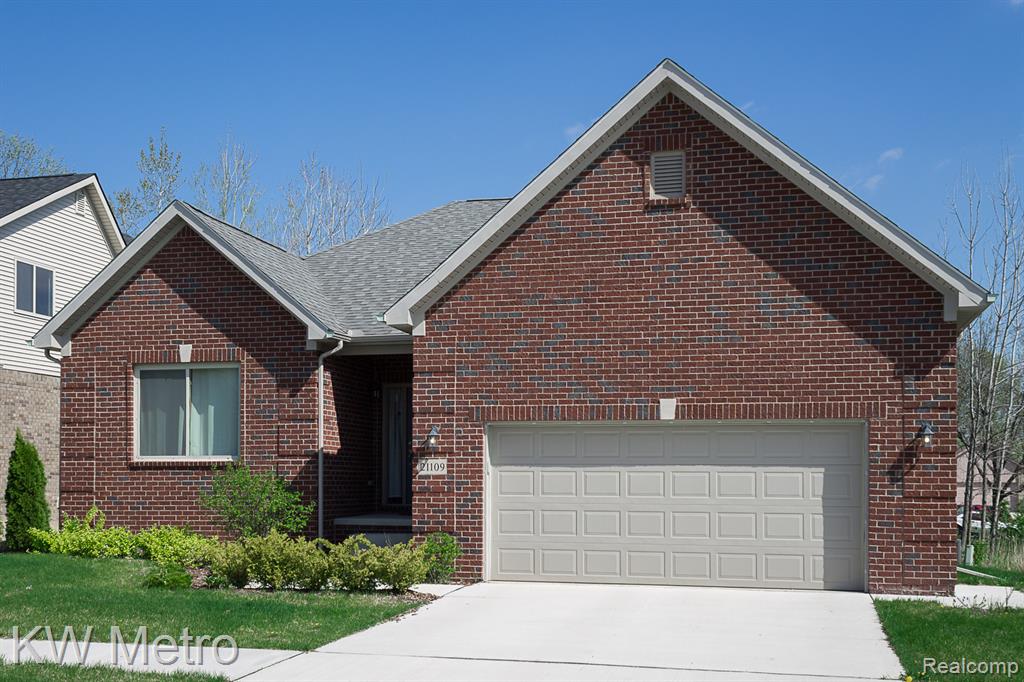
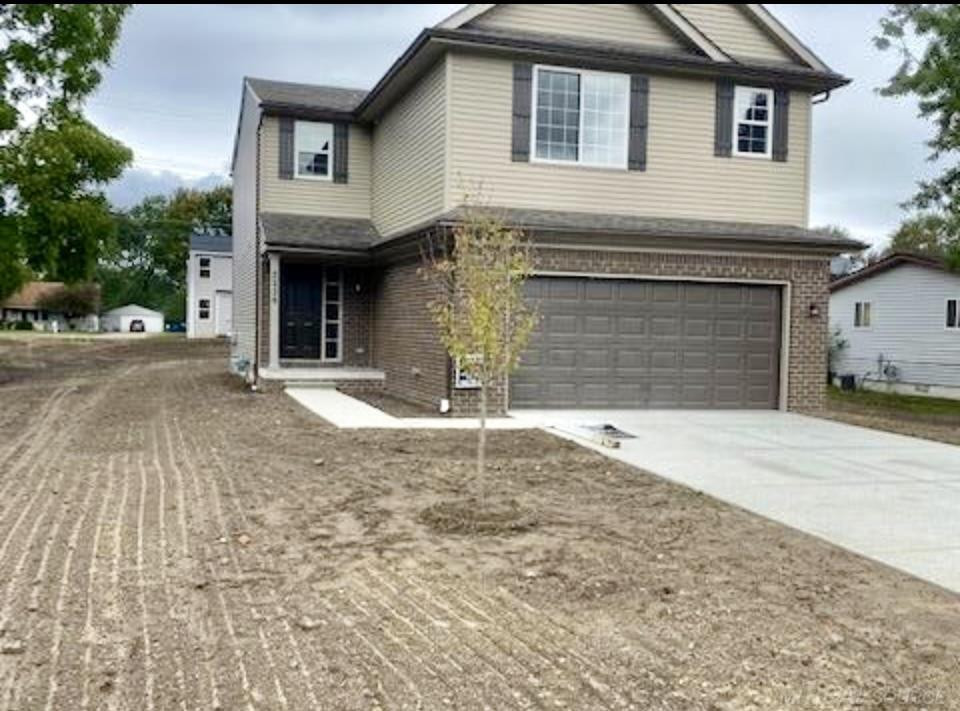
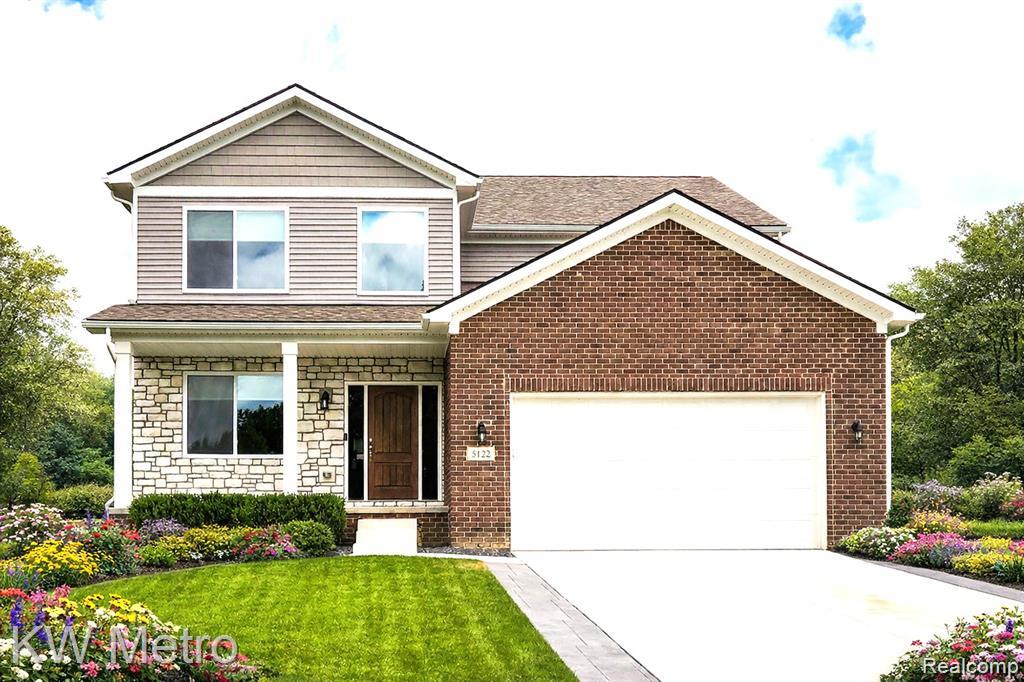
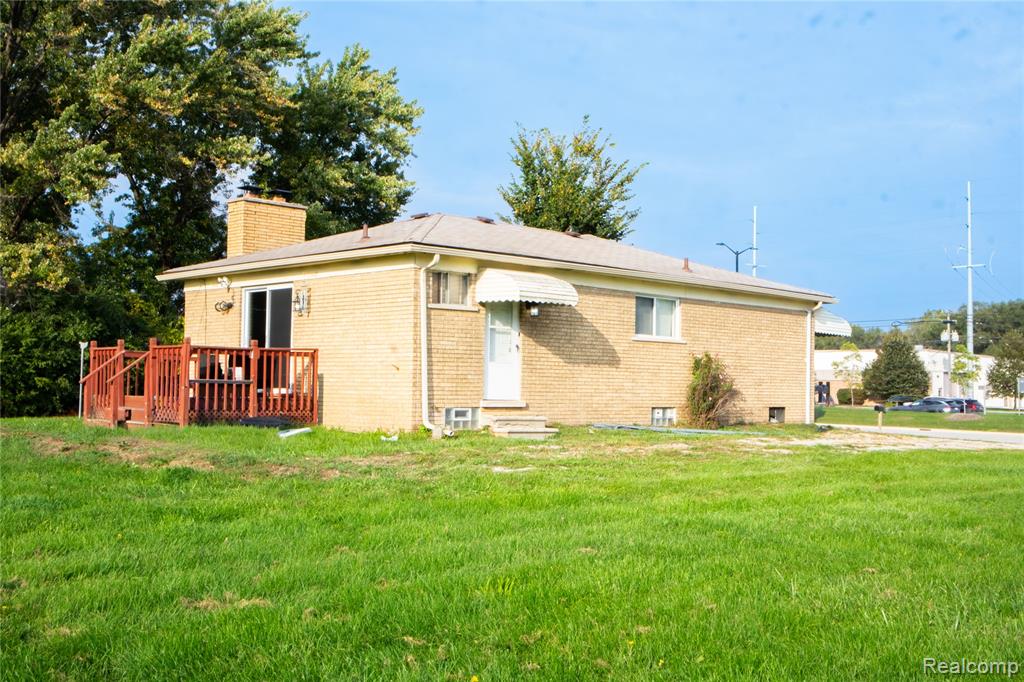
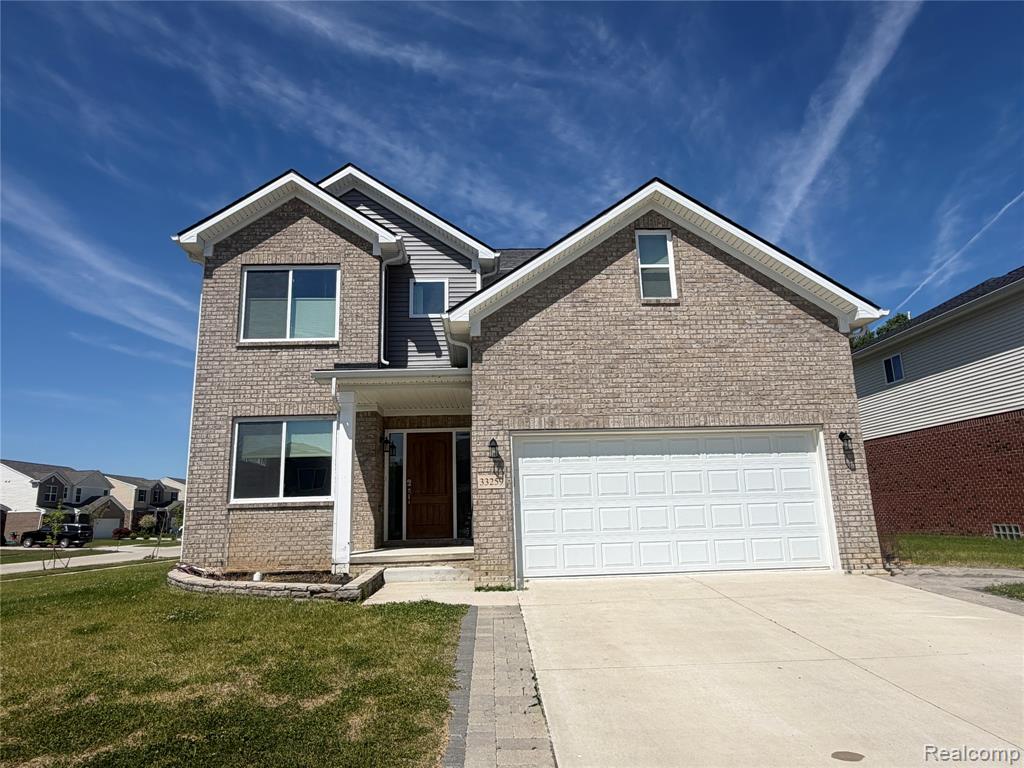
Browse Active Sterling Heights Listings
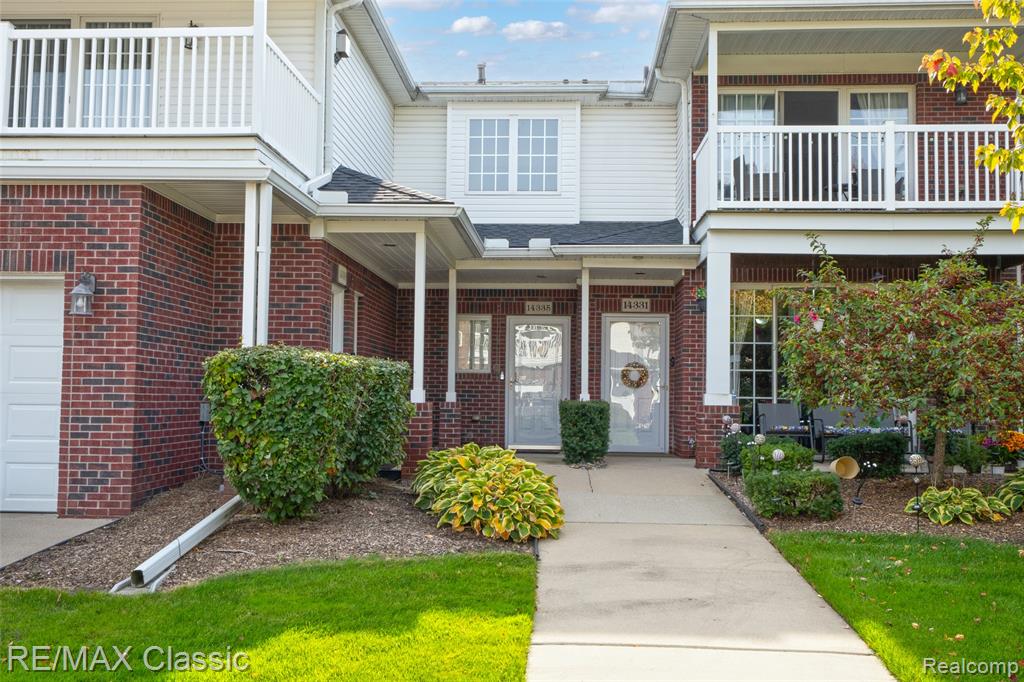
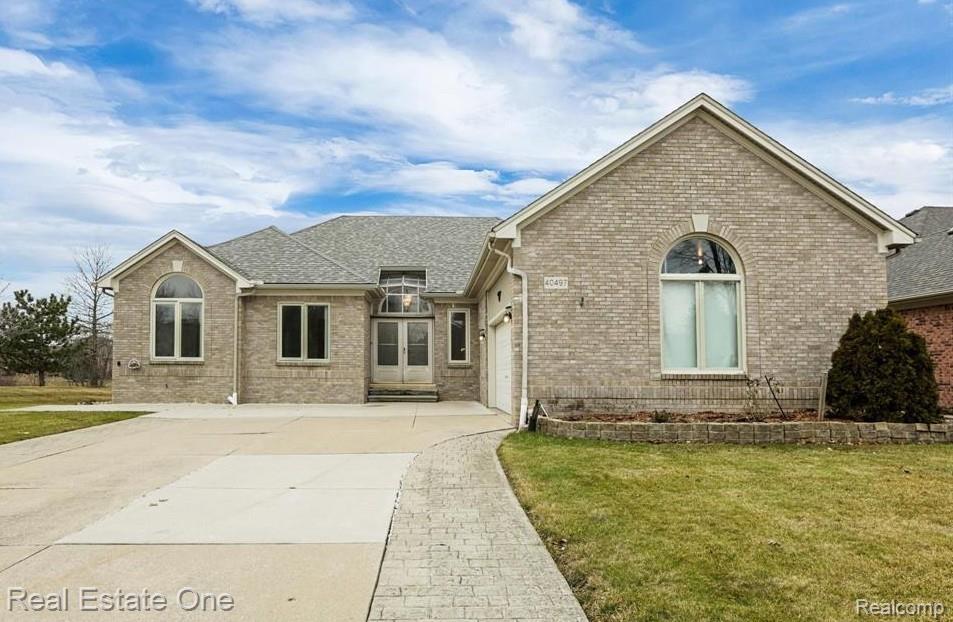 Open House
$490,000
 New Listing
$304,900
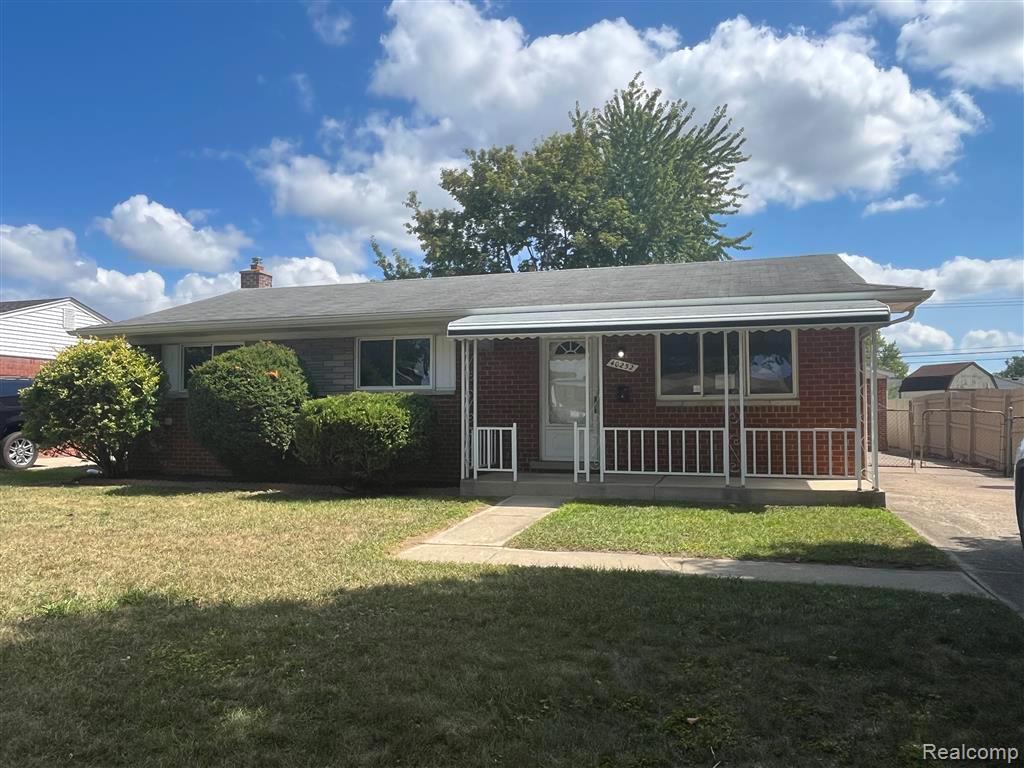
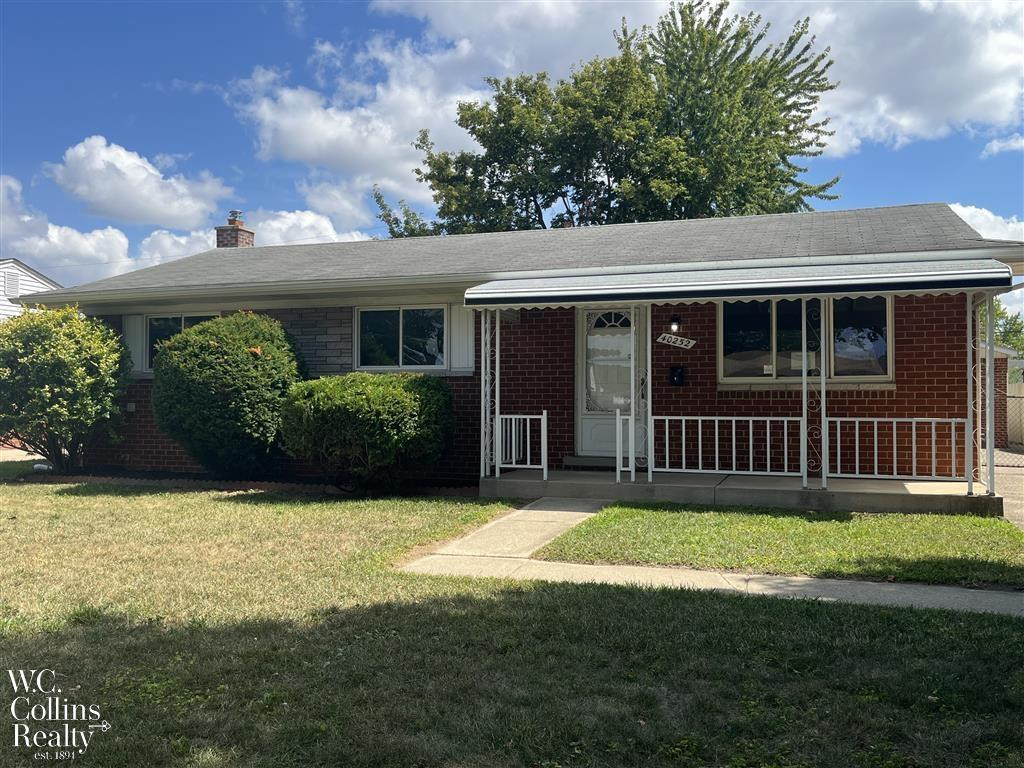
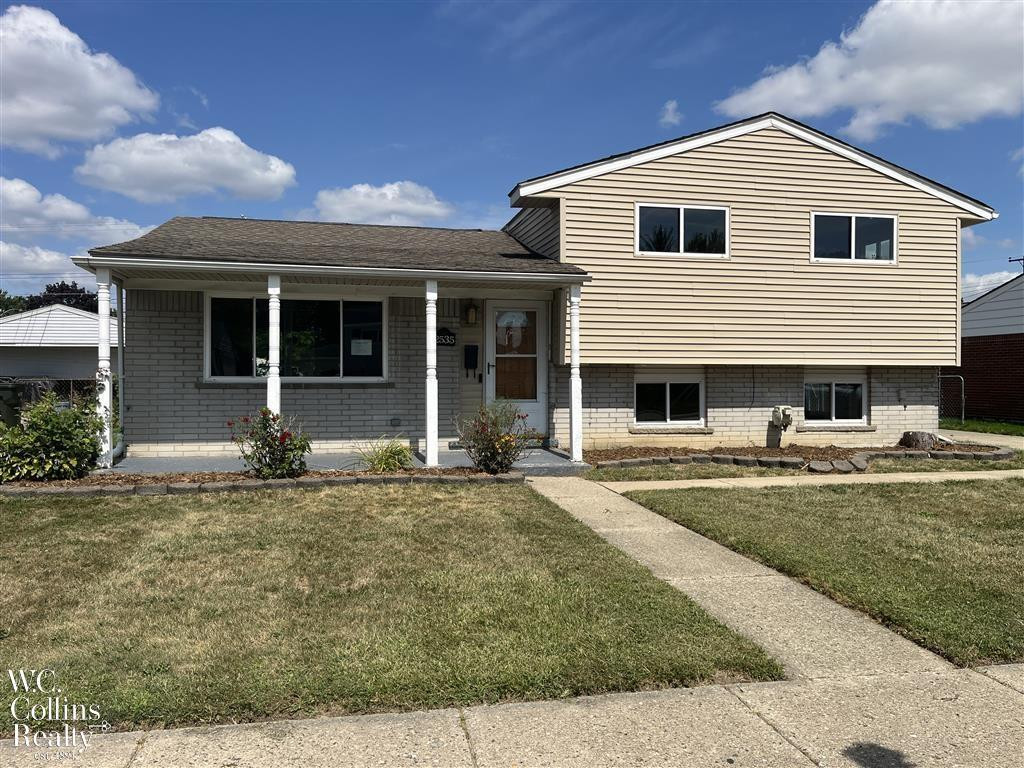
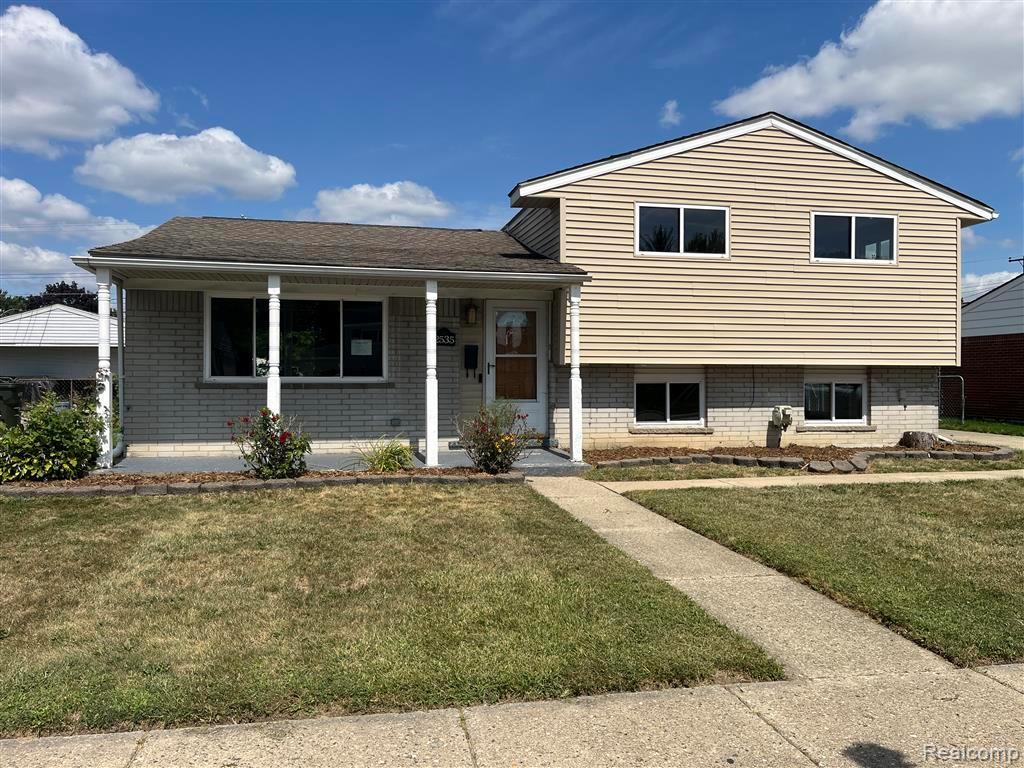
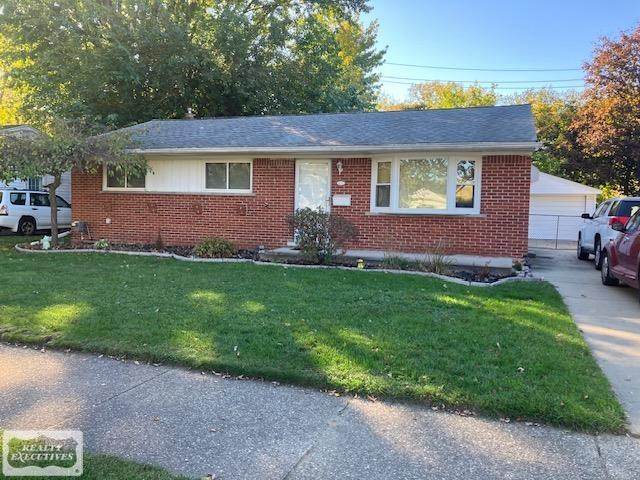
Filtered ZIPs: 48310,48311,48312,48313,48314 · · · · · · 49525
About Sterling Heights, Michigan
Sterling Heights is a Macomb County city of 134,346 residents (2020 census) — the second-largest suburb of Detroit and the fourth-most populous city in Michigan. Located roughly 18 miles north of downtown Detroit, the city is a second-ring suburb whose southern border sits about six miles from Detroit’s northern edge. Its 36.72 square miles are organized along the metro Detroit mile-road grid, with the Clinton River crossing the northeast corner and flowing east toward Lake St. Clair. Five ZIP codes (48310-48314) cover the city.
The territory was first surveyed by Deputy Surveyor Joseph Wampler in 1818, following the War of 1812 and the 1817 Treaty of Fort Meigs. Until the 1950s the township was agricultural, largely devoted to rhubarb and other crops grown for Detroit markets. Road improvements and the booming automobile industry drew workers north through the 1960s and 1970s, with many residents employed at Chrysler and Ford plants. The township incorporated as a city in 1968, with ‘Heights’ added to satisfy a state rule against duplicate municipal names — a village called Sterling already existed in Arenac County. Gerald Donovan served as first mayor; Lakeside Mall opened in 1976.
The local economy combines automotive manufacturing — a legacy of the Chrysler and Ford plant growth that shaped post-war development — with one of metro Detroit’s deepest suburban retail concentrations along the M-59 / Hall Road corridor. The community is among the most diverse in metro Detroit. After the 2003 U.S.-Iraqi War, an estimated 30,000-50,000 displaced Iraqi citizens (predominantly Chaldean Catholic) resettled here, with the area around 15 Mile Road and Ryan earning the nickname ‘Little Nineveh.’ Eastern European populations — Albanian, Bosnian, Croatian, Macedonian, Montenegrin, Polish, Serbian, Slovenian — and an Asian population near 6.7% round out the cultural mix.
Neighborhood Guide · Sterling Heights, MI
Sterling Heights Neighborhoods
The city is organized along the metro Detroit mile-road grid, with the Clinton River corridor defining the northeast and the M-59 / Hall Road retail spine running east-west. Residential geography is read by school district (Utica in the north, Warren Consolidated in the south), the major corridors (M-53, M-59, Van Dyke), and proximity to the Clinton River and River Bends Park.
North Sterling Heights — Utica Schools Area
The northern half of the city, served by Utica Community Schools — one of the largest public school districts in Michigan. Inventory runs from established 1960s-1970s post-war suburban single-family homes through later-era construction on the city’s northern edge. The area sits closest to Utica and Shelby Township, with quick access to the M-59 corridor and the Clinton River corridor along the northeast. Generally the higher-value residential half of the city, reflecting school-district demand and proximity to newer construction near the northern border.
Walkability: Sidewalks throughout the residential blocks; walkable to neighborhood schools and parks. Drive-oriented for major retail and freeway access.
Buyer fit: Common among families prioritizing the Utica Community Schools district, buyers wanting the city’s stronger residential profile, and households seeking proximity to the northern Macomb County employment corridor and the Clinton River park system.
South Sterling Heights — Warren Consolidated Area
The southern half of the city, served by Warren Consolidated Schools, with established post-war and mid-century single-family homes built largely during the 1960s-1970s automotive-manufacturing growth surge. Price points run generally below the northern half, reflecting school-district demand patterns rather than housing quality. The area borders the city of Warren and Madison Heights at the southwest corner, with quick access to I-696 via Warren and the Van Dyke (M-53) employment corridor.
Walkability: Sidewalks throughout; walkable to neighborhood schools. Drive-oriented for major retail destinations.
Buyer fit: Common among families prioritizing the Warren Consolidated district, first-time buyers seeking accessible price points within a city with strong fundamentals, and households commuting to the Warren / Madison Heights / I-696 employment corridor.
The M-59 / Hall Road Corridor
Residential neighborhoods near the M-59 / Hall Road east-west corridor — metro Detroit’s premier suburban retail-and-dining spine. Homes here trade quick freeway-grade arterial access for proximity to the metro’s deepest concentration of shopping, restaurants, and services. M-59 connects the city westward to the I-75 corridor and Oakland County and eastward through Macomb County, making this corridor the city’s primary east-west spine alongside the mile-road grid.
Walkability: Drive-oriented corridor; walkable residential pockets with sidewalks throughout. The appeal is corridor retail and arterial reach, not pedestrian destinations.
Buyer fit: Common among buyers prioritizing same-day access to suburban retail and dining, dual-commute households needing east-west arterial reach across the northern metro, and downsizers wanting service convenience without trading away an established suburban setting.
The Clinton River & River Bends Corridor
The northeastern part of the city along the Clinton River, anchored by River Bends Park — the city’s largest natural-recreation asset. The Clinton River crosses the northeast corner and flows east toward Lake St. Clair past Mount Clemens, giving this corridor riparian character within a built-out suburb. Inventory is established single-family housing on lots that benefit from river proximity, woodland edges, and direct trail access. Generally the city’s outdoor-oriented residential pocket.
Walkability: Drive-oriented for retail; River Bends Park offers extensive trails and river access reachable on foot from the surrounding neighborhoods. Sidewalks throughout the residential blocks.
Buyer fit: Common among buyers prioritizing trails, river access, and woodland setting within a metro Detroit suburb; outdoor-recreation households who want park-adjacent living; and families wanting Utica Community Schools paired with green-space proximity.
The Dodge Park & Central District
The central part of the city around Dodge Park and the civic core — established single-family neighborhoods near central parks, the public library, and the government center. The location offers the most balanced access across the city’s geography: north toward Utica Schools areas, south toward Warren Consolidated, east toward the Clinton River corridor, and west toward Van Dyke. Inventory runs established post-war and mid-century single-family homes on the typical metro Detroit suburban lot.
Walkability: Sidewalks throughout; walkable to Dodge Park, the library, and the civic core. Drive-oriented for major retail destinations.
Buyer fit: Common among families prioritizing a central location with quick reach to civic amenities, buyers wanting balanced access across the city’s geography, and households for whom Dodge Park, the library, and community programming are core to weekly life.
The Van Dyke Avenue Corridor
Residential neighborhoods along the Van Dyke (M-53) corridor on the city’s west side — established mid-century single-family homes with quick access to the M-53 employment corridor running south toward Warren, Detroit, and the I-696 freeway network, and north into northern Macomb County. The corridor sits closest to the Warren and Madison Heights borders, with the most accessible price points within the city for buyers commuting south or southwest.
Walkability: Drive-oriented corridor; walkable residential pockets with sidewalks throughout. Quick arterial reach for daily commuting.
Buyer fit: Common among buyers prioritizing the city’s more accessible price points, commuters running M-53 / Van Dyke south toward Warren and Detroit employment, and first-time buyers wanting a Sterling Heights address without the corridor pricing of the M-59 retail spine.
Property Types in Sterling Heights
Single-Family Homes
The core inventory is established mid-century-through-newer suburban single-family housing — a legacy of the 1960s-1970s automotive-manufacturing growth that defined the city’s build-out. Pricing runs roughly $240K-$400K in the southern Warren Consolidated school area and $280K-$520K in the northern Utica Community Schools area. Lot sizes follow metro Detroit suburban norms with sidewalks throughout the residential blocks.
Condos & Townhouses
Condo and townhouse inventory runs deep across the city, especially along the M-59 and Van Dyke corridors. The format is popular with first-time buyers, downsizers from larger metro Detroit homes, and lock-and-leave buyers who want maintenance handled by the association. Layouts range from two-story attached townhomes to single-floor ranch condos, with price points concentrated in the $180K-$280K range.
New Construction
New-build inventory is limited in a largely built-out suburb — most ground-up activity is infill on remaining parcels, redevelopment of older lots, or projects on the city’s northern edge near the Utica and Shelby Township borders. Buyers prioritizing brand-new construction will find fewer options inside city limits and may need to expand the search into Shelby Township, Macomb Township, or northern Macomb County.
Investment Properties
The investment market is anchored by the automotive-manufacturing workforce that has driven the city since the 1960s, the retail-corridor economy along M-59, and steady suburban rental demand from a population of 134,346. Inventory across the southern half of the city offers the more accessible cash-flow entry points; condos along the M-59 and Van Dyke corridors are common rental holds.
Waterfront Homes
The Clinton River crosses the northeastern part of the city, flowing east toward Lake St. Clair, providing river-corridor and River Bends-adjacent properties. Dedicated lake frontage is not available within city limits — the city is a built-out second-ring suburb roughly 18 miles inland from downtown Detroit. Buyers prioritizing lake living look to outer-ring Macomb and Oakland County lake communities.
Luxury Homes
Higher-end inventory concentrates in the northern Utica Community Schools area and on newer construction near the city’s northern edge — larger homes on bigger lots, often with finished basements, three-car garages, and updated kitchens and primary suites. The luxury tier here is solid but modest relative to neighboring Oakland County markets like Troy, where comparable footprints can trade at meaningfully higher prices.
Sterling Heights Schools & Education
The city is split between two of metro Detroit’s larger and most regarded public school districts — Utica Community Schools serving the northern half and Warren Consolidated Schools serving the southern half. The Utica / Warren Consolidated dividing line runs through the city, making district verification an essential part of any home search here.
Utica Community Schools
The district serving the northern half of the city — one of the largest public school districts in Michigan and consistently among the more regarded districts in the metro. High schools within the district include Stevenson and Henry Ford II. The Utica footprint is a strong driver of demand in the northern half of the city, with families across metro Detroit specifically targeting the district during the home search. The district’s size also means a broad range of program offerings — magnet options, IB and advanced-placement tracks, and dedicated athletic and arts facilities — across multiple campuses. District boundaries within the city are address-specific, so a home one block north or south of the dividing line can change district assignment.
Warren Consolidated Schools
The district serving the southern half of the city — a large, established district whose high schools include Sterling Heights High School. Warren Consolidated has a strong record across athletics, arts, and CTE programming, and serves a community that spans Sterling Heights, Warren, and surrounding areas. District assignment within the city is property-specific; the Utica / Warren Consolidated line runs through Sterling Heights and is not a clean north-south split at any single mile road. Buyers comparing Warren Consolidated and Utica options often find competitive program depth on both sides of the line, with the price differential reflecting demand intensity more than program quality.
Higher Education — Macomb & the Metro
Macomb Community College serves the area directly, with campuses providing two-year degrees, transfer pathways into four-year institutions, workforce training, and continuing-education programming for the local automotive-manufacturing and skilled-trades workforce. The depth of the metro Detroit higher-education sector is within reach across the northern metro: Oakland University in Rochester, Wayne State University in Detroit, and Lawrence Technological University in Southfield, with the University of Michigan reachable in roughly 55 minutes in Ann Arbor. The combined network gives Sterling Heights residents access to nearly every undergraduate and graduate program available in southeast Michigan.
Sterling Heights is split between two districts, and the dividing line runs through the city. Always confirm the exact district for any specific property with Edward — he verifies district and enrollment options as part of the buyer consultation.
Cost of Living & Property Taxes in Sterling Heights
One of the biggest advantages of Sterling Heights Michigan real estate is affordability relative to comparable metro areas. Here’s what it costs to live in Sterling Heights.
$276,543
Avg. Home Price
$72,000
Median Household Income
—
Property Tax Rate
Property Taxes
Sterling Heights property taxes are calculated on a home’s taxable value — roughly 50% of market value in Michigan — multiplied by the local total millage rate (city or township + county + school + intermediate school district). Your exact tax depends on the specific property and jurisdiction within the Sterling Heights area; Edward provides a precise estimate for any home you’re considering.
If the home is your primary residence, file the Michigan Principal Residence Exemption (PRE) — it removes 18 mills (the local school operating millage) from your tax bill. On an average-priced Sterling Heights home, the PRE saves roughly $1,240 per year, typically 30–40% of total property taxes. The PRE is filed once at closing and stays in effect as long as you live in the home.
Cost Comparison
Michigan offers among the lowest costs of living in the Great Lakes region. Housing, property taxes, and — since the 2020 no-fault auto insurance reform — vehicle insurance all run below national averages, and Michigan has no local income tax in most jurisdictions. For buyers relocating from higher-cost metros, that combination means a given budget reaches noticeably further in Sterling Heights than in comparable out-of-state markets.
Within Sterling Heights, the real cost variable is neighborhood and property type rather than the city overall. Edward walks buyers through total monthly cost — mortgage, taxes, insurance, and utilities — for any specific Sterling Heights home so the comparison is grounded in real numbers, not averages.
Sterling Heights Market Trends
Understanding market trends helps buyers and sellers make better decisions in the Sterling Heights Michigan real estate market. Here’s what the data shows.
Key Trends for 2026
Prices rising steadily
Sterling Heights home values continue to appreciate, outpacing the national average.
Low inventory
Current supply is well below a balanced market (typically 4–6 months), meaning demand significantly exceeds available homes.
Fast-moving market
Well-priced homes in desirable neighborhoods sell in under 2 weeks. Buyers need pre-approval ready.
Spring/summer peak
Historically, Sterling Heights sees the strongest buyer activity from April through August.
New construction increasing
Developers are adding inventory in suburban areas, but supply still lags demand.
Mortgage Options for Sterling Heights Homebuyers
This is where Edward Kalavitz gives you an advantage no other Sterling Heights Realtor can match. As a dual-licensed Realtor AND Mortgage Loan Originator, Edward handles both your home search and your financing — saving you time, money, and the hassle of coordinating between multiple professionals.
FHA Loans
№ 013.5% down with credit scores as low as 580. The most popular choice for Sterling Heights first-time buyers. Lower down payment and more flexible qualification.
Conventional Loans
№ 023-20% down with credit scores of 620+. Competitive rates and no upfront mortgage insurance with 20% down. Best for buyers with strong credit.
VA Loans
№ 030% down for veterans and active military. No monthly PMI. The best loan program available — if you qualify, Edward will make sure you use it.
USDA Loans
№ 040% down — Sterling Heights city limits are NOT USDA-eligible. However, nearby communities in Macomb County (Armada, Romeo, Bruce Township, Ray Township, and Memphis) ARE eligible for zero-down USDA loans. Income limits apply (typically 115% of area median income).
MSHDA Down Payment Assistance
№ 05Up to $10,000 in down payment help from the Michigan State Housing Development Authority. Income limits apply — Edward checks eligibility at your consultation.
Payment Calculator
№ 06See exactly what a Sterling Heights home costs per month. Try our free mortgage calculator or affordability calculator.
Buying a Home in Sterling Heights — Step by Step
Whether you’re a first-time buyer or experienced homeowner, here’s how to buy in the Sterling Heights Michigan real estate market with Edward Kalavitz handling both your Realtor and mortgage needs.
Get Pre-Approved (Free)
Call Edward at (616) 633-3692 or apply online. He’ll compare FHA, VA, USDA, and conventional options simultaneously and issue your pre-approval letter — typically within 24 hours. This tells sellers you’re a serious, qualified buyer.
Search Homes in Sterling Heights
With pre-approval in hand, Edward helps you search Sterling Heights neighborhoods that match your budget and lifestyle. As your Realtor, he can schedule showings, provide neighborhood insights, and run live payment scenarios as you tour homes.
Make an Offer & Negotiate
When you find the right home, Edward writes your offer with competitive terms informed by current Sterling Heights market data. In a fast-moving Sterling Heights market, having a Realtor who understands both the real estate and financing side gives you a strategic advantage.
Inspection, Appraisal & Closing
Edward manages the entire pipeline — home inspection coordination, appraisal ordering, title work, underwriting, and closing preparation. One point of contact through the entire process.
Welcome Home to Sterling Heights!
On closing day, you sign final documents and receive your keys. Edward ensures every number is accurate and every fee is verified. You’re now a Sterling Heights homeowner.
Edward’s Selling Advantage
Selling Your Home in Sterling Heights
Selling a home in Sterling Heights in 2026 rewards preparation. Accurate pricing from day one, professional presentation, and strategic timing are what separate listings that attract strong offers from those that linger on the market. Edward’s dual-license perspective — licensed Realtor and Mortgage Loan Originator — means he prices with both sides of the transaction in view, and can pre-qualify incoming buyers to keep your closing on track.
As your listing agent, Edward Kalavitz handles every step of the local selling process — comparative market analysis using current Sterling Heights comps in your specific neighborhood, professional pricing strategy informed by 25+ years of Michigan real estate experience, MLS listing on the Edward’s statewide MLS network (Water Wonderland Association, Realcomp II Limited, Northern Great Lakes MLS, MiRealSource, MichRIC, and Greater Lansing Association of REALTORS), professional photography and digital marketing, open house scheduling, offer negotiation, and full coordination through inspection, appraisal, and closing.
Most Sterling Heights sellers find that listing in April through August captures the strongest buyer activity — but well-priced homes sell year-round in this market.
Edward’s dual license as both a Michigan Realtor (#6501386956) and Mortgage Loan Originator (NMLS #138424) gives sellers a meaningful advantage that single-licensed agents simply can’t match.
When offers come in, Edward immediately vets each buyer’s financing strength with a lender’s eye — flagging weak pre-approvals before you accept an offer that might fall through, identifying buyers whose lock periods are about to expire, and reducing the risk of a deal collapsing in underwriting two weeks before close. In a fast market like Sterling Heights, fewer fall-throughs means faster, more certain closings.
Before you list, run the numbers. Edward’s Seller Net Sheet Calculator shows your estimated proceeds after agent commissions, title fees, transfer taxes, and remaining mortgage payoff — so you know exactly what you’ll walk away with before you sign a listing agreement. For a free home valuation and listing strategy consultation, call Edward at (616) 633-3692.
Edward’s Local Take on Sterling Heights

Twenty-five years working across this market, here’s how I help buyers think about Sterling Heights by priority. It’s metro Detroit’s second-largest suburb — big, established, well-organized along the mile-road grid, with two strong school districts splitting the city, the deepest retail corridor in the metro running through it, and one of the most culturally diverse populations in southeast Michigan. The right neighborhood here depends almost entirely on what you weight first: school district, price point, retail access, river-corridor green space, or commute geography.
Edward Kalavitz
Watch: Meet Edward
Get to know Edward Kalavitz — learn how he helps Sterling Heights Michigan families buy, sell, and finance homes with dual-licensed real estate and mortgage expertise.
Nearby Cities
Exploring the Sterling Heights Michigan real estate market but open to nearby communities? These cities are all within a short drive and offer different price points and neighborhood character — explore each one’s listings below.
What Clients Say About Working with Edward
Edward is a dual-licensed Realtor & Mortgage Loan Originator. Reviews include clients from both his real estate and mortgage practices.
“Very Professional and Thorough”
“Edward is very professional and thorough. Had a great experience working with him. Everything went very smooth.”
“Great to Have 2 in 1”
“Ed was very responsive, knowledgeable, and made our first home buying experience great! He’s a relator and lender, which was great to have “2 in1”. We were able to look at houses and run number the same day. He was very flexible with times we needed to set up showings, as well as very informative and organized with paperwork! I appreciate his expertise greatly!”
“Works Hard 24/7”
“Ed is wonderful to work with! He is very thorough, experienced, and friendly. Ed works hard 24/7 to give you the best mortgage experience and is always able to help with whatever you need!”
“Above and Beyond”
“Edward is a great relator and loan officer. He helped my fiance and I buy our first home. We called him back when we were ready to sell and buy our forever home. He again went above and beyond to make the process swift and easy. I recommend him to my friends and family who are looking into buying, selling or refinacing their home!”
“Closing Came Sooner Than Anticipated”
“Edward was up front, professional and most helpful in first determining if I was a good candidate for a mortgage re-Fi. My case was Probably not the easiest , however, he made my “homework” manageable. The closing came sooner than anticipated , thanks to his perseverance, knowledge and professionalism .”
“Not Only My Realtor — My Friend”
“Edward was an excellent help in the most stressful time of my life. My son passed away in 2018 and I had to sell his home. Edward alleviated some stress by being patient, organized and communicated thoroughly the entire process. He not only was my realtor/loan officer but he was my friend! Highly recommend him for any home needs!”
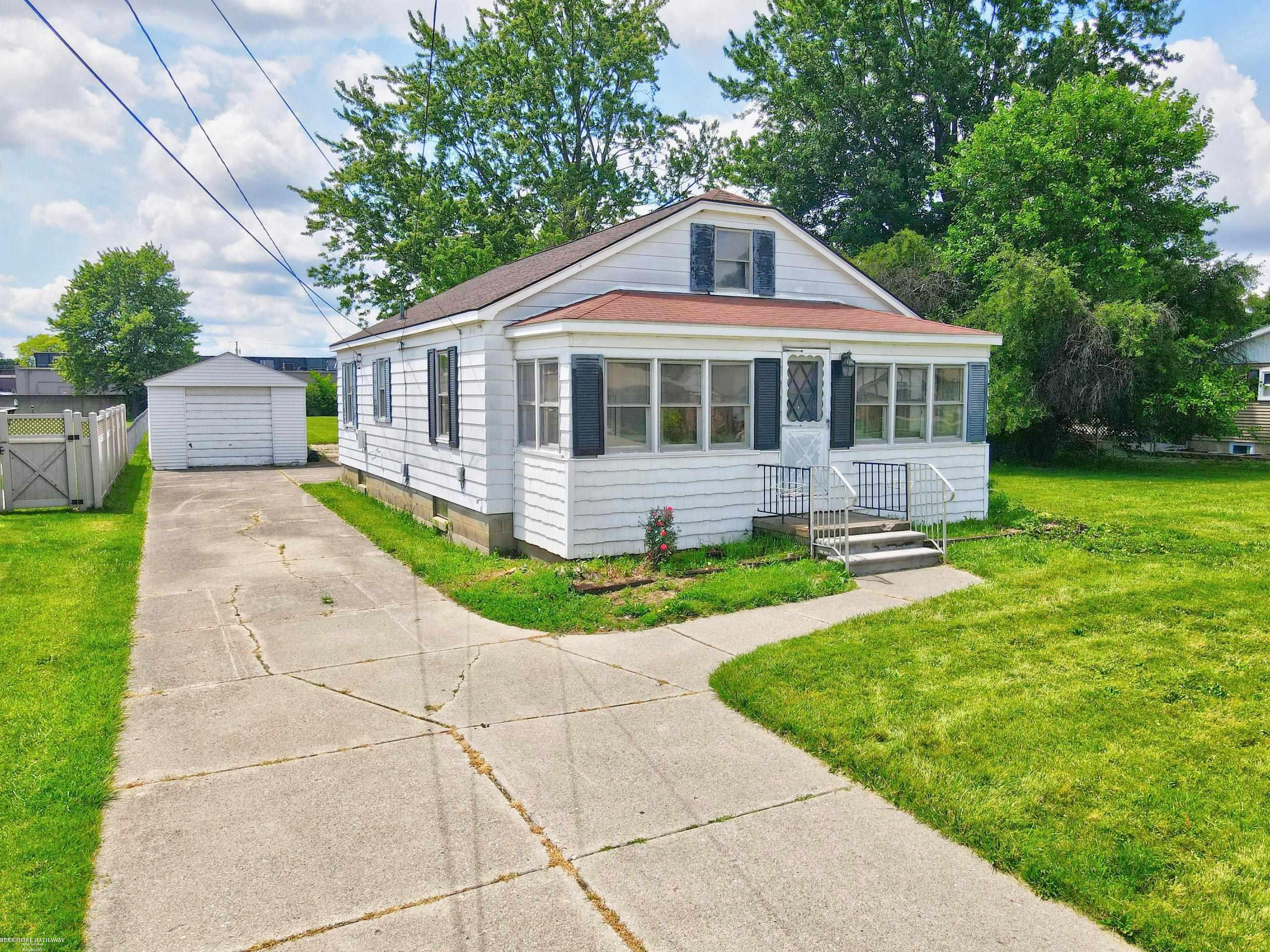
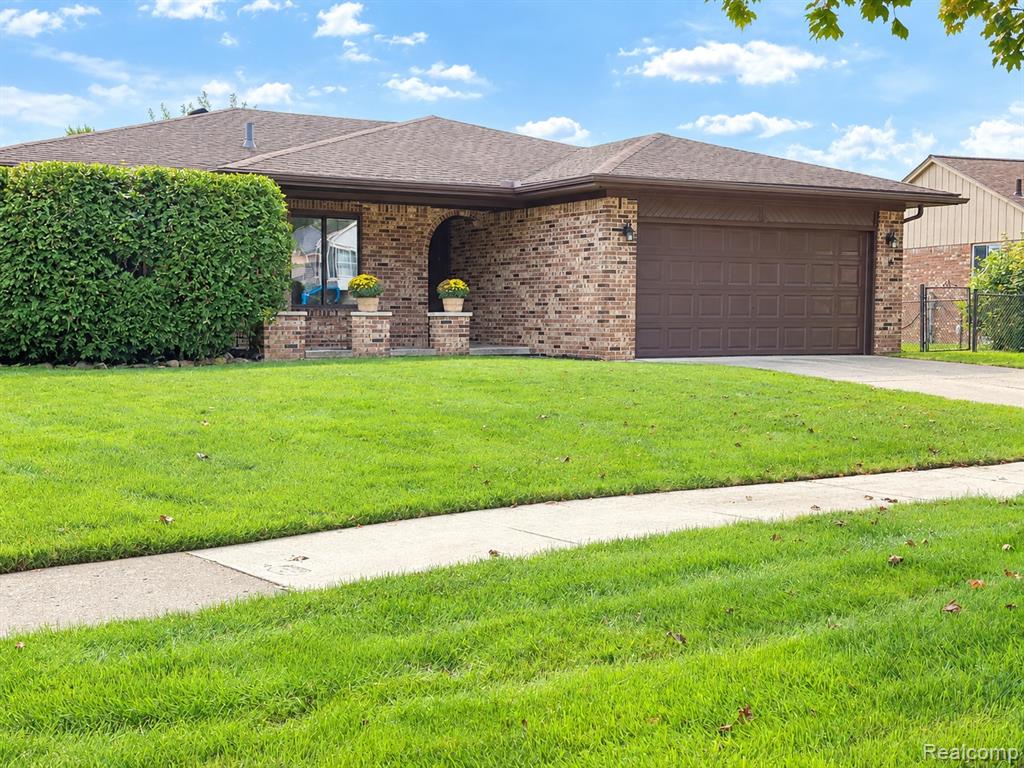
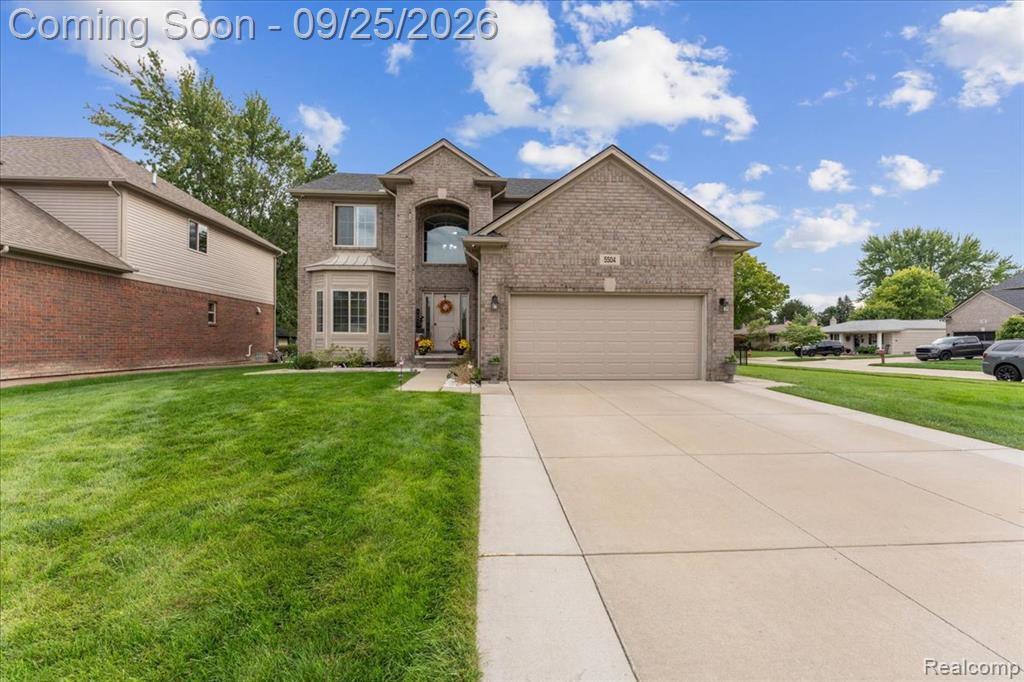
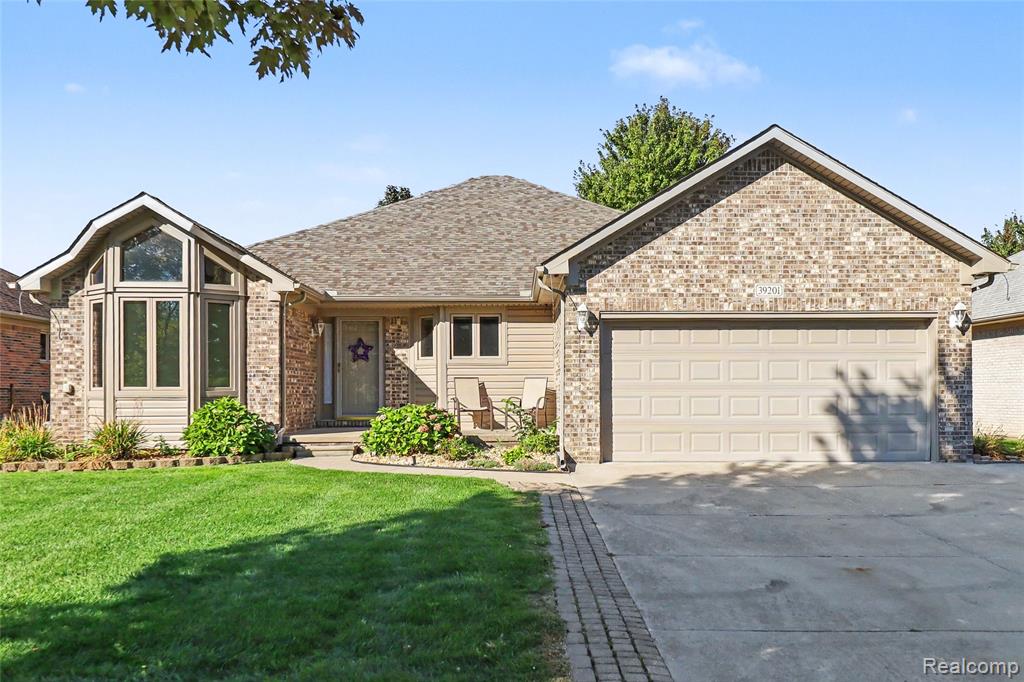
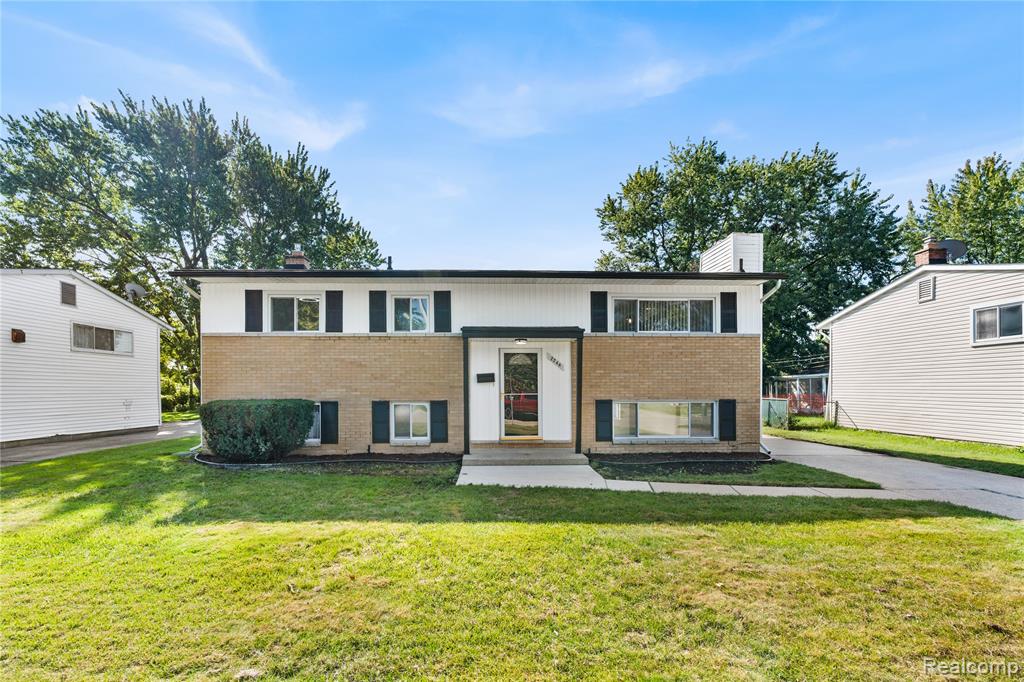
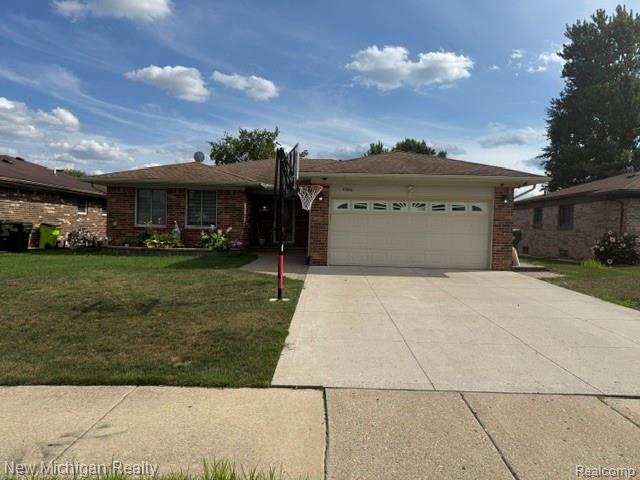
Recently Sold Homes in Sterling Heights
Sterling Heights Commute & Transportation
Built on the metro Detroit mile-road grid, the city’s commute geography centers on two major state routes — M-53 (Van Dyke) running north-south and M-59 (Hall Road) running east-west — with I-696 and I-75 a short drive away through Warren and Troy.
M-53 (Van Dyke Freeway)
M-53 / Van Dyke runs north-south through the city — partly freeway-grade — connecting south toward Warren, Detroit, and the I-696 corridor, and north into northern Macomb County. It functions as the primary north-south spine, serving daily commuters to Warren and Detroit and giving the western half of the city quick arterial reach. Multiple interchanges within the city limit make access from residential blocks straightforward.
M-59 (Hall Road)
M-59 / Hall Road runs east-west across the city — metro Detroit’s premier suburban retail corridor and a major arterial. Westbound, M-59 connects to the I-75 corridor and Oakland County (Troy in 16 minutes, Royal Oak in 25); eastbound, it runs through Clinton Township and into eastern Macomb County. Commuters working Oakland County corporate centers and households running daily errands along the corridor lean heavily on M-59.
The Mile-Road Grid
The metro Detroit mile-road grid — 14 Mile through 19 Mile and the north-south arterials (Van Dyke, Mound, Dequindre, Schoenherr, Ryan) — gives the city a dense, navigable network for local trips and connections to surrounding suburbs. Utica is 8 minutes; Warren 12; Fraser 12; Clinton Township 13; Troy 15. The grid makes most cross-city trips predictable and short, with the only friction points the major M-59 / Van Dyke intersections at peak hour.
Freeway & Airport Access
I-696 (via Warren) and I-75 (via Troy) both sit a short drive from the city, connecting across the full metro. Downtown Detroit is roughly 30 minutes south; Ann Arbor and the University of Michigan corridor about 55 minutes; and Detroit Metropolitan Airport (DTW) in Romulus about 45 minutes via I-75. SMART regional bus service operates routes through the city, with the M-59 and Van Dyke corridors among the higher-frequency lines.
Where Sterling Heights Sits on the Map
Approximate drive times to other markets buyers commonly compare to Sterling Heights. Times reflect typical non-rush conditions; commute hours add 15–30%.
Sterling Heights Lifestyle, Entertainment & Recreation
Daily life blends a major parks system along the Clinton River, the metro’s deepest suburban retail-and-dining corridor, a diverse community whose cultural footprint shapes restaurants and markets across the city, and quick reach to everything the broader metro offers — sports, theater, museums, and the lakefront.
River Bends Park & the Clinton River
River Bends Park anchors outdoor recreation — a large natural park along the Clinton River with extensive trails, woods, and river access. The central Dodge Park and the broader municipal parks system add community gathering space, playgrounds, splash pads, and programming throughout the year. The Clinton River corridor crosses the northeast part of the city, giving residents direct access to a riparian recreation network rare among second-ring metro Detroit suburbs.
The M-59 / Hall Road Retail Corridor
The M-59 / Hall Road corridor is metro Detroit’s premier suburban retail-and-dining concentration — putting some of the region’s deepest shopping, restaurant, and service access at the city’s doorstep. The corridor’s history traces back to the 1976 opening of Lakeside Mall and the post-war retail boom that followed automotive-industry growth. Big-box, specialty retail, and a wide spectrum of dining sit along the corridor and the streets feeding it.
A Diverse Community
One of the most diverse cities in metro Detroit — home to a large Chaldean and Middle Eastern community (13,641 residents identified as Chaldean per the 2020 Census, with 30,000-50,000 estimated regionally after the 2003 resettlement) plus eastern European populations including Albanian, Bosnian, Croatian, Macedonian, Montenegrin, Polish, Serbian, and Slovenian communities. The area around 15 Mile Road and Ryan is known locally as ‘Little Nineveh.’ The cultural depth shows up in restaurants, markets, places of worship, and community life.
Civic Life & Community Events
The Sterling Heights Public Library, the recreation programming run through the city’s parks system, and community events like Sterlingfest anchor civic life that serves one of Michigan’s largest suburban populations. The combination of size, diversity, and active programming gives the community a steady calendar of cultural festivals, summer concerts, library events, and youth athletics across the year.
Sterling Heights Healthcare & Medical Facilities
The city is served by a dense local network of outpatient clinics and urgent care, with major full-service hospitals minutes away in surrounding Macomb and Oakland County communities and the deepest tertiary referral systems in metro Detroit within reach.
Local Outpatient & Urgent Care
A dense network of outpatient clinics, urgent care, imaging centers, and specialty practices is distributed along the M-59, Van Dyke, and Mound Road corridors, handling routine and preventive care within the city. The retail-corridor footprint means most residents reach an urgent care or primary-care office within a short drive, with weekend and evening hours common across the network.
Henry Ford Macomb — Clinton Township
Minutes east in neighboring Clinton Township, Henry Ford Macomb Hospital provides full-service emergency, surgical, cardiovascular, and specialty care. It is one of the major hospitals serving central Macomb County and the closest full-service inpatient facility for most of the city. The Henry Ford system also operates outpatient and specialty offices across the area, giving residents continuity of care between the local clinic network and the hospital.
Corewell Health & Ascension — the Surrounding Metro
Corewell Health (the former Beaumont) operates a flagship hospital in Troy — roughly 16 minutes away — and Ascension operates hospitals in Warren and across the surrounding metro. The combination gives residents multiple major full-service hospital options within a 15-to-25-minute drive across Macomb and Oakland counties, including emergency, cardiovascular, oncology, and women’s-health services.
Tertiary Referral — Metro Detroit
For complex tertiary and quaternary care, residents have access to the major metro Detroit academic and specialty systems — Henry Ford Hospital in Detroit, Corewell Health Royal Oak, the Detroit Medical Center, and the University of Michigan in Ann Arbor (roughly 55 minutes). The breadth covers transplant programs, advanced oncology, neurology, pediatric subspecialties, and research-grade care across nearly every clinical area.
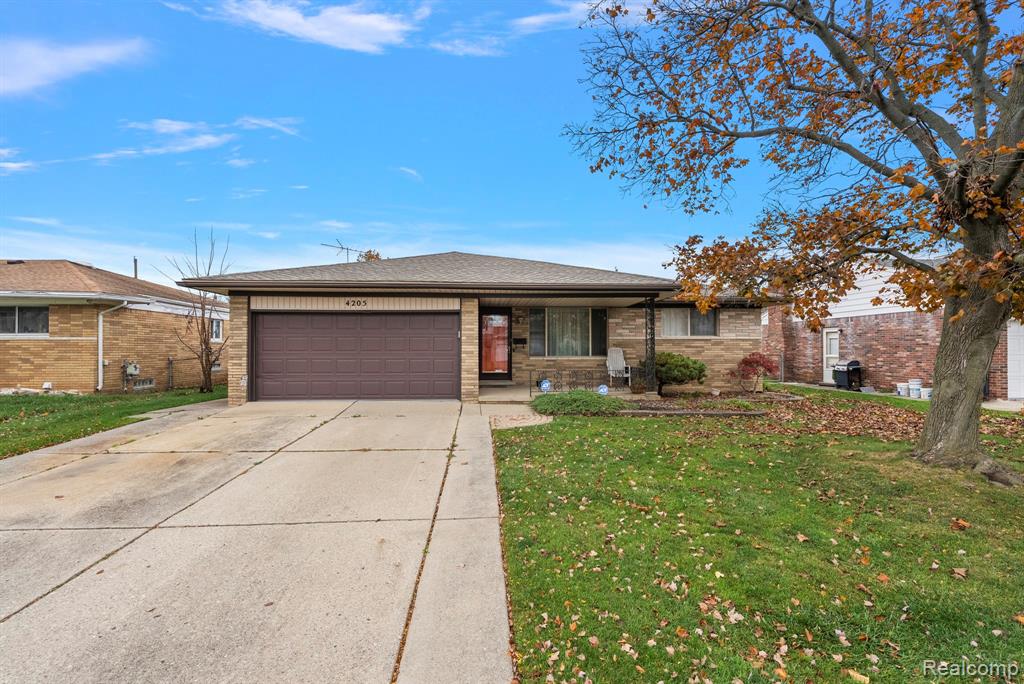
New Listings This Week in Sterling Heights
Open House
$490,000
New Listing
$304,900

Sterling Heights Real Estate FAQ
QWhat is the average home price in Sterling Heights?
Sterling Heights’ average sold price is approximately $276,543 based on current MLS market data. Pricing varies by area: the southern Warren Consolidated school area runs $240K-$400K; the northern Utica Community Schools area $280K-$520K; with the city’s larger and newer homes reaching $750K+.
QWhat school district is Sterling Heights in?
Sterling Heights is split between two districts — Utica Community Schools serves the northern half of the city and Warren Consolidated Schools serves the southern half. The dividing line runs through the city, so district assignment is property-specific; always verify the exact district for any specific property.
QIs Sterling Heights eligible for USDA loans?
Sterling Heights city limits are not USDA-eligible — it is a fully developed suburb in metro Detroit. USDA-eligible communities are in the rural outer ring of Macomb County — communities such as Armada, Romeo, Bruce Township, Ray Township, and Memphis. Eligibility is property-specific; Edward verifies current USDA Rural Development eligibility for any property before an offer.
QHow long do homes typically stay on the market in Sterling Heights?
Well-priced Sterling Heights homes in active neighborhoods can sell in two to four weeks; mispriced inventory sits much longer. The key is accurate pricing from day one — Edward’s 25+ years across Michigan markets prevents the price-cut cycle that costs sellers thousands in final net.
QShould I use a Realtor or sell my home myself (FSBO)?
For most Sterling Heights sellers, working with a licensed Realtor produces a higher final net after accounting for commission. National Association of Realtors data consistently shows FSBO transactions close at lower prices with more contingency complications. Edward’s dual-license advantage means he can pre-approve qualified buyers directly — which speeds closings, reduces fall-through risk, and gives you better negotiating leverage.
QWhat’s the financing process for buying a home in Sterling Heights?
Step 1 — Get pre-approved (Edward can pre-approve you directly as a licensed Mortgage Loan Originator, NMLS #138424). Step 2 — Shop within your approved price range. Step 3 — Submit an offer with pre-approval letter attached. Step 4 — Home inspection plus appraisal. Step 5 — Loan underwriting and conditions. Step 6 — Closing. Edward handles both Realtor and Mortgage sides for Sterling Heights buyers — eliminating the coordination friction that delays most transactions.
QWhy choose Edward Kalavitz for Sterling Heights real estate?
Edward is dual-licensed as both a Michigan Realtor (#6501386956) and Mortgage Loan Originator (NMLS #138424). One expert handles your pre-approval, home search, offer, AND financing — eliminating the back-and-forth that delays most transactions. 25+ years of experience across Michigan’s six MLS networks (Water Wonderland Association, Realcomp II Limited, Northern Great Lakes MLS, MiRealSource, MichRIC, and Greater Lansing Association of REALTORS) gives statewide listing reach unmatched by single-MLS competitors.
Buy or Sell in Sterling Heights with Edward Kalavitz
Dual-licensed Realtor & Mortgage Loan Originator — one trusted professional for your entire transaction.
Available When You Need Answers
Real estate questions don’t wait for business hours — and neither does Edward Kalavitz.

