
Homes for Sale in Mio, Michigan
Search all available listings, view market trends, and get expert guidance from Edward Kalavitz — your dual-licensed Mio Realtor and Mortgage Loan Originator with 25+ years of experience.
Realtor License #6501386956 · Turnkey Realty LLC • NMLS #138424 · Private Mortgage Guarantee LLC
In This Guide
- Market Dashboard
- Today’s Rates in Mio
- Michigan Mortgage Advisor
- Homes for Sale in Mio
- About Mio
- Neighborhoods & Subdivisions
- Property Types
- Schools & Education
- Cost of Living & Taxes
- Market Trends
- Mortgage Options in Mio
- Buying in Mio
- Selling in Mio
- Edward’s Local Take
- Watch: Meet Edward
- Nearby Cities
- Google Reviews
- Mio FAQ
- Available Hours
Mio Real Estate Market Dashboard
Mortgage Rates in Mio
Competitive pricing personalized to your scenario. Rates shown reflect 740+ credit, 30-year fixed terms unless noted.
Purchase Loans
Conventional Purchase
15-Year Conventional
FHA 30-Year Purchase
VA 30-Year Purchase
USDA Purchase & Refinance
USDA 30-Year Purchase
FHA Streamline Refi
Conventional Refinance
Jumbo & High-Balance
Jumbo / High-Balance
Not Sure Which Loan You Qualify For?
See the rates. Not sure which loan fits your situation? The Michigan Mortgage Advisor answers that in 60 seconds — analyzing your credit, down payment, and goals to recommend the best loan program and show you your real monthly payment on Mio Michigan real estate.
- Instant loan-type recommendation — FHA, VA, USDA, or Conventional
- Live rate and APR for your exact scenario
- Michigan-specific closing cost estimate
- No credit check required to start
Best loan for you: FHA
3.5% down
~$1,830/mo principal + interest
Your actual recommendation is calculated live based on your inputs.
Featured Mio Listings
Premium properties in the Mio area, $500K and above.
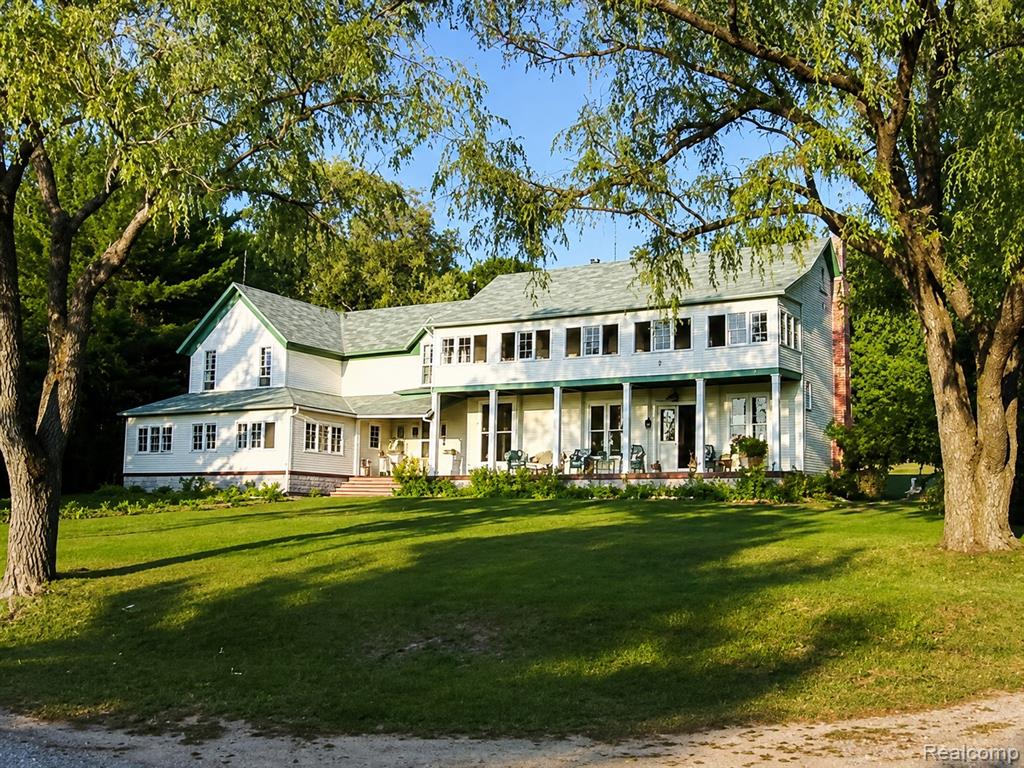


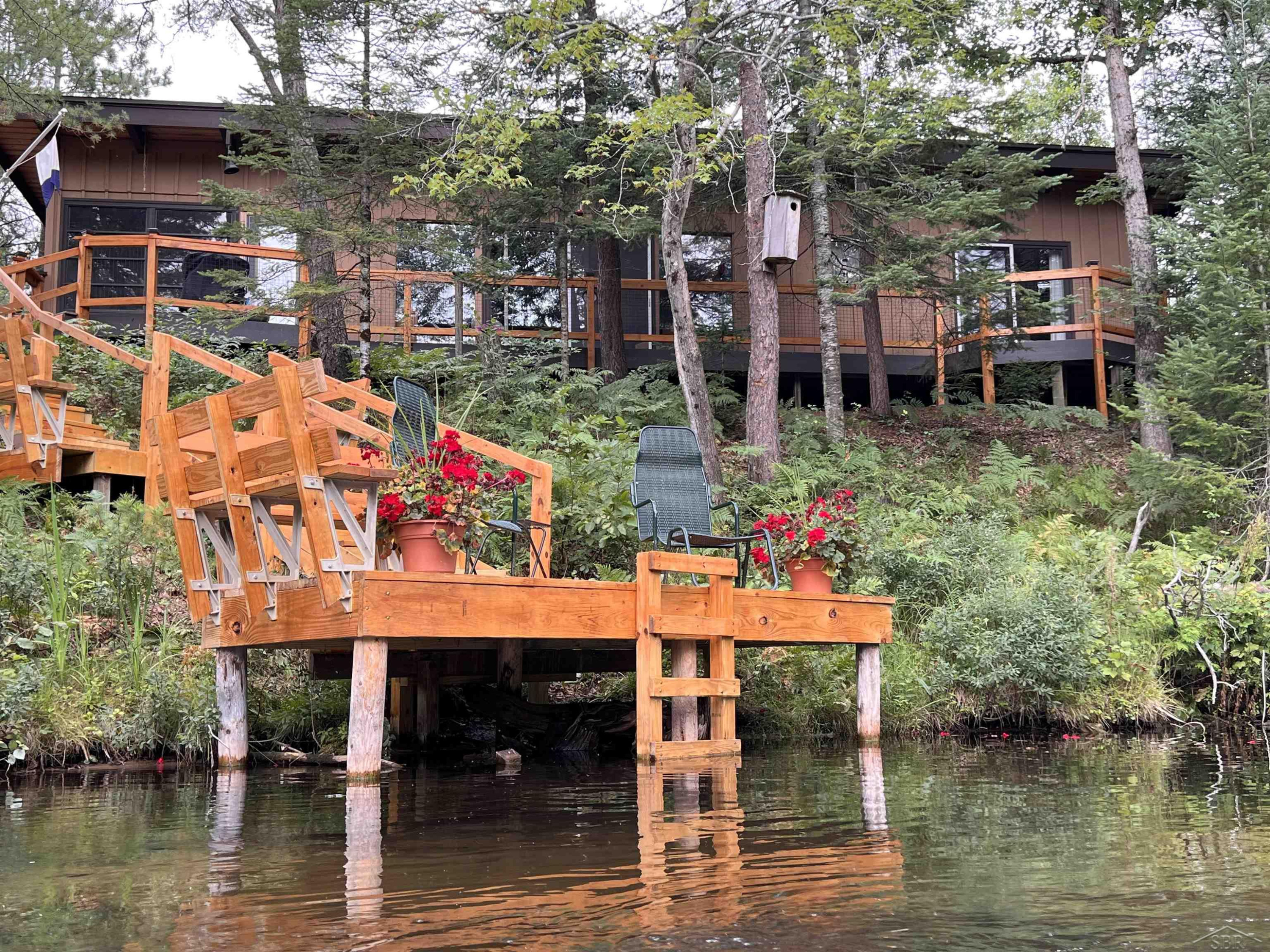


Browse Active Mio Listings

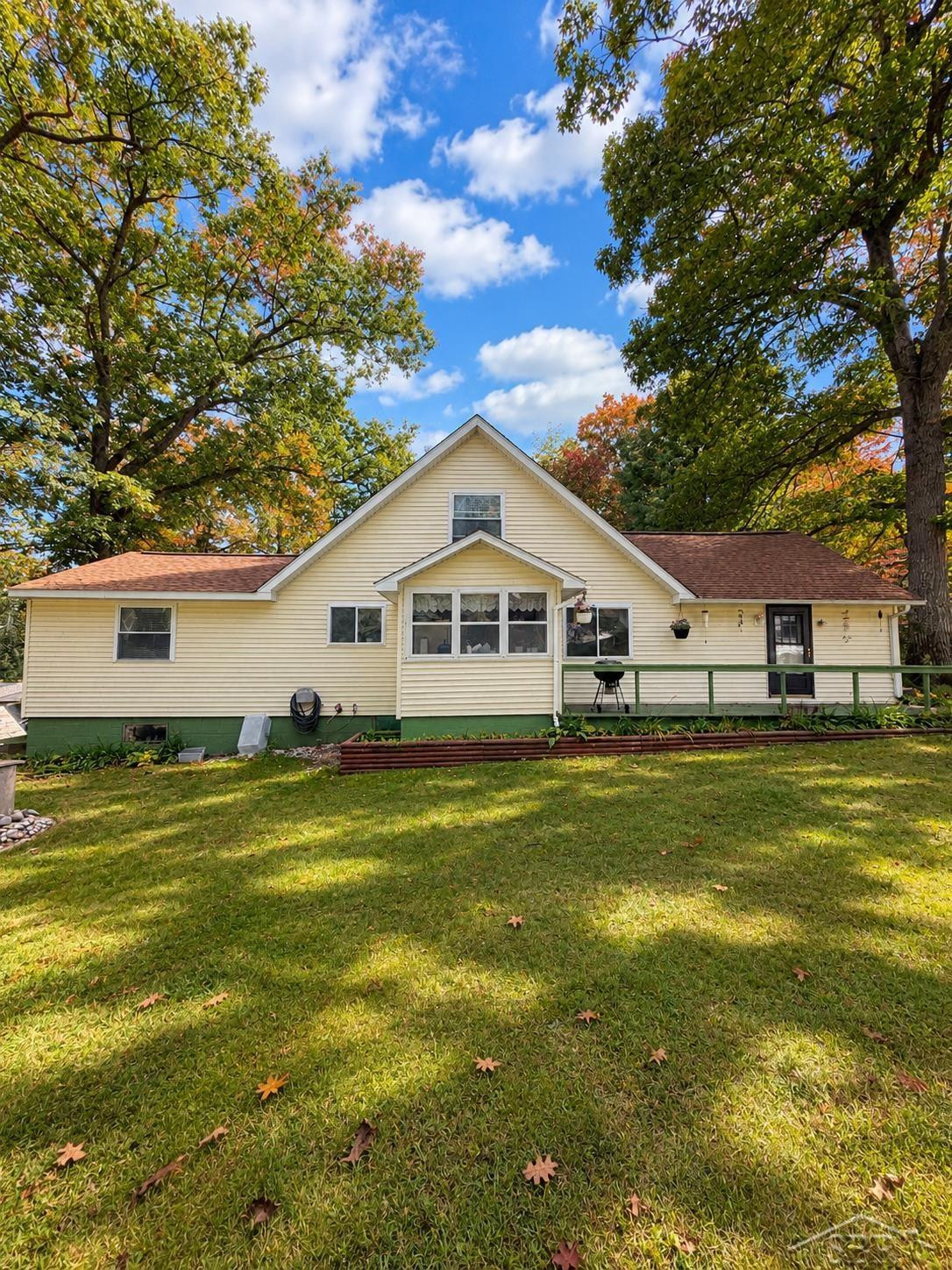
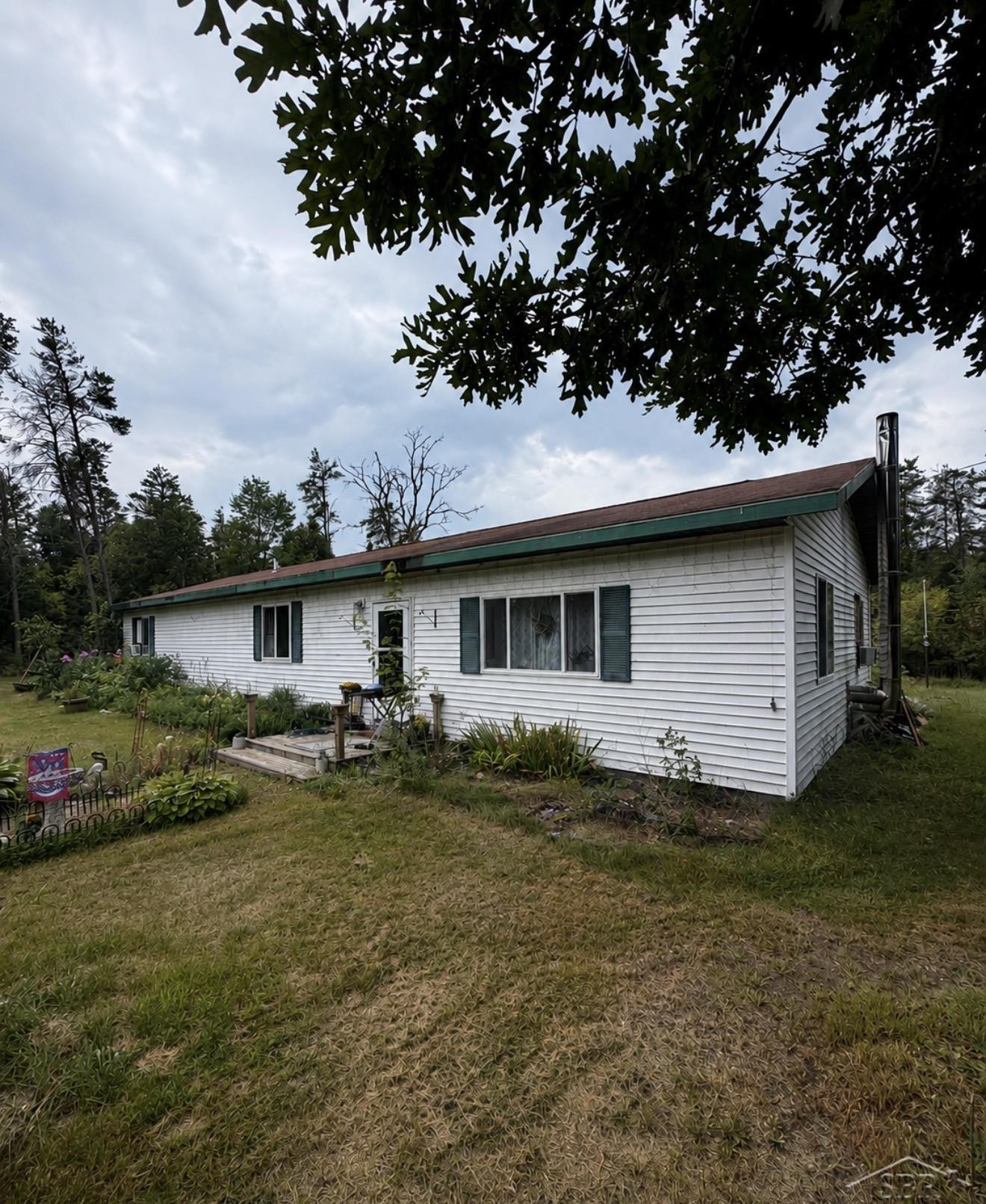
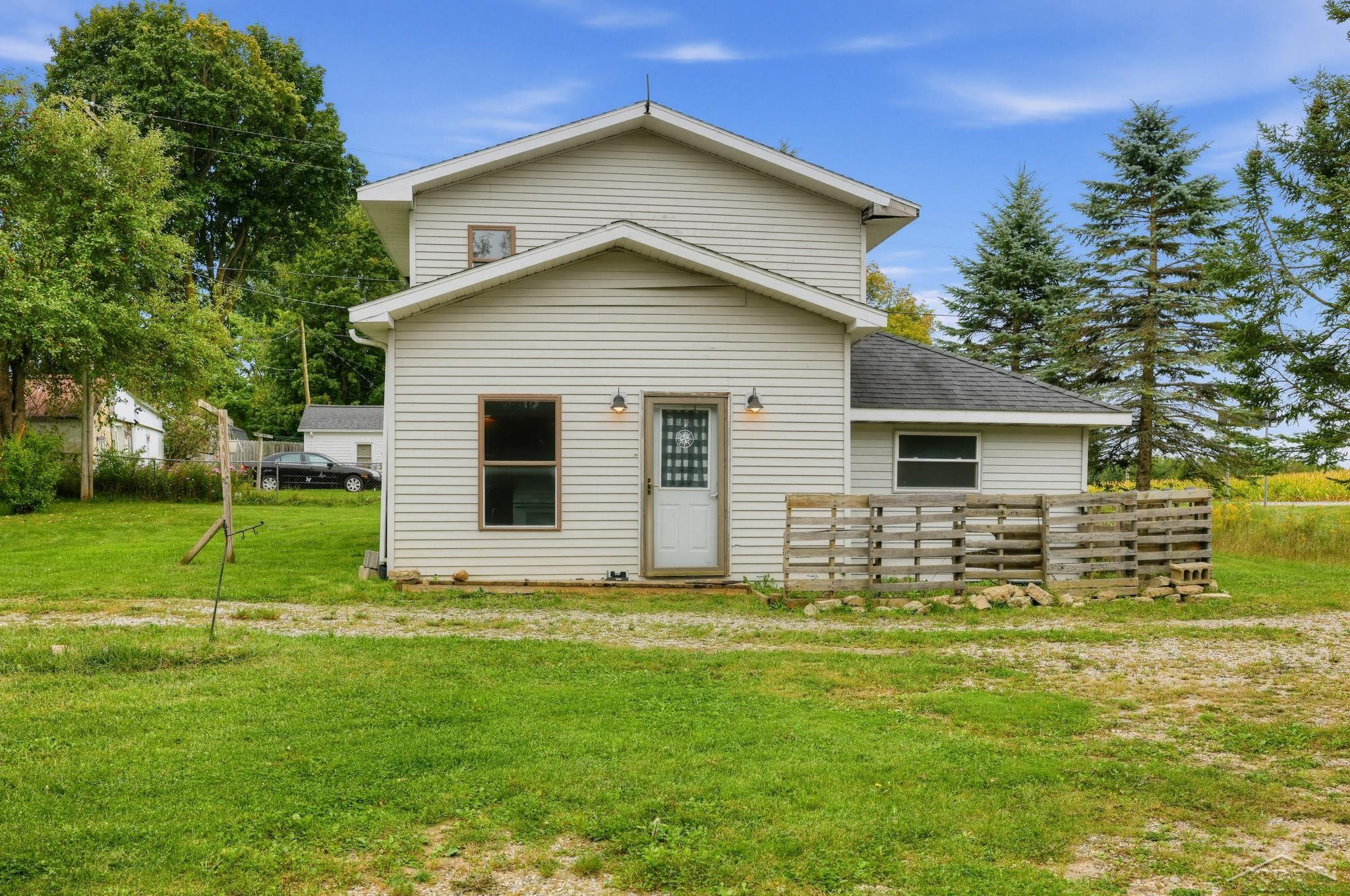
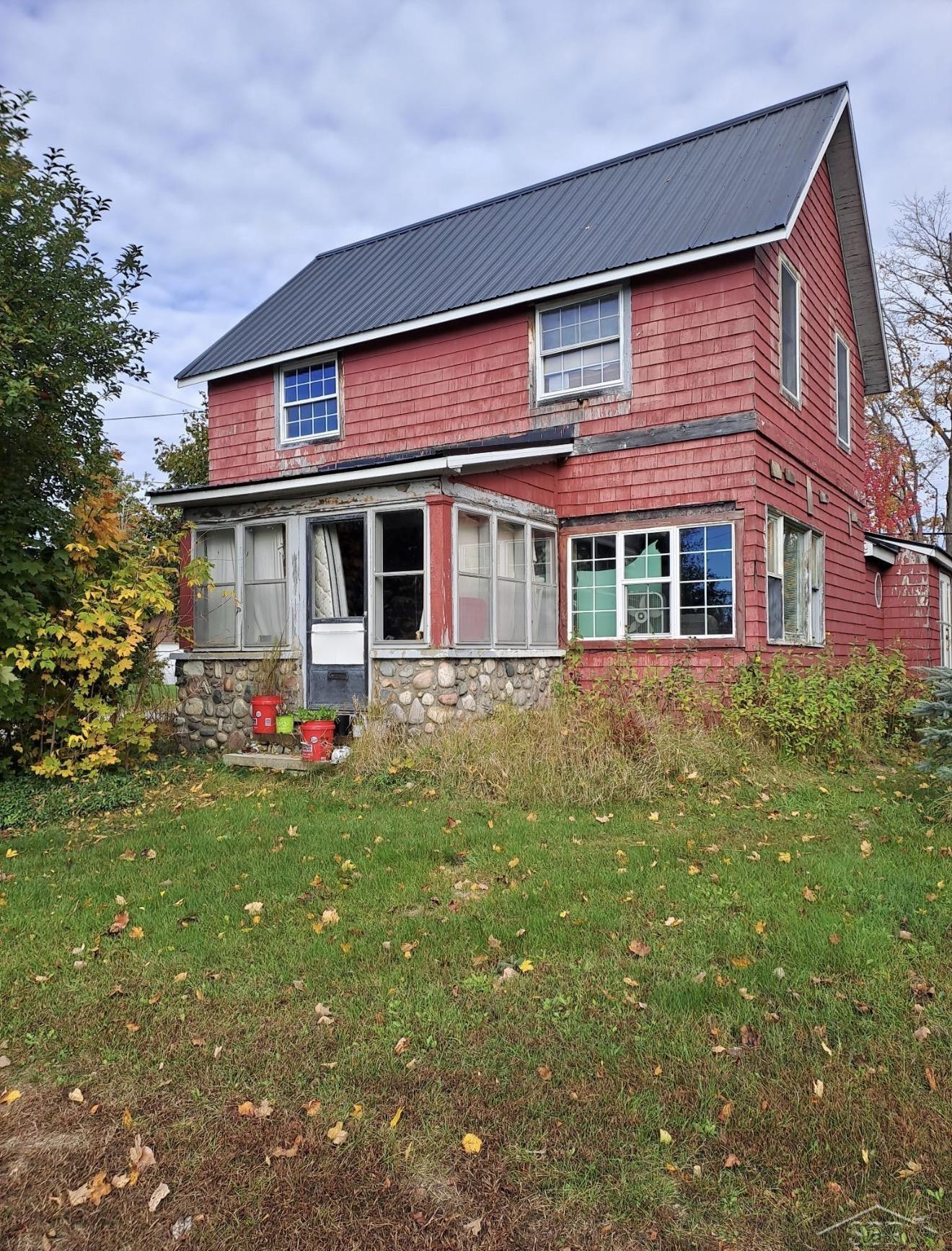
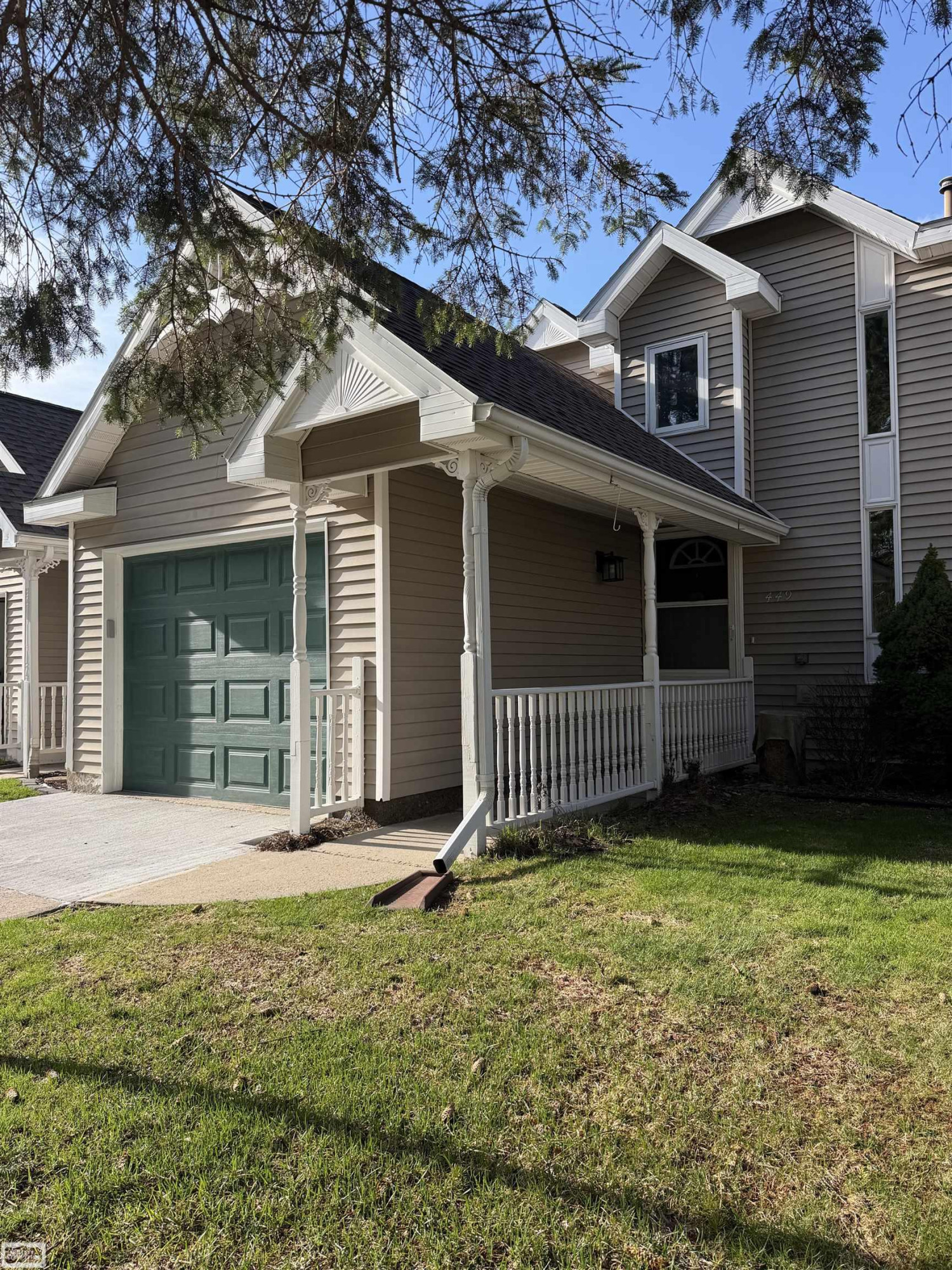
Filtered ZIPs: 48647 · · · · · · 49525
About Mio, Michigan
Mio is the county seat of Oscoda County and sits in the Au Sable River Valley in Northern Michigan. The community is unincorporated and recorded a 2020 CDP population of 1,690 across about 8.98 square miles, of which roughly seven percent is water. The Huron National Forest wraps the community on multiple sides, the Au Sable State Forest extends through the surrounding region, and the Oscoda County Park sits minutes from the village center.
The community was founded in 1881 and was originally called Mioe in honor of Marla Deyarmond, wife of town founder Henry Deyarmond. The first post office opened May 3, 1882, and the name was shortened to Mio on November 21, 1883. Co-founders included Colige Comins, Reirlo Fosdick, and John Randall — names that still echo across nearby places such as Comins.
Two later chapters shaped the area. In 1900 the first Amish settlers arrived from Geauga County, Ohio, and a new wave returned in 1970 to establish what became the fourth-oldest Amish community in the country — today about 400 people across three church districts. The community also holds the Michigan state record for highest recorded temperature, 112 degrees on July 13, 1936.
The local economy combines Oscoda County government and county-seat administrative functions, the Mio-AuSable school district, primary-care services drawing on Grayling and West Branch hospitals, and a year-round outdoor-recreation sector tied to the Au Sable River, the Huron National Forest, and Au Sable State Forest land. Seasonal cabin rentals, fly-fishing outfitting, hunting hospitality, and small-acreage Amish agriculture round out the mix. Because ZIP 48647 also serves portions of five surrounding townships, the trade area materially exceeds the CDP footprint.
Neighborhood Guide · Mio, MI
Mio Neighborhoods
The local residential geography spans the Au Sable River corridor, the historic village core along M-33, blocks feeding the Mio-AuSable campus, parcels bordering the Huron National Forest, the M-72 corridor, and rural townships served by ZIP 48647 — each carrying a different mix of riverfront access, forest adjacency, and walkability.
AuSable River Corridor
Homes along the Au Sable River make up the most recognizable residential pocket in the area, anchoring a year-round fishing and paddling economy that draws buyers from across Michigan and out of state. Inventory ranges from compact riverfront cabins to larger four-season homes on wooded parcels, with frontage, orientation, and floodplain status driving most of the price spread.
Walkability: Drive-oriented riverside lanes with private river access on most parcels; sidewalks are uncommon outside the village core.
Buyer fit: Common among buyers prioritizing river frontage, fly-fishing access, seasonal rental potential, and a quiet wooded setting within a short drive of the village — particularly second-home buyers and retirees relocating from Detroit and Grand Rapids metros.
Mio Village Core / M-33
The historic village center sits along M-33 where the highway crosses the Au Sable River — the original 1881 community footprint, surrounded by the post office, county-seat administrative buildings, and most of the local retail. Inventory leans toward early-twentieth-century single-family homes on compact platted lots, with newer infill mixed in. It is the most walkable pocket and the easiest entry point for buyers who want to be in town rather than on acreage.
Walkability: The most walkable pocket in the area — village services, the post office, and county offices reach within a short walk.
Buyer fit: Common among first-time buyers, retirees downsizing from acreage, and remote workers prioritizing walkable village character, lower lot-maintenance loads, and proximity to county-seat services.
Mio-AuSable Schools District
Residential blocks feeding into Mio-AuSable Jr/Sr High School cluster around the school campus and extend into adjacent subdivisions. The district draws from across the CDP and the townships served by ZIP 48647, giving families a wider housing search than the village core alone. Inventory leans toward mid-twentieth-century and newer single-family homes on quarter- to half-acre lots, many on platted streets with sidewalks and short drives to the village and river.
Walkability: Sidewalks throughout most subdivisions; the school campus and athletic fields reach by bicycle from many parcels.
Buyer fit: Common among families and multi-generational households prioritizing one consolidated district from elementary through senior high, walkable streets, and short drives to both the village and Au Sable River access points.
Huron National Forest Approach
Parcels approaching the Huron National Forest sit on the village edges, where private land transitions into federal forest. The Au Sable State Forest’s Grayling Forest Management Unit extends through the same area, so many parcels back directly to public land. Inventory ranges from year-round homes on one- to five-acre wooded lots to seasonal cabins built for hunting and snowmobile use; wells and septic are universal outside the village footprint.
Walkability: Drive-oriented; trail access from many parcels into the national forest and state forest networks.
Buyer fit: Common among out-of-state second-home buyers and retirees from Detroit, Lansing, and Ann Arbor metros prioritizing forest access, hunting and trail-riding lifestyles, and larger wooded lots.
M-72 Corridor
M-72 carries east-west traffic across Northern Michigan, connecting west toward Grayling and Traverse City and east toward Lake Huron. Residential parcels along this corridor spread across long road frontage rather than tight subdivisions. Inventory mixes mid-century single-family homes, manufactured housing on owned land, and newer builds on five- to ten-acre parcels — suiting buyers who want a faster east-west drive without giving up rural acreage.
Walkability: Drive-oriented rural highway frontage; safer cycling on adjacent township roads than on M-72 itself.
Buyer fit: Common among commuters working in Grayling or Tawas, remote workers needing reliable highway access, and buyers wanting acreage with shorter drives to regional services.
Greater Mio Township Rural
ZIP 48647 reaches well beyond the CDP into northern Mentor, northeastern Big Creek, much of Elmer, and smaller portions of Clinton and Comins townships. This broader rural footprint is where most large-acreage and Amish-farmed parcels sit. Inventory ranges from working small farms on twenty to eighty acres to seasonal homes on five- to ten-acre wooded lots, with pricing reflecting acreage, outbuildings, and proximity to either the river or the national forest.
Walkability: Drive-oriented rural township roads; gravel side roads connect many parcels to state forest land.
Buyer fit: Common among buyers prioritizing acreage, hobby farms or working agriculture, hunting land, and rural Oscoda County character — including out-of-state retirees, multi-generational rural-relocation families, and small-farm buyers.
Property Types in Mio
Single-Family Homes
Single-family housing is the dominant inventory across the CDP and the townships served by ZIP 48647. Stock spans early-twentieth-century village-core homes, mid-century ranches in school-district subdivisions, and newer builds on five- to twenty-acre wooded parcels along the highway corridors. Pricing follows lot size, water or forest adjacency, building condition, and well-and-septic age.
Condos & Townhouses
Condo and townhouse inventory is modest — a normal pattern for a county-seat community of this size — and supply turns over slowly. Most attached-housing options sit in or near the village core, suiting downsizing buyers, seasonal owners who want a lock-and-leave setup, and first-time buyers seeking lower exterior-maintenance loads.
New Construction
New construction in the area is modest and largely custom rather than tract-built. Most new homes go up on rural parcels — typically five to twenty acres — with well, septic, and propane setups. Build timelines run longer than metro markets because trades, materials, and permitting all run on a Northern Michigan schedule.
Investment Properties
The rental market is anchored by Au Sable River seasonal demand — fly-fishing, paddling, fall color, and hunting traffic — plus a smaller year-round rental pool tied to school, hospital, and county-government employees. Cash-on-cash returns vary widely by parcel; short-term rental potential depends heavily on river access, distance from public boat launches, and local township ordinances.
Waterfront Homes
The Au Sable River defines the area’s waterfront market. Frontage parcels carry a strong premium over inland comparables, and the practical price spread reflects orientation, water depth, fishing-water reputation, and floodplain status. Many waterfront parcels also back to state forest land — combining river access in front with permanent open space behind.
Luxury Homes
Higher-end inventory concentrates in two pockets — premier Au Sable River-adjacent homes with strong frontage and four-season construction, and larger rural-forest parcels of twenty acres or more with custom main residences plus outbuildings. Buyers at this tier are typically out-of-state second-home owners, retirees relocating from Detroit, Grand Rapids, and Lansing metros, and remote-work professionals.
Mio Schools & Education
The community is served by one consolidated public school district plus the broader Oscoda County mix of private and parochial options. Higher-education access runs through Kirtland Community College in Roscommon, with four-year programs at Central Michigan, Saginaw Valley State, and the University of Michigan within two-and-a-half hours.
Mio-AuSable Schools
The local public district serves the CDP and the surrounding townships covered by ZIP 48647 — northern Mentor, northeastern Big Creek, much of Elmer, and portions of Clinton and Comins. The consolidated campus operates Mio-AuSable Jr/Sr High School plus elementary instruction, keeping students in one district from kindergarten through senior year. Because the district draws from a multi-township footprint, families have unusually broad housing-search flexibility while staying inside the same district lines.
Private & Parochial Options
The broader Oscoda County area and the neighboring counties of Crawford, Iosco, and Alcona contain a small mix of private and parochial school options drawn from Catholic, Lutheran, and non-denominational Christian traditions, plus Amish-community schools tied to the three local church districts. Specific enrollment availability, tuition, and transportation arrangements vary year to year, and many families combine public-district enrollment with church-based supplemental programs.
Higher Education — Kirtland Community College
Kirtland Community College in Roscommon — about thirty minutes west — anchors regional higher-education access. The college offers transfer associate degrees, career and technical programs, and continuing-education courses, and partners with several four-year Michigan universities for upper-division coursework. For four-year residential study, Central Michigan, Saginaw Valley State, and the University of Michigan are reachable within ninety minutes to three hours.
School district boundaries cross municipal lines and assignments shift periodically. Confirm exact district assignment for any specific property with Edward — he verifies district and enrollment options as part of the buyer consultation.
Cost of Living & Property Taxes in Mio
One of the biggest advantages of Mio Michigan real estate is affordability relative to comparable metro areas. Here’s what it costs to live in Mio.
—
Avg. Home Price
$38,000
Median Household Income
—
Property Tax Rate
Property Taxes
Mio property taxes are calculated on a home’s taxable value — roughly 50% of market value in Michigan — multiplied by the local total millage rate (city or township + county + school + intermediate school district). Your exact tax depends on the specific property and jurisdiction within the Mio area; Edward provides a precise estimate for any home you’re considering.
If the home is your primary residence, file the Michigan Principal Residence Exemption (PRE) — it removes 18 mills (the local school operating millage) from your tax bill. On an average-priced Mio home, the PRE saves roughly $700 per year, typically 30–40% of total property taxes. The PRE is filed once at closing and stays in effect as long as you live in the home.
Cost Comparison
Michigan offers among the lowest costs of living in the Great Lakes region. Housing, property taxes, and — since the 2020 no-fault auto insurance reform — vehicle insurance all run below national averages, and Michigan has no local income tax in most jurisdictions. For buyers relocating from higher-cost metros, that combination means a given budget reaches noticeably further in Mio than in comparable out-of-state markets.
Within Mio, the real cost variable is neighborhood and property type rather than the city overall. Edward walks buyers through total monthly cost — mortgage, taxes, insurance, and utilities — for any specific Mio home so the comparison is grounded in real numbers, not averages.
Mio Market Trends
Understanding market trends helps buyers and sellers make better decisions in the Mio Michigan real estate market. Here’s what the data shows.
Key Trends for 2026
Prices rising steadily
Mio home values continue to appreciate, outpacing the national average.
Low inventory
Current supply is well below a balanced market (typically 4–6 months), meaning demand significantly exceeds available homes.
Fast-moving market
Well-priced homes in desirable neighborhoods sell in under 2 weeks. Buyers need pre-approval ready.
Spring/summer peak
Historically, Mio sees the strongest buyer activity from April through August.
New construction increasing
Developers are adding inventory in suburban areas, but supply still lags demand.
Mortgage Options for Mio Homebuyers
This is where Edward Kalavitz gives you an advantage no other Mio Realtor can match. As a dual-licensed Realtor AND Mortgage Loan Originator, Edward handles both your home search and your financing — saving you time, money, and the hassle of coordinating between multiple professionals.
FHA Loans
№ 013.5% down with credit scores as low as 580. The most popular choice for Mio first-time buyers. Lower down payment and more flexible qualification.
Conventional Loans
№ 023-20% down with credit scores of 620+. Competitive rates and no upfront mortgage insurance with 20% down. Best for buyers with strong credit.
VA Loans
№ 030% down for veterans and active military. No monthly PMI. The best loan program available — if you qualify, Edward will make sure you use it.
USDA Loans
№ 040% down — Mio city limits ARE USDA-eligible for zero-down loans. However, nearby communities in Oscoda County (Fairview, Comins, Luzerne, Curran, and Roscommon) ARE eligible for zero-down USDA loans. Income limits apply (typically 115% of area median income).
MSHDA Down Payment Assistance
№ 05Up to $10,000 in down payment help from the Michigan State Housing Development Authority. Income limits apply — Edward checks eligibility at your consultation.
Payment Calculator
№ 06See exactly what a Mio home costs per month. Try our free mortgage calculator or affordability calculator.
Buying a Home in Mio — Step by Step
Whether you’re a first-time buyer or experienced homeowner, here’s how to buy in the Mio Michigan real estate market with Edward Kalavitz handling both your Realtor and mortgage needs.
Get Pre-Approved (Free)
Call Edward at (616) 633-3692 or apply online. He’ll compare FHA, VA, USDA, and conventional options simultaneously and issue your pre-approval letter — typically within 24 hours. This tells sellers you’re a serious, qualified buyer.
Search Homes in Mio
With pre-approval in hand, Edward helps you search Mio neighborhoods that match your budget and lifestyle. As your Realtor, he can schedule showings, provide neighborhood insights, and run live payment scenarios as you tour homes.
Make an Offer & Negotiate
When you find the right home, Edward writes your offer with competitive terms informed by current Mio market data. In a fast-moving Mio market, having a Realtor who understands both the real estate and financing side gives you a strategic advantage.
Inspection, Appraisal & Closing
Edward manages the entire pipeline — home inspection coordination, appraisal ordering, title work, underwriting, and closing preparation. One point of contact through the entire process.
Welcome Home to Mio!
On closing day, you sign final documents and receive your keys. Edward ensures every number is accurate and every fee is verified. You’re now a Mio homeowner.
Edward’s Selling Advantage
Selling Your Home in Mio
Selling a home in Mio in 2026 rewards preparation. Accurate pricing from day one, professional presentation, and strategic timing are what separate listings that attract strong offers from those that linger on the market. Edward’s dual-license perspective — licensed Realtor and Mortgage Loan Originator — means he prices with both sides of the transaction in view, and can pre-qualify incoming buyers to keep your closing on track.
As your listing agent, Edward Kalavitz handles every step of the local selling process — comparative market analysis using current Mio comps in your specific neighborhood, professional pricing strategy informed by 25+ years of Michigan real estate experience, MLS listing on the Edward’s statewide MLS network (Water Wonderland Association, Realcomp II Limited, Northern Great Lakes MLS, MiRealSource, MichRIC, and Greater Lansing Association of REALTORS), professional photography and digital marketing, open house scheduling, offer negotiation, and full coordination through inspection, appraisal, and closing.
Most Mio sellers find that listing in April through August captures the strongest buyer activity — but well-priced homes sell year-round in this market.
Edward’s dual license as both a Michigan Realtor (#6501386956) and Mortgage Loan Originator (NMLS #138424) gives sellers a meaningful advantage that single-licensed agents simply can’t match.
When offers come in, Edward immediately vets each buyer’s financing strength with a lender’s eye — flagging weak pre-approvals before you accept an offer that might fall through, identifying buyers whose lock periods are about to expire, and reducing the risk of a deal collapsing in underwriting two weeks before close. In a fast market like Mio, fewer fall-throughs means faster, more certain closings.
Before you list, run the numbers. Edward’s Seller Net Sheet Calculator shows your estimated proceeds after agent commissions, title fees, transfer taxes, and remaining mortgage payoff — so you know exactly what you’ll walk away with before you sign a listing agreement. For a free home valuation and listing strategy consultation, call Edward at (616) 633-3692.
Edward’s Local Take on Mio

Twenty-five years working across Michigan, I’ve helped buyers in small county-seat communities where the river, the forest, and the school district shape where people want to live more than any subdivision name. This is a different decision than a metro purchase. Here’s how I help buyers think about it by priority, so the house you choose matches the lifestyle you came north for.
Edward Kalavitz
Watch: Meet Edward
Get to know Edward Kalavitz — learn how he helps Mio Michigan families buy, sell, and finance homes with dual-licensed real estate and mortgage expertise.
Nearby Cities
Exploring the Mio Michigan real estate market but open to nearby communities? These cities are all within a short drive and offer different price points and neighborhood character — explore each one’s listings below.
What Clients Say About Working with Edward
Edward is a dual-licensed Realtor & Mortgage Loan Originator. Reviews include clients from both his real estate and mortgage practices.
“Very Professional and Thorough”
“Edward is very professional and thorough. Had a great experience working with him. Everything went very smooth.”
“Great to Have 2 in 1”
“Ed was very responsive, knowledgeable, and made our first home buying experience great! He’s a relator and lender, which was great to have “2 in1”. We were able to look at houses and run number the same day. He was very flexible with times we needed to set up showings, as well as very informative and organized with paperwork! I appreciate his expertise greatly!”
“Works Hard 24/7”
“Ed is wonderful to work with! He is very thorough, experienced, and friendly. Ed works hard 24/7 to give you the best mortgage experience and is always able to help with whatever you need!”
“Above and Beyond”
“Edward is a great relator and loan officer. He helped my fiance and I buy our first home. We called him back when we were ready to sell and buy our forever home. He again went above and beyond to make the process swift and easy. I recommend him to my friends and family who are looking into buying, selling or refinacing their home!”
“Closing Came Sooner Than Anticipated”
“Edward was up front, professional and most helpful in first determining if I was a good candidate for a mortgage re-Fi. My case was Probably not the easiest , however, he made my “homework” manageable. The closing came sooner than anticipated , thanks to his perseverance, knowledge and professionalism .”
“Not Only My Realtor — My Friend”
“Edward was an excellent help in the most stressful time of my life. My son passed away in 2018 and I had to sell his home. Edward alleviated some stress by being patient, organized and communicated thoroughly the entire process. He not only was my realtor/loan officer but he was my friend! Highly recommend him for any home needs!”
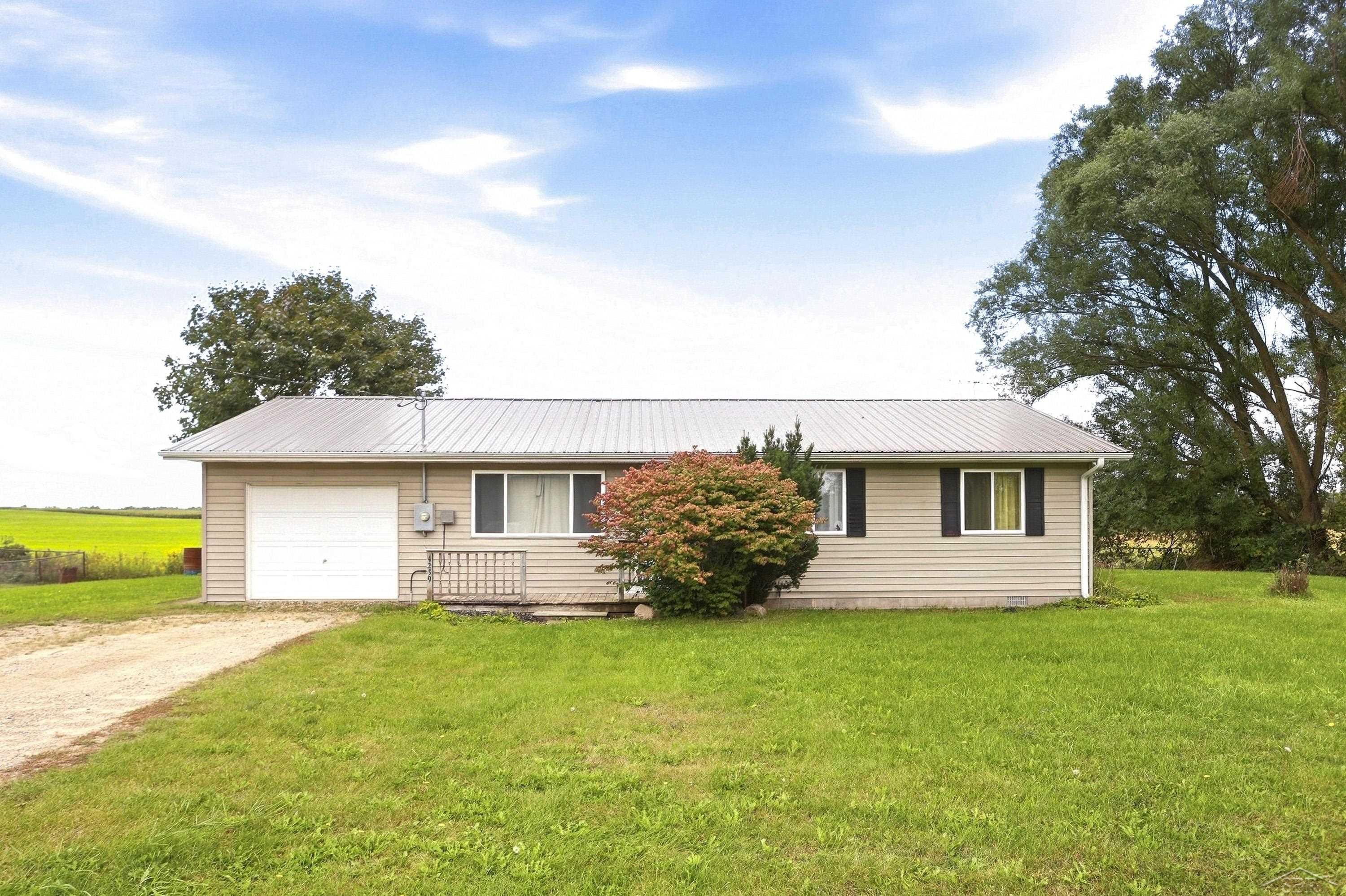
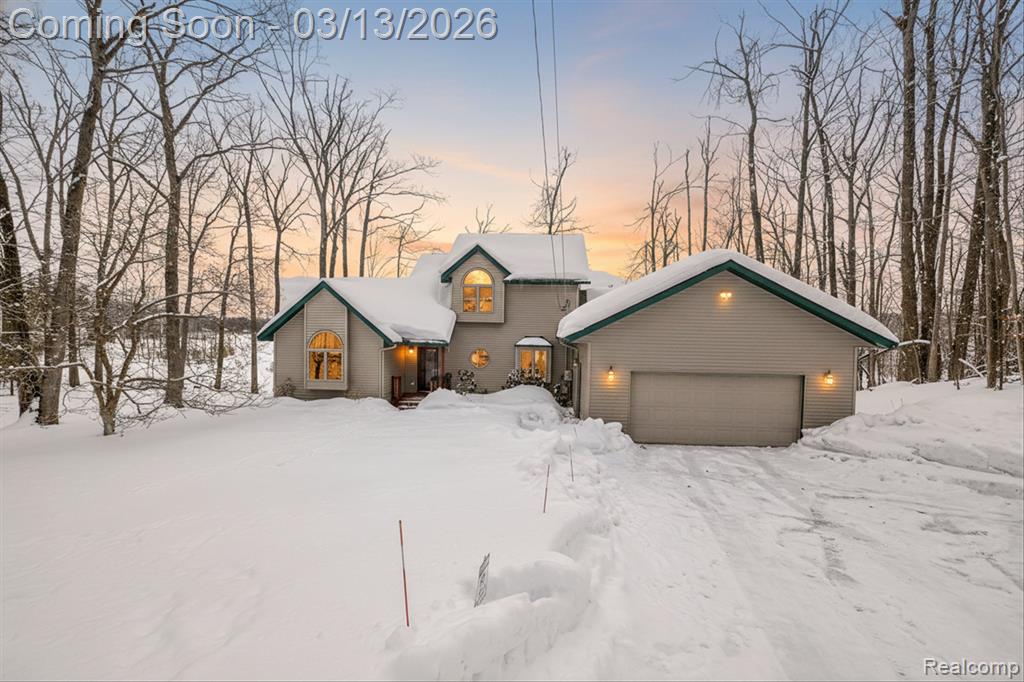
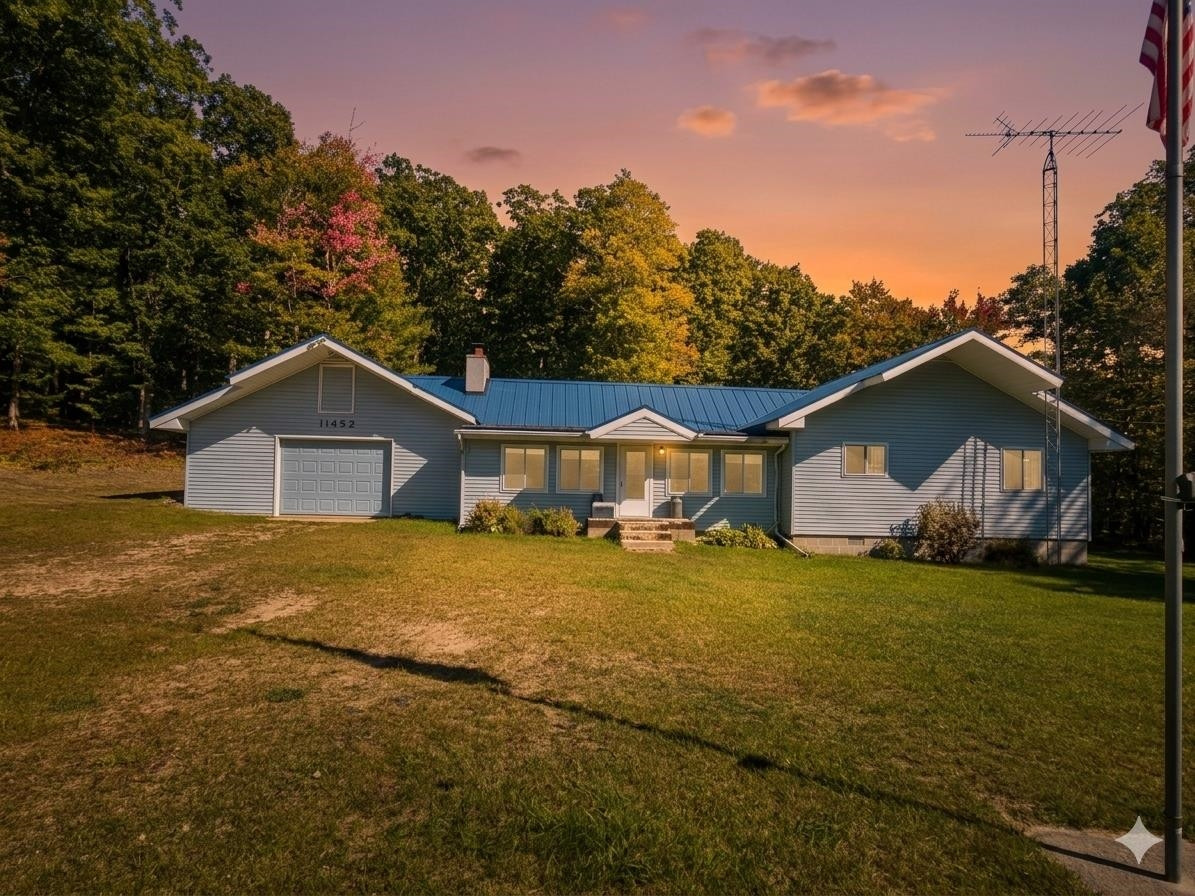
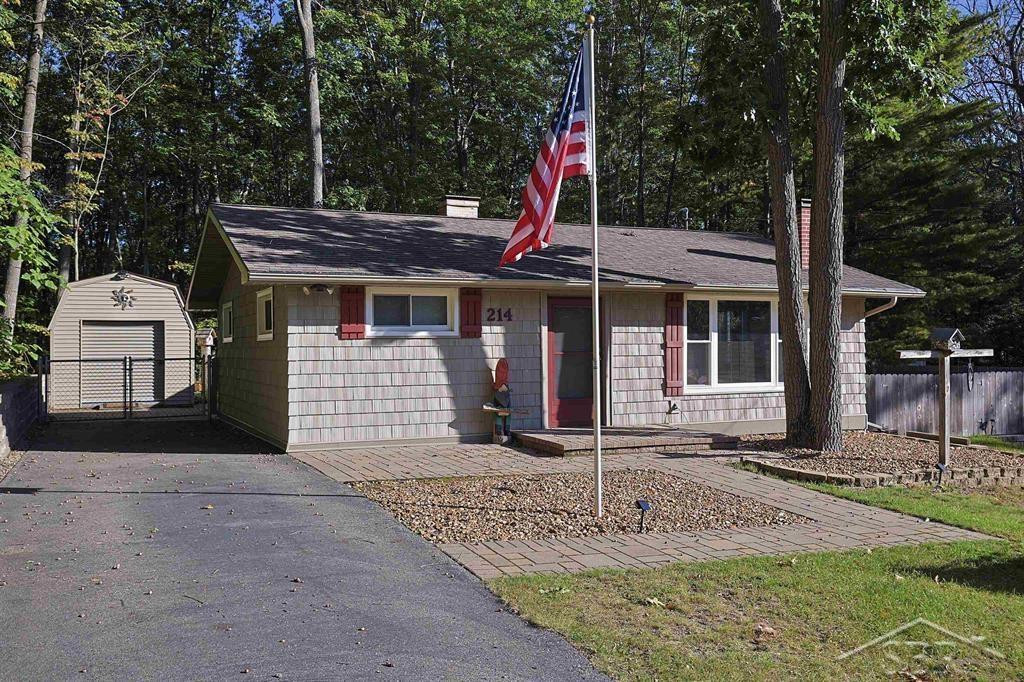
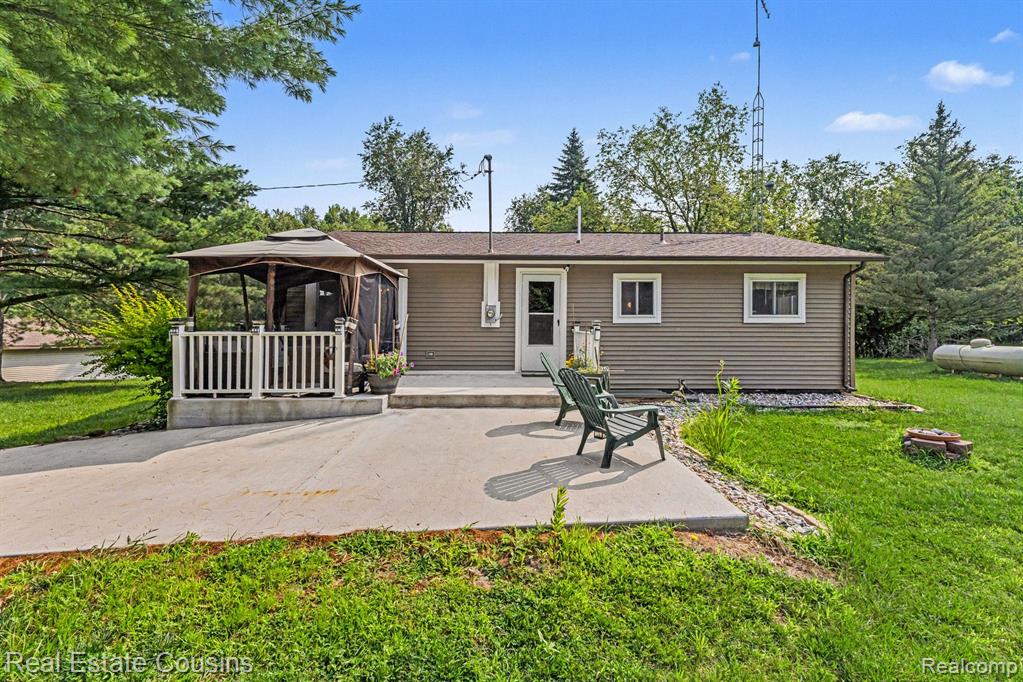
Recently Sold Homes in Mio

Mio Commute & Transportation
The area’s commute profile is built on two state highways — M-33 north-south and M-72 east-west — intersecting at the village. Regional connections run through Grayling for I-75 access and through Tawas, West Branch, and Houghton Lake for additional services.
M-33
M-33 is the primary north-south state highway through the village, running south toward Rose City and West Branch (and onto I-75) and north toward Onaway and the northern Lower Peninsula. For most local trips — county-seat business, school, river access points, and Huron National Forest approaches — M-33 is the spine of the road network.
M-72
M-72 carries east-west traffic across Northern Michigan, intersecting M-33 at the village center. The corridor runs west to Grayling — onto I-75 and US-127 — and continues to Traverse City; eastbound it routes toward Harrisville and the Lake Huron sunrise coast. For regional employment, hospital trips, and cross-state travel, M-72 is the most-used corridor.
Grayling Access
Grayling sits about thirty minutes west via M-72 and provides the nearest I-75 interchange, the nearest full-service hospital, and the nearest concentration of national-brand retail and dining. Many households treat Grayling as the regional service hub — particularly for connections south toward Saginaw and Lansing or north toward Gaylord and the Mackinac Bridge.
Regional Air Access
Cherry Capital Airport in Traverse City — roughly ninety minutes northwest — provides the closest scheduled commercial service. MBS International near Saginaw and Detroit Metropolitan (DTW) about two-and-a-half hours south offer larger flight networks. Small general-aviation fields in Roscommon and Oscoda counties serve private and charter operations close to home.
Where Mio Sits on the Map
Approximate drive times to other markets buyers commonly compare to Mio. Times reflect typical non-rush conditions; commute hours add 15–30%.
Mio Lifestyle, Entertainment & Recreation
Daily life centers on outdoor recreation, the county-seat civic rhythm, and small-town community continuity. The Au Sable River, the Huron National Forest, the surrounding Au Sable State Forest land, and nearby Rifle River State Recreation Area define most leisure time.
County Seat Civic Identity
As the seat of Oscoda County, the village hosts the courthouse, county administrative offices, and the central public services drawing residents from across the surrounding townships. This county-seat status concentrates civic life, public events, and small-business density in the village core in a way that pure townships do not match.
Au Sable River Recreation
The Au Sable River is the defining outdoor feature of the area — widely associated with trout fishing, including some of the most established fly-fishing water in the Midwest. The river also supports canoeing, kayaking, and the long-running Au Sable canoe-marathon tradition. Public access points, guide services, and outfitters cluster along the corridor through the warm months.
Huron National Forest & State Forest Land
The Huron National Forest surrounds the community, and the Au Sable State Forest’s Grayling Forest Management Unit extends through the same landscape. Together they support hunting, hiking, mushroom and berry foraging, ORV and snowmobile trail riding, dispersed camping, and wildlife viewing. The Oscoda County Park is minutes from the village, and Rifle River State Recreation Area sits nearby.
Northern Michigan Seasonal Character
The area runs a strong four-season cycle. Spring brings trout-season openers and morel hunting; summer fills river-corridor lodging and the Oscoda County Park; fall draws deer and grouse hunters plus color-tour traffic; and winter shifts to snowmobiling, ice fishing, and quiet seasonal residency. The Amish community contributes a distinct rural-craft and small-farm presence year-round.
Mio Healthcare & Medical Facilities
Healthcare runs through a layered regional model — local primary care and urgent care for routine needs, two regional hospitals within forty-five minutes for inpatient and emergency care, and tertiary academic systems within two-and-a-half hours for complex specialty care.
Munson Healthcare Grayling Hospital
Munson Healthcare Grayling Hospital sits about thirty minutes west via M-72 and is the closest full-service regional hospital — providing emergency services, inpatient care, surgery, maternity, imaging, and outpatient specialty clinics. The broader Munson network, anchored by Munson Medical Center in Traverse City, provides escalation paths for higher-acuity cases.
MyMichigan Medical Center – West Branch
MyMichigan Medical Center West Branch sits about forty-five minutes south via M-33 — a second regional hospital option offering emergency services, inpatient care, surgery, imaging, and outpatient specialty clinics. The larger MyMichigan network, anchored by the Midland medical campus, provides escalation within the same system.
Local Outpatient & Primary Care
The community is served by outpatient primary-care practices, family medicine offices, dental and optometry providers, and urgent-care access points in-village or nearby. Routine visits, chronic-condition management, prescriptions, and basic urgent issues are handled locally without the drive to Grayling or West Branch.
Tertiary Referral — Major Academic Systems
Complex specialty care — oncology subspecialties, advanced cardiac procedures, transplant programs, and quaternary pediatric care — routes to the major academic systems. The closest tertiary anchors are Munson Medical Center in Traverse City and the University of Michigan in Ann Arbor. Most patients access these through coordinated referrals from local primary care.
New Listings This Week in Mio
Mio Real Estate FAQ
QWhat is the average home price in Mio, Michigan?
Mio home pricing varies substantially by area — based on current MLS market activity, broader residential blocks run $160K-$380K, with AuSable River shoreline reaching $520K+. (Note: the city’s data in the live municipal-statistics dashboard is being re-verified — Edward provides a precise, current market read for any specific Mio property or street.)
QWhat school district is Mio, Michigan in?
Mio is served by Mio-AuSable Schools — operating Mio-AuSable Jr/Sr High School. District assignment is property-specific.
QIs Mio, Michigan eligible for USDA loans?
Portions of Mio and the surrounding area ARE USDA-eligible. Eligible nearby communities include Fairview, Comins, Luzerne, Curran, and Roscommon. Eligibility is property-specific.
QHow long do homes typically stay on the market in Mio?
Well-priced Mio homes in active neighborhoods can sell in two to four weeks; mispriced inventory sits much longer. The key is accurate pricing from day one — Edward’s 25+ years across Michigan markets prevents the price-cut cycle that costs sellers thousands in final net.
QShould I use a Realtor or sell my home myself (FSBO)?
For most Mio sellers, working with a licensed Realtor produces a higher final net after accounting for commission. National Association of Realtors data consistently shows FSBO transactions close at lower prices with more contingency complications. Edward’s dual-license advantage means he can pre-approve qualified buyers directly — which speeds closings, reduces fall-through risk, and gives you better negotiating leverage.
QWhat’s the financing process for buying a home in Mio?
Step 1 — Get pre-approved (Edward can pre-approve you directly as a licensed Mortgage Loan Originator, NMLS #138424). Step 2 — Shop within your approved price range. Step 3 — Submit an offer with pre-approval letter attached. Step 4 — Home inspection plus appraisal. Step 5 — Loan underwriting and conditions. Step 6 — Closing. Edward handles both Realtor and Mortgage sides for Mio buyers — eliminating the coordination friction that delays most transactions.
QWhy choose Edward Kalavitz for Mio real estate?
Edward is dual-licensed as both a Michigan Realtor (#6501386956) and Mortgage Loan Originator (NMLS #138424). One expert handles your pre-approval, home search, offer, AND financing — eliminating the back-and-forth that delays most transactions. 25+ years of experience across Michigan’s six MLS networks (Water Wonderland Association, Realcomp II Limited, Northern Great Lakes MLS, MiRealSource, MichRIC, and Greater Lansing Association of REALTORS) gives statewide listing reach unmatched by single-MLS competitors.
Buy or Sell in Mio with Edward Kalavitz
Dual-licensed Realtor & Mortgage Loan Originator — one trusted professional for your entire transaction.
Available When You Need Answers
Real estate questions don’t wait for business hours — and neither does Edward Kalavitz.

