
Michigan Self-Employed Mortgage
Expert guidance on Michigan Self-Employed Mortgage from Edward Kalavitz — dual-licensed Michigan Realtor and Mortgage Loan Originator with 25+ years of experience helping Michigan families.
Realtor License #6501386956 | Turnkey Realty LLC • NMLS #138424 | Private Mortgage Guarantee LLC
In This Guide
- Today’s Mortgage Rates
- Weekly Rates Email
- Michigan Mortgage Advisor
- Browse Active Homes
- What Is a Michigan Self-Employed Mortgage?
- Why Is Getting a Michigan Self-Employed…
- Michigan Self-Employed Mortgage Loan Options
- Michigan Self-Employed Mortgage Requirements
- Documentation for Michigan Self-Employed…
- Benefits and Considerations
- How to Apply for a Michigan Self-Employed…
- Tips for Michigan Self-Employed Mortgage…
- Michigan-Specific Considerations
- Watch: Meet Edward
- What Clients Say
- FAQ
- Available Hours
Mortgage Rates in Michigan
Competitive pricing personalized to your scenario. Rates shown reflect 740+ credit, 30-year fixed terms unless noted.
Purchase Loans
Conventional Purchase
15-Year Conventional
FHA 30-Year Purchase
VA 30-Year Purchase
USDA Purchase & Refinance
USDA 30-Year Purchase
FHA Streamline Refi
Conventional Refinance
Jumbo & High-Balance
Jumbo / High-Balance
Want Weekly Michigan Mortgage Rate Updates?
Get current rates delivered every Tuesday morning. Stay informed without checking rate sites all week.
From Edward Kalavitz, NMLS #138424. Unsubscribe anytime.
Not Sure Which Loan You Qualify For?
See the rates. Not sure which loan fits your situation? The Michigan Mortgage Advisor answers that in 60 seconds — analyzing your credit, down payment, and goals to recommend the best loan program and show you your real monthly payment on a Michigan home.
- Instant loan-type recommendation — FHA, VA, USDA, or Conventional
- Live rate and APR for your exact scenario
- Michigan-specific closing cost estimate
- No credit check required to start
Best-fit loan: matched to you
Your down payment
Your real monthly payment principal + interest
Your actual recommendation is calculated live based on your inputs.
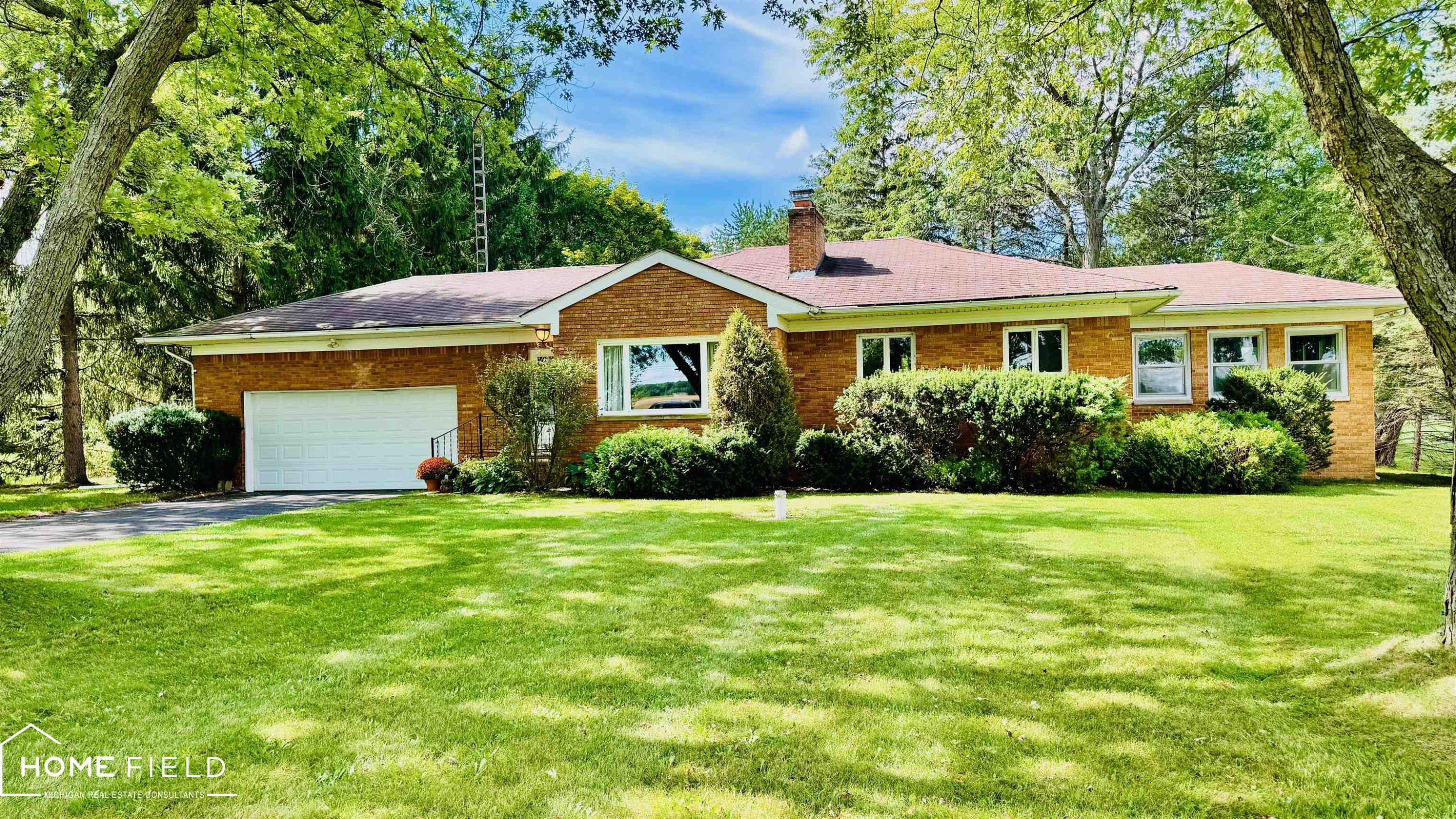
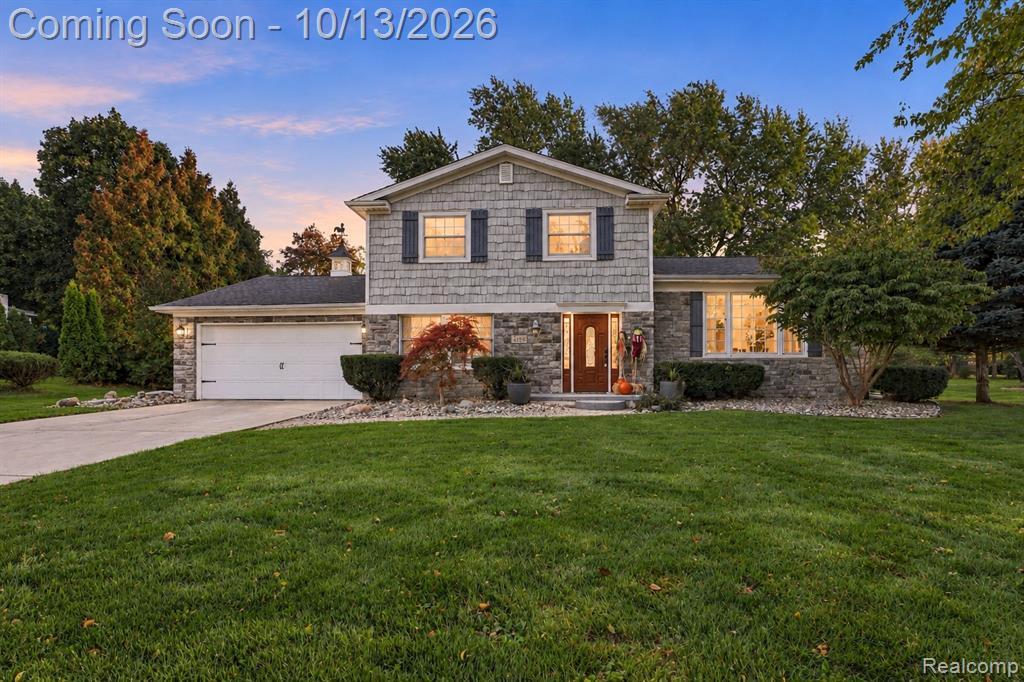
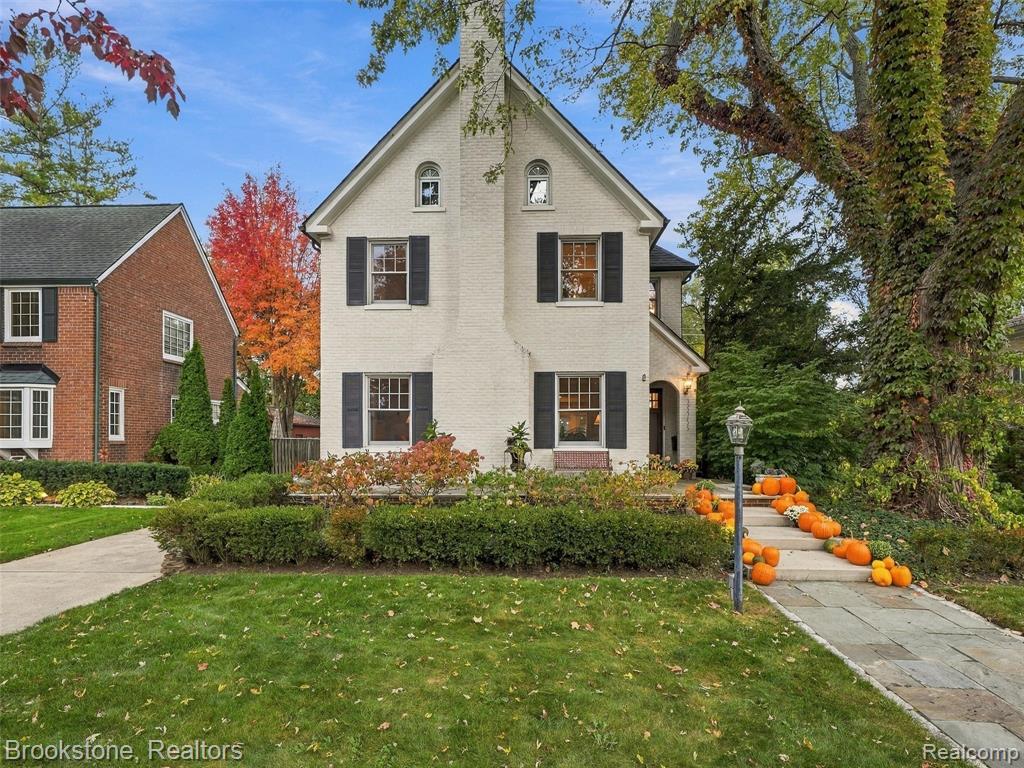
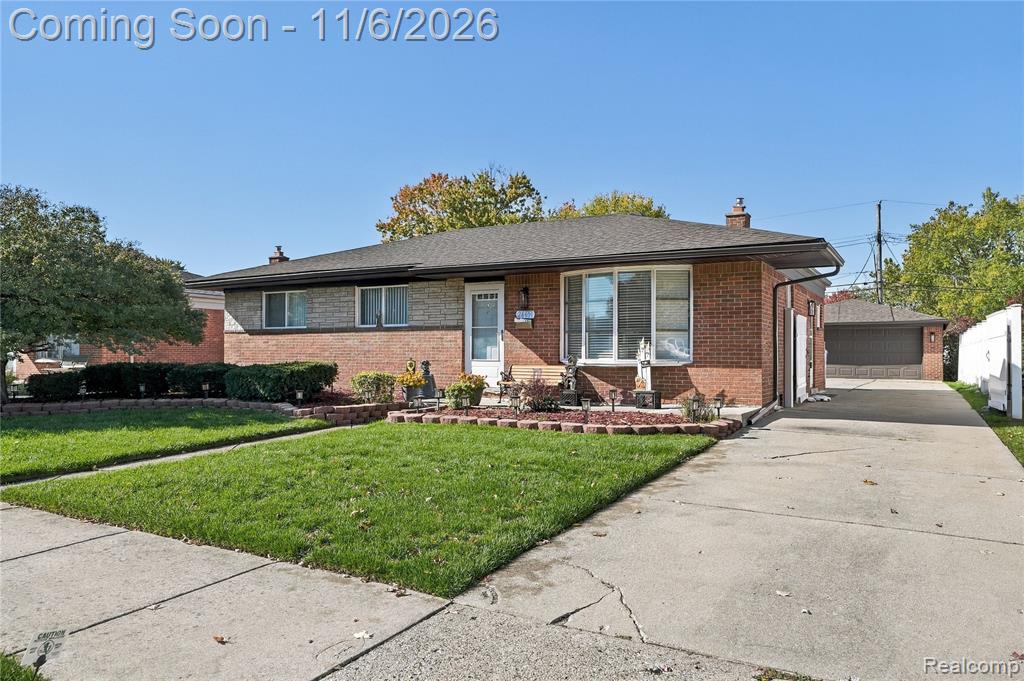
Browse Active Michigan Homes
 New Listing
$294,900
 Open House
$1,050,000
 New Listing
$510,000
 New Listing
$250,000
 New Listing
Open House
$264,000
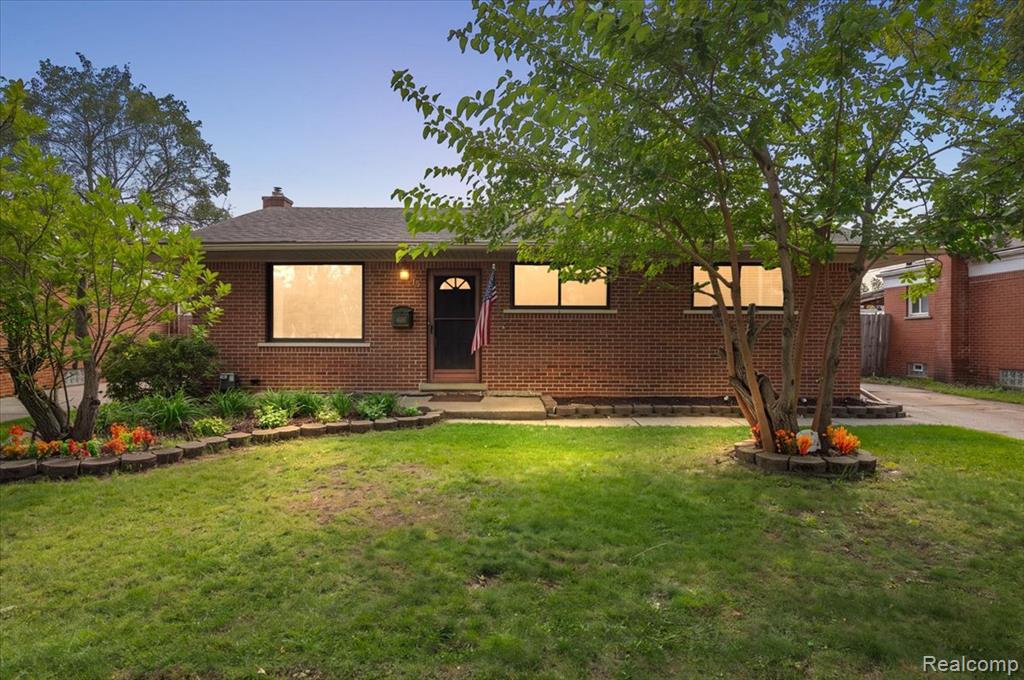
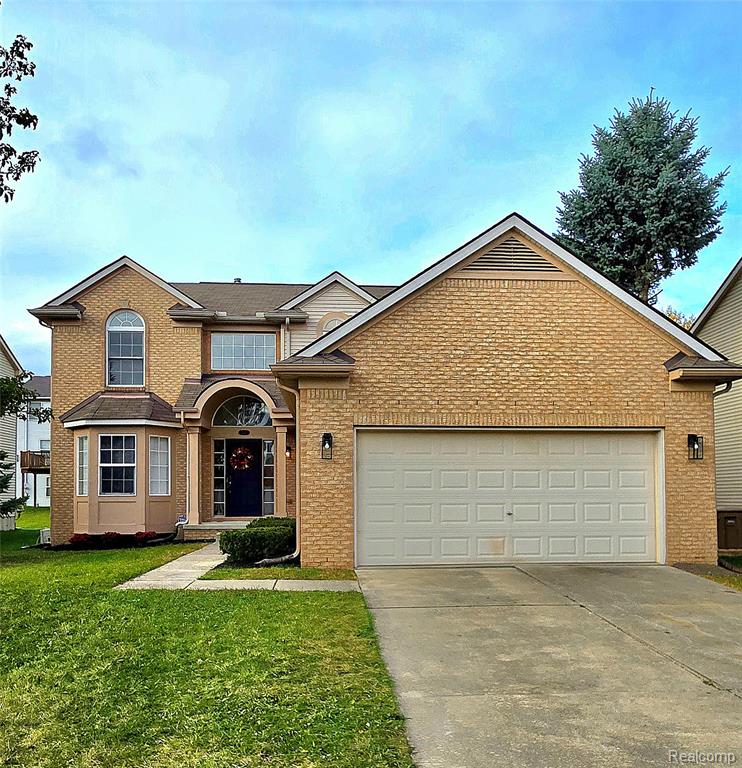
Browsing active listings early helps you set a realistic budget before you apply, which is useful when self-employed income takes a few extra steps to document.

Michigan Self-Employed Mortgage expert Edward Kalavitz
Realtor & Mortgage Expert
What Is a Michigan Self-Employed Mortgage?
A Michigan self-employed mortgage is a home loan designed for borrowers who work for themselves rather than receiving W-2 income from an employer. This includes freelancers, business owners, independent contractors, gig workers, and anyone who receives 1099 income.
As your Michigan real estate expert, I specialize in helping self-employed borrowers navigate the loan process throughout all 83 Michigan counties. Whether you’re a first-time home buyer or looking to refinance, I work with lenders who understand self-employed income and offer the right Michigan self-employed mortgage programs.
Getting a Michigan self-employed mortgage can be more challenging than traditional financing because lenders verify income differently. However, with the right loan program and documentation, self-employed borrowers have multiple paths to homeownership. According to the U.S. Small Business Administration, self-employed individuals represent a growing and significant portion of Michigan’s workforce.
💡 Pro Tip for Michigan Self-Employed Mortgage Applicants
Don’t assume you can’t qualify because of tax write-offs. I work with lenders who offer bank statement loans and other programs specifically designed for business owners. There are solutions—you just need to work with someone who knows where to find them.
Why Is Getting a Michigan Self-Employed Mortgage Harder?
Traditional lenders want to see W-2 income that’s easy to verify, but self-employed individuals have variable income, business write-offs, and complex tax returns. Check your credit score requirements and debt-to-income ratio before applying.
With 25+ years on both the real estate and mortgage sides of Michigan transactions, Edward Kalavitz helps self-employed borrowers turn hard-to-document income into a clear path to approval. Every consultation is free and available seven days a week.
The main challenge is that tax deductions work against you. As a business owner, you minimize taxable income to reduce your tax bill—but lenders use that lower taxable income to determine how much you can borrow. A business owner earning $150,000 gross might show only $80,000 on their tax return after deductions, significantly limiting borrowing power on a Michigan self-employed mortgage.
Common Challenges for Applicants
- Lower Qualifying Income: Business deductions reduce taxable income used for qualification
- More Documentation: 2 years of tax returns, P&L statements, bank statements required
- Income Fluctuation: Variable income may be averaged or the lower year used
- Business Viability: Lenders want 2+ years of self-employment history
Michigan Self-Employed Mortgage Loan Options
As a self-employed borrower in Michigan, you have several loan options. The right choice depends on your income documentation, credit score, and down payment. Review all Michigan loan programs to find the best fit.
1. Bank Statement Loans (Most Popular)
Bank statement loans are the most popular option for Michigan self-employed mortgage applicants with significant write-offs. Instead of tax returns, lenders use your actual bank deposits to calculate qualifying income.
| Feature | Details |
|---|---|
| Documentation | 12–24 months personal or business bank statements |
| Income Calculation | Average monthly deposits (minus transfers) |
| Down Payment | 10–20% minimum |
| Credit Score | 620–680+ depending on lender |
| Best For | Business owners with high write-offs and strong cash flow |
Because these loans weigh deposits rather than tax returns, keeping clean, consistent business banking makes a real difference in the income you can qualify with.
2. Traditional Loans (FHA, VA, Conventional, USDA)
Self-employed borrowers can qualify for the same programs as W-2 employees for a Michigan self-employed mortgage. You’ll need 2 years of tax returns showing consistent or increasing income.
- FHA Loans—3.5% down, 580+ credit score, great for first-time buyers
- VA Loans—0% down for eligible veterans
- Conventional Loans—3–5% down, best rates for good credit
- USDA Loans—0% down for rural Michigan properties
If your tax returns already show steady income, traditional financing is usually the most affordable route, at the same rates a W-2 borrower would receive.
3. Non-QM Loan Options
If you don’t qualify for traditional financing, non-QM loans offer flexible alternatives:
- Bank statement loans—Use deposits instead of tax returns
- Asset depletion loans—Qualify using assets instead of income
- DSCR loans—For investment properties, qualify on rental income
Michigan Self-Employed Mortgage Requirements
Here are the typical requirements for a Michigan self-employed mortgage. Use our mortgage calculator to estimate your payments:
| Requirement | Traditional Loans | Bank Statement Loans |
|---|---|---|
| Self-Employment History | 2 years (1 year possible) | 1–2 years |
| Credit Score | 580–620+ depending on loan type | 620–680+ |
| Down Payment | 0–3.5% (varies by program) | 10–20% |
| Documentation | 2 years tax returns, P&L | 12–24 months bank statements |
| Debt-to-Income Ratio | 43–50% | 43–50% |
Few self-employed borrowers tick every box on these tables perfectly; the goal is matching the program whose requirements line up with your strongest documentation.
Documentation for Michigan Self-Employed Mortgage
Be prepared to provide more documentation than a W-2 employee when applying for a Michigan self-employed mortgage. Learn about employment verification requirements before you start.
📄 For Traditional Loans
Using tax returns
- 2 years personal tax returns (all schedules)
- 2 years business tax returns (if applicable)
- Year-to-date profit & loss statement
- Business license or CPA letter
- 2 months bank statements
- Standard docs (ID, asset statements)
💳 For Bank Statement Loans
No tax returns required
- 12–24 months bank statements
- Business license or CPA letter
- 2 months asset statements
- Signed 4506-C (tax transcript request)
- Photo ID
- No tax returns required!
⚠️ Keep Business and Personal Finances Separate
Having separate business and personal bank accounts makes your Michigan self-employed mortgage application much smoother. Co-mingled funds may require additional documentation or reduce your qualifying income percentage on a bank statement loan.
Benefits and Considerations
✓ Advantages
- ✓Multiple loan program options
- ✓Bank statement loans don’t need tax returns
- ✓Can qualify with 1 year self-employment
- ✓Down payments as low as 10%
- ✓Competitive interest rates available
- ✓Can use business income
- ✓1099 income programs available
- ✓Asset-based options for high net worth
⚠️ Considerations
- ⚠More documentation required
- ⚠Bank statement loans have higher rates
- ⚠Larger down payment may be needed
- ⚠Tax deductions reduce qualifying income
- ⚠Need 1–2 years self-employment history
- ⚠Income calculation can be complex
How to Apply for a Michigan Self-Employed Mortgage
Here’s my step-by-step process for your Michigan self-employed mortgage. Learn more about the full Michigan mortgage process:
- Review Tax Returns & Bank Statements: I’ll analyze your financials to determine qualifying income under different programs
- Compare Loan Programs: We’ll compare traditional loans vs. bank statement loans to find the best fit for your situation
- Get Pre-Approved: Once we identify the best program, I’ll get you pre-approved in 24–48 hours
- Find Your Home: Shop with confidence knowing your financing is ready
- Submit Full Application: Complete documentation and underwriting review
- Close on Your Home: Review closing costs, sign documents, and get your keys
Most of the work happens in the first two steps. Once we identify the income figure that qualifies you, the rest of a Michigan self-employed mortgage moves quickly.
Check current Michigan mortgage rates and use our mortgage calculator to estimate payments on different scenarios.
Tips for Michigan Self-Employed Mortgage Approval
✓ DO
- ✓Keep Good Records: Organized finances make documentation easier and faster
- ✓Plan Ahead: Talk to a mortgage professional before filing taxes—deductions that save on taxes can hurt your qualifying income
- ✓Save for a Larger Down Payment: 15–20% gives you more program options; also explore down payment assistance
- ✓Separate Business & Personal: Maintain separate bank accounts at all times
- ✓Maintain Good Credit: Pay bills on time and keep credit card balances low
✗ DON’T
- ✗Make Big Business Changes: Don’t change your business structure during the loan process
- ✗Mix Funds: Avoid co-mingling business and personal finances
- ✗Give Up: Different lenders have different programs—options exist for every situation
- ✗Make Large Unexplained Deposits: These raise red flags and require documentation
Who Qualifies for a Michigan Self-Employed Mortgage?
Every self-employed borrower has a unique situation. Here are the types of professionals I regularly help:
Small Business Owners
Whether you own an LLC, S-Corp, or sole proprietorship, I understand how business income flows to your personal taxes and how to maximize qualifying income for a Michigan self-employed mortgage. Bank statement programs work exceptionally well for business owners with high write-offs.
Freelancers and 1099 Contractors
If you work with multiple clients and receive 1099 income, you can qualify for a Michigan self-employed mortgage using bank statements or tax returns. Consultants, designers, writers, and IT contractors all qualify under the right program.
Tradespeople and Gig Workers
Electricians, plumbers, builders, and other trades professionals often benefit from bank statement programs. Gig economy workers can also qualify with proper documentation of their income history.
Real Estate Investors
Investors with rental income can use DSCR loans or traditional programs. DSCR loans qualify based on the property’s rental income rather than your personal income—no personal income documentation required at all.
✓ Michigan Self-Employed Mortgage Rates
If you qualify for traditional financing using tax returns, your Michigan self-employed mortgage rate will be identical to what a W-2 borrower receives. Bank statement programs typically carry rates 0.5% to 1.5% higher, but they make homeownership accessible for borrowers who wouldn’t otherwise qualify.
Additional Resources
- Michigan Real Estate FAQ—Common questions answered
- Real Estate Glossary—Understand mortgage terms
- Mortgage Resources—Guides and tools
- Closing Costs Guide—What to expect at closing
- About Michigan Self-Employed Mortgage expert Edward Kalavitz—Your Michigan real estate expert
These guides cover the details, but a short conversation is usually the fastest way to find the self-employed mortgage option that fits your situation.
Verify my license at NMLS Consumer Access.
Self-Employed Mortgage: Michigan-Specific Considerations
Michigan has a thriving entrepreneurial community with thousands of self-employed professionals, freelancers, and small business owners. The Michigan State Housing Development Authority (MSHDA) provides homeownership resources for all Michigan residents including self-employed borrowers.
Edward has helped self-employed Michigan borrowers across Grand Rapids, Kalamazoo, Detroit, Traverse City, and all 83 Michigan counties secure mortgage financing for 25+ years. The most common challenge for self-employed Michigan borrowers is that tax write-offs reduce their reported income, making it difficult to qualify through traditional lending even though their actual cash flow supports the payments.
The right fit might be a bank statement loan, a non-QM loan, an asset depletion loan, or traditional financing with a sound documentation strategy. As a dual-licensed Realtor (License #6501386956) and Mortgage Loan Originator (NMLS #138424), Edward Kalavitz matches you to the program that best reflects your true income and buying power.
Talk to Edward Kalavitz About Michigan Self-Employed Mortgage
25+ years of Michigan experience. Dual-licensed Realtor and Mortgage Loan Originator. Free consultation, available 7 days a week.
Get Pre-Approved Free Contact Edward Call (616) 633-3692Watch: Meet Edward
Get to know Edward Kalavitz — one dual-licensed professional handling both the real estate and the mortgage side of your Michigan home purchase or refinance.
What Clients Say About Working with Edward
Edward is a dual-licensed Realtor & Mortgage Loan Originator. Reviews include clients from both his real estate and mortgage practices.
“Very Professional and Thorough”
“Edward is very professional and thorough. Had a great experience working with him. Everything went very smooth.”
— Susan Parsley | Google Review
“Works Hard 24/7”
“Ed is wonderful to work with! He is very thorough, experienced, and friendly. Ed works hard 24/7 to give you the best mortgage experience and is always able to help with whatever you need!”
— Justin Schneider | Google Review
“Great to Have 2 in 1”
“Ed was very responsive, knowledgeable, and made our first home buying experience great! He’s a relator and lender, which was great to have “2 in1”. We were able to look at houses and run number the same day. He was very flexible with times we needed to set up showings, as well as very informative and organized with paperwork! I appreciate his expertise greatly!”
— Mallory Anderson | Google Review
“Above and Beyond”
“Edward is a great relator and loan officer. He helped my fiance and I buy our first home. We called him back when we were ready to sell and buy our forever home. He again went above and beyond to make the process swift and easy. I recommend him to my friends and family who are looking into buying, selling or refinacing their home!”
— Anthony Smolenski | Google Review
“Closing Came Sooner Than Anticipated”
“Edward was up front, professional and most helpful in first determining if I was a good candidate for a mortgage re-Fi. My case was Probably not the easiest , however, he made my “homework” manageable. The closing came sooner than anticipated , thanks to his perseverance, knowledge and professionalism .”
— Dennis Bowman | Refinance Client | Google Review
“Not Only My Realtor — My Friend”
“Edward was an excellent help in the most stressful time of my life. My son passed away in 2018 and I had to sell his home. Edward alleviated some stress by being patient, organized and communicated thoroughly the entire process. He not only was my realtor/loan officer but he was my friend! Highly recommend him for any home needs!”
— Paula Hilliard | Google Review
Michigan Self-Employed Mortgage FAQ
QHow do I qualify for a Michigan self-employed mortgage?
To qualify for a Michigan self-employed mortgage, you typically need 1–2 years of self-employment history, a credit score of 620+, and documentation such as tax returns or bank statements. Bank statement loans allow you to qualify using deposits instead of tax returns, ideal if you have significant business write-offs.
QWhat credit score do I need for a Michigan self-employed mortgage?
Credit requirements vary by loan type. FHA loans allow 580+, conventional typically requires 620+, and bank statement loans usually require 620–680+. Higher credit scores get better rates on any Michigan self-employed mortgage program.
QCan I get a Michigan self-employed mortgage with only 1 year in business?
It’s possible but more difficult with only 1 year in business. Most programs require 2 years of self-employment. However, if you have prior W-2 experience in the same industry, some lenders may accept 1 year of history for a Michigan self-employed mortgage.
QWhat is a bank statement loan for self-employed borrowers?
A bank statement loan uses 12–24 months of bank deposits to calculate income instead of tax returns. Lenders typically use 50–90% of your average monthly deposits as qualifying income. This is the most popular Michigan self-employed mortgage option for business owners with high write-offs.
QHow much down payment do I need for a Michigan self-employed mortgage?
Down payment requirements vary by program. Traditional loans offer 0–3.5% down options. Bank statement loans typically require 10–20% down. Also explore down payment assistance programs that self-employed borrowers can qualify for on a Michigan self-employed mortgage.
QWhat documents do I need for a Michigan self-employed mortgage?
For a traditional program, you’ll need 2 years of personal and business tax returns, a year-to-date profit & loss statement, business license, and bank statements. For a bank statement Michigan self-employed mortgage, you only need 12–24 months of bank statements and a business license—no tax returns required.
QAre Michigan self-employed mortgage rates higher than regular mortgages?
If you qualify for traditional financing using tax returns, your Michigan self-employed mortgage rate will be the same as W-2 borrowers. Bank statement loans typically have rates 0.5% to 1.5% higher due to alternative documentation, but they make homeownership possible for many who wouldn’t otherwise qualify.
Buy or Sell a Michigan Home with Edward Kalavitz
Dual-licensed Realtor & Mortgage Loan Originator — one trusted professional for your entire Michigan transaction.
Available When You Need Answers
Real estate questions don’t wait for business hours — and neither does Edward Kalavitz.

