
Michigan Refinance Mortgage
Expert guidance on Michigan Refinance Mortgage from Edward Kalavitz — dual-licensed Michigan Realtor and Mortgage Loan Originator with 25+ years of experience helping Michigan families.
Realtor License #6501386956 | Turnkey Realty LLC • NMLS #138424 | Private Mortgage Guarantee LLC
In This Guide
- Today’s Mortgage Rates
- Weekly Rates Email
- Michigan Mortgage Advisor
- Browse Active Homes
- What Is a Michigan Refinance Mortgage?
- Why Refinance Your Michigan Mortgage?
- Types of Michigan Refinance Mortgages
- Rate-and-Term Refinance in Michigan
- Cash-Out Refinance in Michigan
- Streamline Refinance Options in Michigan
- Michigan Refinance Mortgage Requirements
- Michigan Refinance Mortgage Costs
- Break-Even Analysis: Is Your Michigan…
- The Michigan Refinance Mortgage Process
- Michigan Refinance Mortgage Market…
- Watch: Meet Edward
- What Clients Say
- FAQ
- Available Hours
Mortgage Rates in Michigan
Competitive pricing personalized to your scenario. Rates shown reflect 740+ credit, 30-year fixed terms unless noted.
Purchase Loans
Conventional Purchase
15-Year Conventional
FHA 30-Year Purchase
VA 30-Year Purchase
USDA Purchase & Refinance
USDA 30-Year Purchase
FHA Streamline Refi
Conventional Refinance
Jumbo & High-Balance
Jumbo / High-Balance
Want Weekly Michigan Mortgage Rate Updates?
Get current rates delivered every Tuesday morning. Stay informed without checking rate sites all week.
From Edward Kalavitz, NMLS #138424. Unsubscribe anytime.
Not Sure Which Loan You Qualify For?
See the rates. Not sure which loan fits your situation? The Michigan Mortgage Advisor answers that in 60 seconds — analyzing your credit, down payment, and goals to recommend the best loan program and show you your real monthly payment on a Michigan home.
- Instant loan-type recommendation — FHA, VA, USDA, or Conventional
- Live rate and APR for your exact scenario
- Michigan-specific closing cost estimate
- No credit check required to start
Best-fit loan: matched to you
Your down payment
Your real monthly payment principal + interest
Your actual recommendation is calculated live based on your inputs.
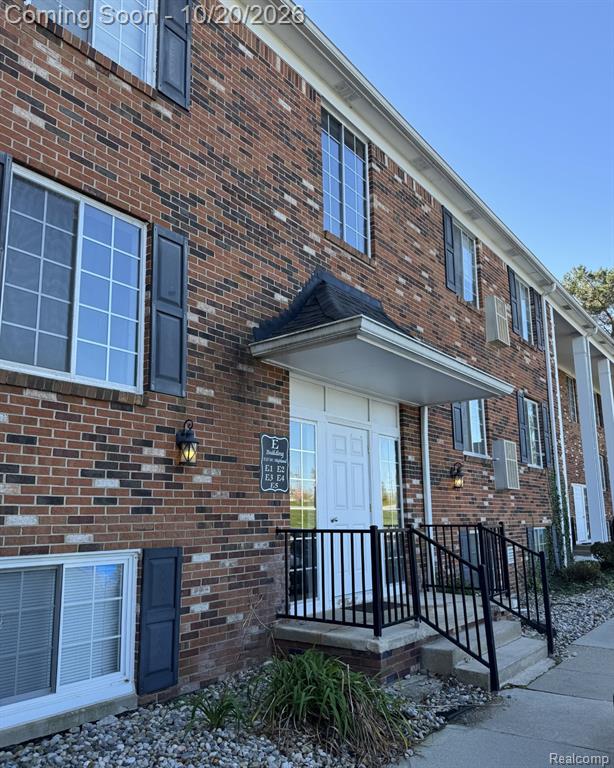
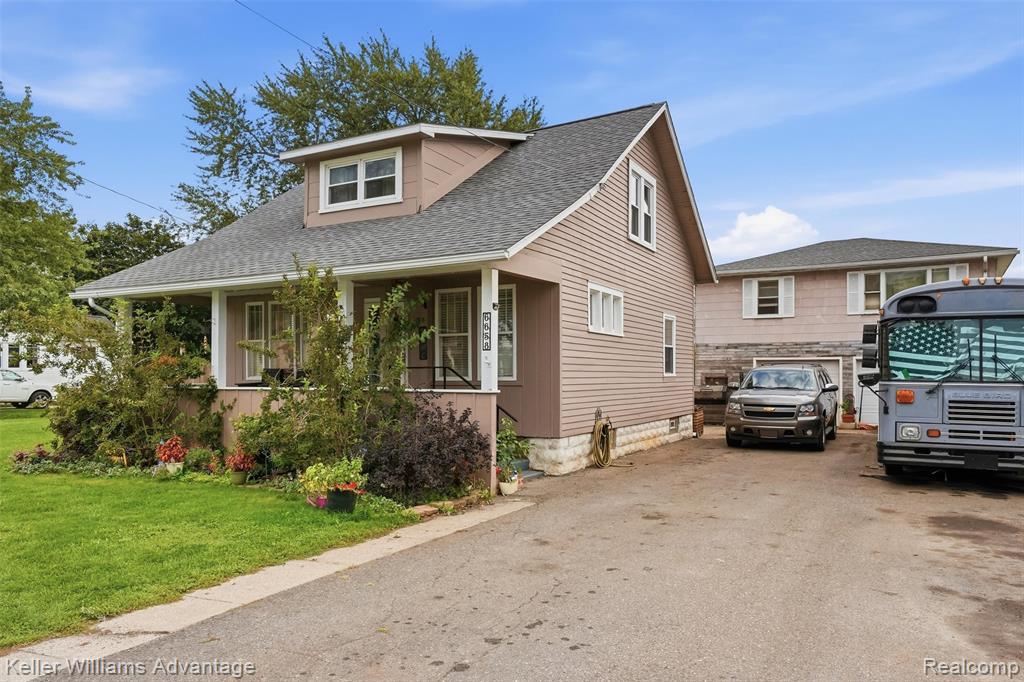
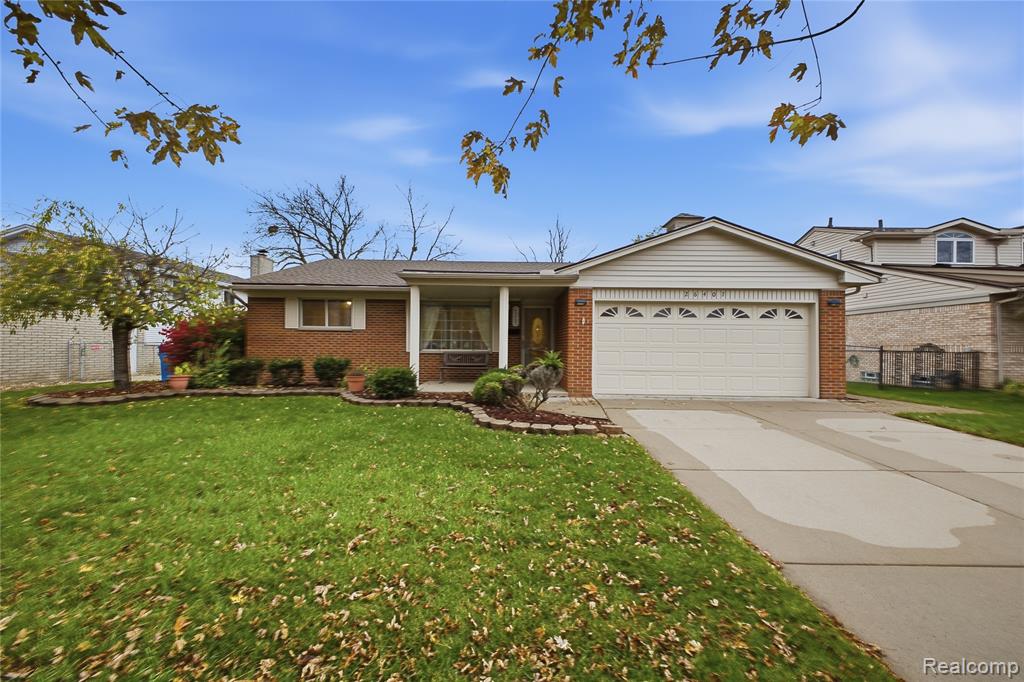
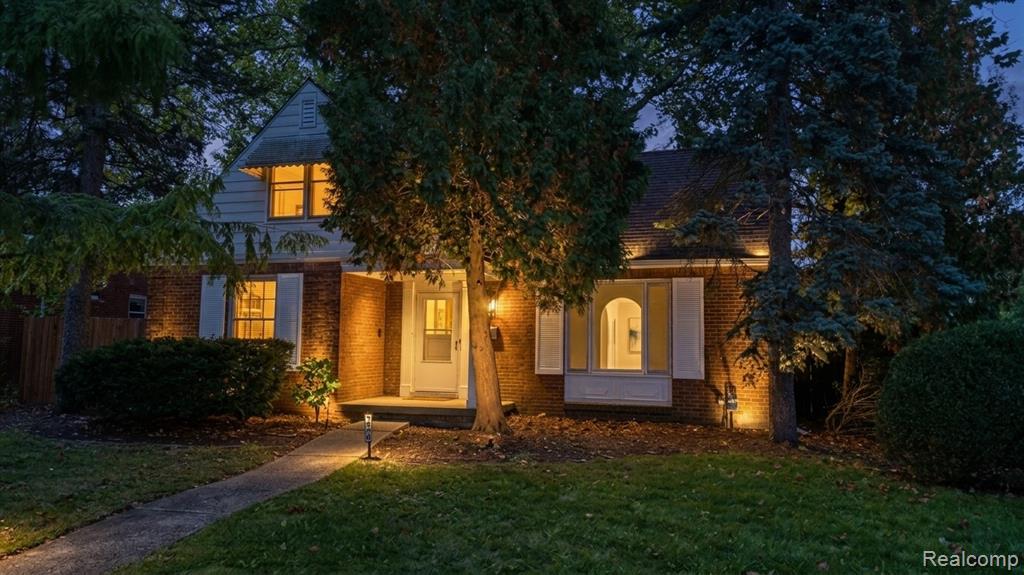
Browse Active Michigan Homes
 New Listing
$250,000
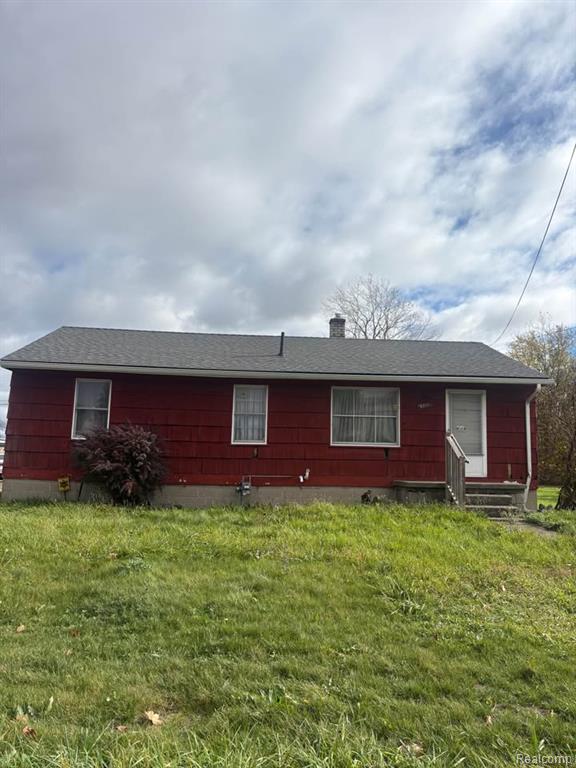
 Open House
$134,500
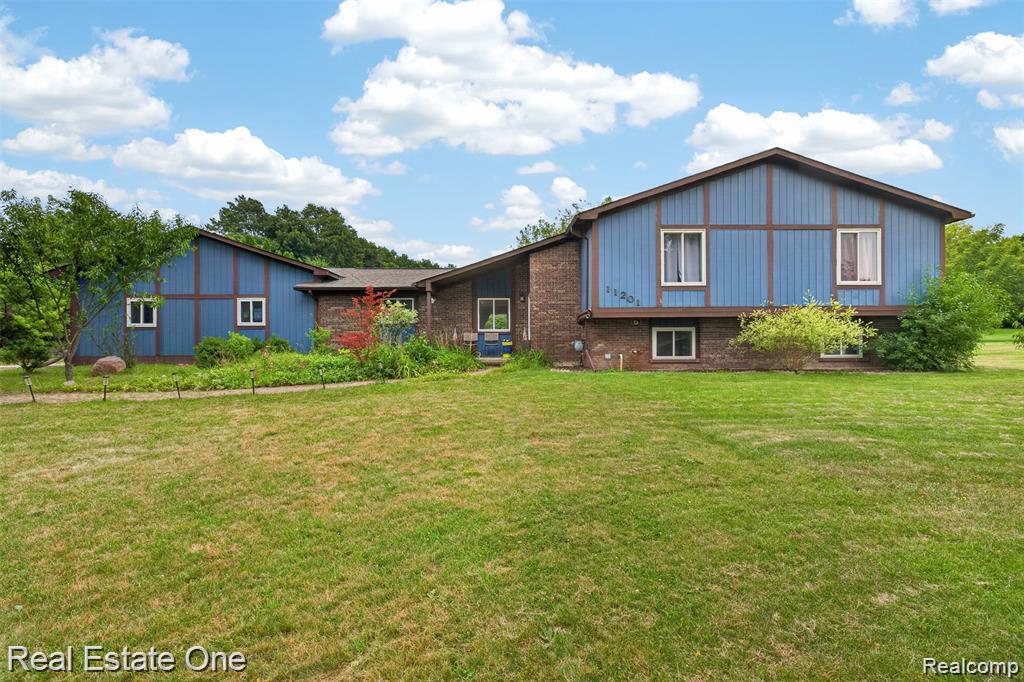
 New Listing
$59,900
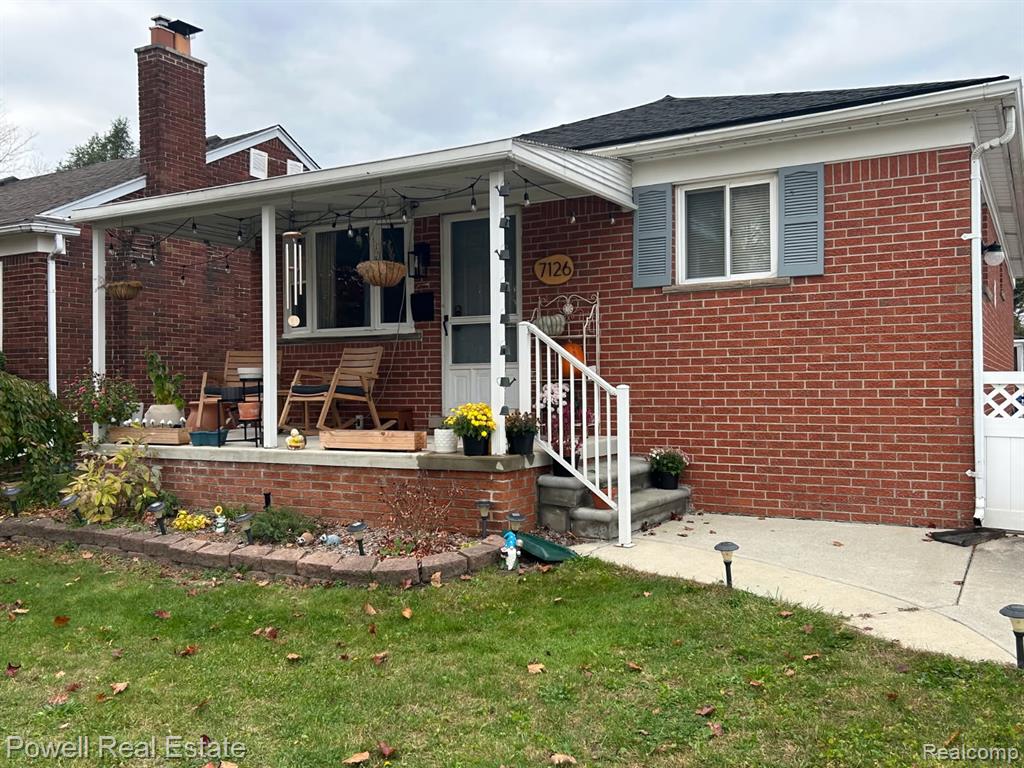 New Listing
Open House
$230,000
 New Listing
$285,000


Edward Kalavitz
Realtor & Mortgage Expert
What Is a Michigan Refinance Mortgage?
A Michigan refinance mortgage replaces your existing home loan with a new one, typically with better terms. When you pursue a Michigan refinance mortgage, you pay off your current mortgage and start fresh with a new loan that may offer a lower interest rate, different loan term, or access to your home equity. According to the Consumer Financial Protection Bureau, refinancing can save homeowners thousands of dollars over the life of their loan.
Michigan homeowners pursue a Michigan refinance mortgage for many reasons: to reduce monthly payments, pay off their home faster, switch from an adjustable rate to a fixed rate, eliminate mortgage insurance, or tap into equity for home improvements or debt consolidation. As a Michigan real estate expert with over 25 years of experience, I help homeowners throughout all 83 Michigan counties find the right Michigan refinance mortgage solution for their goals.
The key to a successful Michigan refinance mortgage is ensuring the benefits outweigh the costs. With closing costs typically running 2-5% of the loan amount, you need to stay in your home long enough to recoup those expenses through monthly savings. Use our Michigan mortgage calculator to estimate potential savings from your Michigan refinance mortgage.
💡 Is Now a Good Time to Refinance?
The best time for a Michigan refinance mortgage depends on your specific situation—current rate, loan balance, credit score, and how long you plan to stay. I offer free refinance consultations to help you determine if refinancing makes financial sense for you.
Why Refinance Your Michigan Mortgage?
Michigan homeowners choose a Michigan refinance mortgage for several strategic reasons. Understanding your options helps you make the best decision for your financial situation. Review your debt-to-income ratio and credit score requirements before applying.
Lower Your Interest Rate with a Michigan Refinance Mortgage
If rates have dropped since you got your original mortgage, a Michigan refinance mortgage could save you thousands. Even a 0.5% reduction can mean significant savings over your loan term. Use our Michigan mortgage calculator to see potential savings from your Michigan refinance mortgage.
Reduce Monthly Payments
A lower rate or longer term can reduce your monthly payment, freeing up cash for other financial goals. This is especially helpful if your budget has tightened or you want more financial flexibility.
Pay Off Your Home Faster
Switching from a 30-year to a 15-year term accelerates your payoff and dramatically reduces total interest paid. While monthly payments increase, you build equity faster and own your home sooner.
Switch Loan Types
Convert from an adjustable-rate mortgage (ARM) to a fixed-rate loan for payment stability, or refinance from FHA to conventional to eliminate mortgage insurance.
Access Home Equity
A cash-out refinance lets you borrow against your equity for home improvements, debt consolidation, education expenses, or other major purchases.
Remove PMI
If your home has appreciated and you now have 20% equity, refinancing can eliminate private mortgage insurance, reducing your monthly payment.
Types of Michigan Refinance Mortgages
Different Michigan refinance mortgage options serve different goals. Here’s how they compare:
| Refinance Type | Best For | Key Features |
|---|---|---|
| Rate-and-Term | Lowering rate or changing term | No cash out, lower closing costs |
| Cash-Out | Accessing home equity | Receive cash at closing, higher rates |
| FHA Streamline | Current FHA loan holders | No appraisal, minimal documentation |
| VA IRRRL | Veterans with VA loans | No appraisal, no income verification |
| USDA Streamline | Current USDA loan holders | Reduced documentation, faster closing |
Rate-and-Term Refinance in Michigan
A rate-and-term Michigan refinance mortgage changes your interest rate, loan term, or both—without taking cash out. This is the most common type of refinance.
When Rate-and-Term Makes Sense
- Current rates are at least 0.5-1% lower than your existing rate
- You want to switch from a 30-year to 15-year mortgage
- You’re converting from ARM to fixed-rate
- You want to remove FHA mortgage insurance by switching to conventional
- Your credit score has improved significantly since your original loan
Rate-and-Term Requirements
| Requirement | Conventional | FHA | VA |
|---|---|---|---|
| Credit Score | 620+ (740 for best rates) | 580+ | No minimum (lender varies) |
| Equity Required | 3-5% minimum | 2.25% | None |
| DTI Ratio | 43-45% max | 43-50% max | 41% (can exceed) |
| Appraisal | Usually required | Required (streamline exception) | Not for IRRRL |
Cash-Out Refinance in Michigan
A cash-out Michigan refinance mortgage lets you borrow more than you owe and receive the difference in cash. This is a popular way to access home equity for major expenses.
Common Uses for Cash-Out Refinancing
- Home Improvements: Kitchen remodels, additions, or renovation projects
- Debt Consolidation: Pay off high-interest credit cards or loans
- Education: Fund college tuition or training programs
- Investment: Purchase rental property or invest in business
- Emergency Fund: Build financial reserves
Cash-Out Refinance Limits
| Loan Type | Max LTV | Max Cash Out |
|---|---|---|
| Conventional (Primary) | 80% | No limit |
| Conventional (Investment) | 75% | No limit |
| FHA | 80% | No limit |
| VA | 100% | No limit |
⚠️ Cash-Out Consideration
Cash-out refinancing increases your loan balance and monthly payment. Only borrow what you need and have a clear plan for using the funds. Converting unsecured debt to secured debt (your home) carries risk if you can’t make payments.
Streamline Refinance Options in Michigan
If you have a government-backed loan, streamline programs make refinancing faster and easier with reduced documentation and often no appraisal.
FHA Streamline Refinance
For current FHA loan holders, the FHA Streamline offers:
- No appraisal required in most cases
- No income or employment verification
- No credit score minimum (lender overlays may apply)
- Must show “net tangible benefit” (lower payment or shorter term)
- Must be current on mortgage payments
- At least 210 days since closing and 6 payments made
VA Interest Rate Reduction Refinance Loan (IRRRL)
Veterans with existing VA loans can use the IRRRL (also called VA Streamline) for their Michigan refinance mortgage. Visit VA.gov for official program details:
- No appraisal required
- No income verification
- No out-of-pocket costs (can be rolled into loan)
- Certificate of Eligibility not required
- Must result in lower rate (unless switching from ARM to fixed)
- Must have made at least 6 payments
USDA Streamline Refinance
For homeowners with an existing USDA loan seeking a Michigan refinance mortgage:
- No appraisal required
- No credit review in many cases
- No debt-to-income calculation
- Must be current on payments (no late payments in past 12 months)
- Must result in payment reduction of at least $50
💡 Streamline Advantage
Streamline refinances close faster (often 2-3 weeks) because they require less documentation. If you have an FHA, VA, or USDA loan, always ask about streamline options first—they’re typically the fastest and cheapest way to refinance.
Michigan Refinance Mortgage Requirements
To qualify for a Michigan refinance mortgage, you’ll need to meet these general requirements. Getting pre-approved helps you understand your options:
Credit Score for Michigan Refinance Mortgage
Your credit score significantly impacts your refinance options and rate:
- 740+: Best rates available
- 700-739: Very good rates
- 660-699: Good rates, most programs available
- 620-659: Limited options, higher rates
- Below 620: FHA may be only option
Home Equity
Most Michigan refinance mortgages require some equity in your home:
- Conventional Rate-and-Term: 3-5% equity minimum
- Conventional Cash-Out: 20% equity minimum (80% max LTV)
- FHA: 2.25% equity minimum
- VA: No equity requirement
Income and Employment
Lenders verify you can afford the new payment:
- Stable employment history (2 years preferred)
- Debt-to-income ratio below 43-45%
- Documented income via pay stubs, W-2s, tax returns
- Self-employed borrowers need additional documentation
Property Requirements
- Property must appraise at or above the refinance amount
- Home must be your primary residence, second home, or investment property — all are eligible for a Michigan refinance mortgage
- Property must be in acceptable condition
Michigan Refinance Mortgage Costs
Understanding closing costs helps you calculate the true cost of refinancing:
| Fee Type | Typical Cost | Notes |
|---|---|---|
| Origination Fee | 0.5-1% of loan | Negotiable with lender |
| Appraisal | $400-700 | Waived for streamline refinances |
| Title Insurance | $500-1,500 | May get discount for “reissue rate” |
| Recording Fees | $50-150 | County government fee |
| Credit Report | $30-50 | Per applicant |
| Flood Certification | $15-30 | Required for all loans |
| Total Typical Costs | 2-5% of loan | $4,000-$10,000 on $200K loan |
No-Closing-Cost Refinance Options
Some lenders offer no-closing-cost refinances where:
- Closing costs are rolled into the loan balance (you pay interest on them)
- Closing costs are offset by a higher interest rate
- Good option if you may move or refinance again within a few years
Break-Even Analysis: Is Your Michigan Refinance Mortgage Worth It?
Calculate your break-even point to determine if a Michigan refinance mortgage makes financial sense for your situation:
Break-Even Formula:
Closing Costs ÷ Monthly Savings = Months to Break Even
Example Calculation
- Closing Costs: $6,000
- Current Payment: $1,800/month
- New Payment: $1,600/month
- Monthly Savings: $200
- Break-Even: $6,000 ÷ $200 = 30 months (2.5 years)
If you plan to stay in your home longer than 30 months, refinancing makes sense in this example.
Refinancing Makes Sense When
- You’ll stay past break-even point
- You can lower rate by 0.5%+
- You want to remove PMI
- You need to access equity
- You want payment stability (ARM to fixed)
- Your credit has improved significantly
Reconsider Refinancing If
- You’re moving within 2-3 years
- Rate reduction is minimal
- You’re far into your current loan
- Closing costs are very high
- Your credit score has dropped
- Home value has declined
The Michigan Refinance Mortgage Process
Here’s what to expect when applying for your Michigan refinance mortgage. Learn more about the complete Michigan mortgage process:
- Evaluate Your Goals: Determine why you want a Michigan refinance mortgage (lower rate, cash out, shorter term)
- Check Your Credit: Review your credit report and credit score before applying
- Shop Lenders: Compare rates and fees from multiple sources (or use a broker like me)
- Apply: Complete the Michigan refinance mortgage application and submit required documents
- Lock Your Rate: Secure your interest rate (typically 30-60 days)
- Appraisal: If required, appraiser evaluates your home’s current value
- Underwriting: Lender reviews all documentation (1-2 weeks)
- Clear to Close: Final approval received for your Michigan refinance mortgage
- Closing: Sign documents at closing and your old loan is paid off
- First Payment: Typically due 30-45 days after closing
Timeline: Most Michigan refinance mortgages close in 30-45 days. Streamline refinances may close in 2-3 weeks. Check current Michigan mortgage rates before you apply.
Michigan Refinance Mortgage Market Considerations
Michigan homeowners have unique refinancing opportunities. The Michigan State Housing Development Authority (MSHDA) provides resources for Michigan homeowners exploring their refinance options. Edward Kalavitz helps Michigan homeowners across Grand Rapids, Kalamazoo, Detroit, Traverse City, Lansing, and all 83 Michigan counties access the best Michigan Refinance Mortgage rates available.
Michigan property values have appreciated significantly, giving many homeowners more equity to work with when pursuing a Michigan Refinance Mortgage. Whether you want to lower your rate, shorten your loan term, switch from an ARM to a fixed rate, or access your home equity through a cash-out refinance, Edward Kalavitz provides personalized guidance. As a dual-licensed Realtor (License #6501386956) and Mortgage Loan Originator (NMLS #138424), Edward Kalavitz understands both the Michigan real estate market and lending requirements.
Michigan homeowners with FHA loans should explore the FHA Streamline Refinance program for the fastest path to lower payments. VA loan borrowers can use the VA Interest Rate Reduction Refinance Loan (IRRRL) for similar streamlined benefits. Edward Kalavitz helps you choose the right Michigan Refinance Mortgage program for your specific situation.
Talk to Edward Kalavitz About Michigan Refinance Mortgage
25+ years of Michigan experience. Dual-licensed Realtor and Mortgage Loan Originator. Free consultation, available 7 days a week.
Get Pre-Approved Free Contact Edward Call (616) 633-3692Watch: Meet Edward
Get to know Edward Kalavitz — one dual-licensed professional handling both the real estate and the mortgage side of your Michigan home purchase or refinance.
What Clients Say About Working with Edward
Edward is a dual-licensed Realtor & Mortgage Loan Originator. Reviews include clients from both his real estate and mortgage practices.
“Very Professional and Thorough”
“Edward is very professional and thorough. Had a great experience working with him. Everything went very smooth.”
— Susan Parsley | Google Review
“Works Hard 24/7”
“Ed is wonderful to work with! He is very thorough, experienced, and friendly. Ed works hard 24/7 to give you the best mortgage experience and is always able to help with whatever you need!”
— Justin Schneider | Google Review
“Great to Have 2 in 1”
“Ed was very responsive, knowledgeable, and made our first home buying experience great! He’s a relator and lender, which was great to have “2 in1”. We were able to look at houses and run number the same day. He was very flexible with times we needed to set up showings, as well as very informative and organized with paperwork! I appreciate his expertise greatly!”
— Mallory Anderson | Google Review
“Above and Beyond”
“Edward is a great relator and loan officer. He helped my fiance and I buy our first home. We called him back when we were ready to sell and buy our forever home. He again went above and beyond to make the process swift and easy. I recommend him to my friends and family who are looking into buying, selling or refinacing their home!”
— Anthony Smolenski | Google Review
“Closing Came Sooner Than Anticipated”
“Edward was up front, professional and most helpful in first determining if I was a good candidate for a mortgage re-Fi. My case was Probably not the easiest , however, he made my “homework” manageable. The closing came sooner than anticipated , thanks to his perseverance, knowledge and professionalism .”
— Dennis Bowman | Refinance Client | Google Review
“Not Only My Realtor — My Friend”
“Edward was an excellent help in the most stressful time of my life. My son passed away in 2018 and I had to sell his home. Edward alleviated some stress by being patient, organized and communicated thoroughly the entire process. He not only was my realtor/loan officer but he was my friend! Highly recommend him for any home needs!”
— Paula Hilliard | Google Review
Michigan Refinance Mortgage FAQ
QWhen is the right time for a Michigan Refinance Mortgage?
The best time to pursue a Michigan Refinance Mortgage is when current rates are at least 0.5 to 1 percent lower than your existing rate. Also consider refinancing when you want to switch from an adjustable rate to a fixed rate, shorten your loan term, or access equity. Edward Kalavitz provides free break-even analysis.
QHow much does a Michigan Refinance Mortgage cost?
Closing costs for a Michigan Refinance Mortgage typically range from 2 to 5 percent of the loan amount. On a $250,000 refinance, expect $5,000 to $12,500 in costs. No-closing-cost options are available where the lender covers costs in exchange for a slightly higher rate.
QWhat credit score do I need for a Michigan Refinance Mortgage?
Minimum credit scores vary by loan type. Conventional refinances require 620 minimum, FHA refinances require 580, and VA refinances have flexible credit requirements. Higher scores qualify for better rates on any Michigan Refinance Mortgage.
QHow long does a Michigan Refinance Mortgage take?
A standard Michigan Refinance Mortgage takes 30 to 45 days from application to closing. FHA Streamline Refinances can close in 14 to 21 days. Edward Kalavitz keeps the process moving efficiently to minimize your closing timeline.
QCan I refinance if I owe more than my Michigan home is worth?
Options are limited but available. FHA Streamline Refinances do not require an appraisal so underwater borrowers can qualify. Some special programs exist for underwater homeowners. Contact Edward Kalavitz to discuss your options.
QShould I refinance to a 15-year or 30-year Michigan Refinance Mortgage?
A 15-year mortgage has higher monthly payments but saves significantly on total interest and builds equity faster. A 30-year mortgage has lower payments providing more monthly cash flow flexibility. Use our mortgage calculator to compare both scenarios with Edward Kalavitz.
QCan I do a Michigan Refinance Mortgage with no out-of-pocket costs?
Yes. Many lenders offer no-closing-cost refinance options where fees are rolled into the loan balance or offset by a slightly higher interest rate. Edward Kalavitz explains the long-term cost difference so you can make an informed decision on your Michigan Refinance Mortgage.
QHow many times can I refinance my Michigan mortgage?
There is no legal limit on how many times you can refinance. However, each refinance has closing costs so the savings must justify the expense. Most loan types require a waiting period of 6 to 12 months between refinances. Call Edward Kalavitz at (616) 633-3692 to evaluate whether another refinance makes sense.
QWhen should I refinance my Michigan mortgage?
Consider a Michigan refinance mortgage when you can lower your rate by at least 0.5-1%, when you want to switch from an ARM to fixed rate, when you need to access equity, or when you want to remove PMI. The general rule is refinancing makes sense if you’ll stay in the home long enough to recoup closing costs through monthly savings—typically 2-4 years.
QHow much does it cost to refinance in Michigan?
Michigan refinance mortgage closing costs typically range from 2% to 5% of the loan amount. On a $200,000 refinance, expect to pay $4,000 to $10,000. Costs include appraisal, title insurance, origination fees, and recording fees. Some lenders offer no-closing-cost Michigan refinance mortgage options where fees are rolled into the loan or offset by a higher rate.
QWhat credit score do I need to refinance in Michigan?
For conventional Michigan refinance mortgages, most lenders require a minimum 620 credit score, with 740+ getting the best rates. FHA streamline refinances may accept lower scores since they don’t always require credit qualification. VA refinances have no official minimum. The higher your score, the better your interest rate and terms will be.
QHow long does a Michigan refinance take?
A Michigan refinance mortgage typically takes 30-45 days from application to closing. Streamline refinances (FHA, VA, USDA) can close faster—often in 2-3 weeks—since they require less documentation and usually no appraisal. The timeline depends on appraisal scheduling, title work, and how quickly you provide required documents.
QCan I refinance with little or no equity in Michigan?
Yes, several options exist for Michigan homeowners with limited equity. FHA Streamline refinance requires no appraisal for most borrowers. VA IRRRL allows refinancing up to 100% of value with no equity required. Conventional loans typically require at least 3-5% equity for rate-and-term or 20% for cash-out. A real estate expert can help identify the best option.
QShould I refinance to a 15-year or 30-year mortgage?
A 15-year Michigan refinance mortgage offers lower interest rates and faster payoff but higher monthly payments. A 30-year refinance has lower monthly payments but more interest paid over time. Choose 15-year if you can afford higher payments and want to build equity faster. Choose 30-year for lower payments and more financial flexibility. The Consumer Financial Protection Bureau offers helpful tools for comparing loan terms.
QCan I refinance my Michigan mortgage if I’m self-employed?
Yes, self-employed borrowers can get a Michigan refinance mortgage. You’ll typically need 2 years of tax returns showing consistent income. Bank statement loans are also available for self-employed borrowers who have difficulty qualifying with tax returns due to business write-offs. A real estate expert can help identify the best Michigan refinance mortgage program for your situation.
QWhat is a no-closing-cost Michigan refinance mortgage?
A no-closing-cost Michigan refinance mortgage rolls closing costs into the loan balance or offsets them with a slightly higher interest rate. This means no out-of-pocket expenses at closing. It’s a good option if you plan to move or refinance again within a few years, but costs more over time if you keep the loan long-term. You can verify any lender’s credentials at NMLS Consumer Access.
Buy or Sell a Michigan Home with Edward Kalavitz
Dual-licensed Realtor & Mortgage Loan Originator — one trusted professional for your entire Michigan transaction.
Available When You Need Answers
Real estate questions don’t wait for business hours — and neither does Edward Kalavitz.

