
Homes for Sale in Marine City, Michigan
Search all available listings, view market trends, and get expert guidance from Edward Kalavitz — your dual-licensed Marine City Realtor and Mortgage Loan Originator with 25+ years of experience.
Realtor License #6501386956 · Turnkey Realty LLC • NMLS #138424 · Private Mortgage Guarantee LLC
In This Guide
- Market Dashboard
- Today’s Rates in Marine City
- Michigan Mortgage Advisor
- Homes for Sale in Marine City
- About Marine City
- Neighborhoods & Subdivisions
- Property Types
- Schools & Education
- Cost of Living & Taxes
- Market Trends
- Mortgage Options in Marine City
- Buying in Marine City
- Selling in Marine City
- Edward’s Local Take
- Watch: Meet Edward
- Nearby Cities
- Google Reviews
- Marine City FAQ
- Available Hours
Marine City Real Estate Market Dashboard
Mortgage Rates in Marine City
Competitive pricing personalized to your scenario. Rates shown reflect 740+ credit, 30-year fixed terms unless noted.
Purchase Loans
Conventional Purchase
15-Year Conventional
FHA 30-Year Purchase
VA 30-Year Purchase
USDA Purchase & Refinance
USDA 30-Year Purchase
FHA Streamline Refi
Conventional Refinance
Jumbo & High-Balance
Jumbo / High-Balance
Not Sure Which Loan You Qualify For?
See the rates. Not sure which loan fits your situation? The Michigan Mortgage Advisor answers that in 60 seconds — analyzing your credit, down payment, and goals to recommend the best loan program and show you your real monthly payment on Marine City Michigan real estate.
- Instant loan-type recommendation — FHA, VA, USDA, or Conventional
- Live rate and APR for your exact scenario
- Michigan-specific closing cost estimate
- No credit check required to start
Best loan for you: FHA
3.5% down
~$1,830/mo principal + interest
Your actual recommendation is calculated live based on your inputs.
Featured Marine City Listings
Premium properties in the Marine City area, $500K and above.
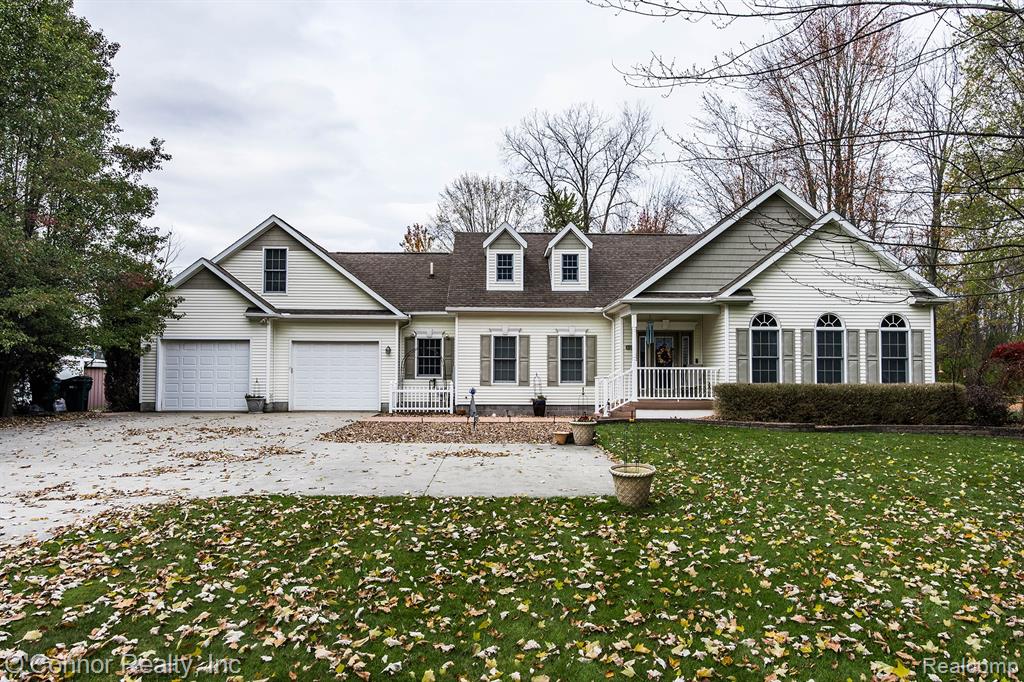 New Listing
$445,000
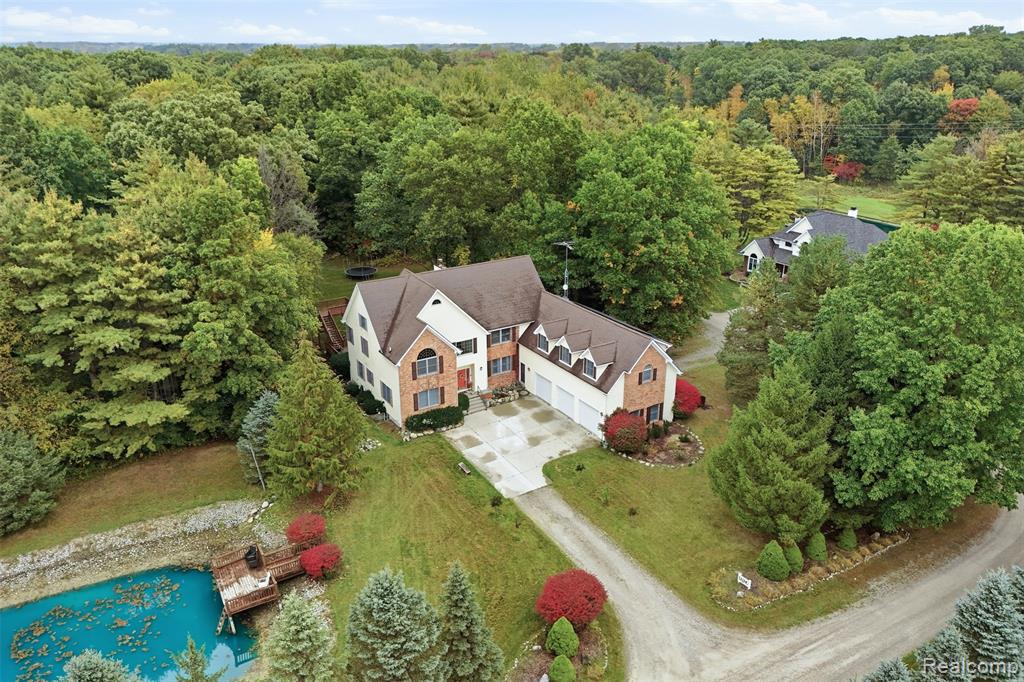
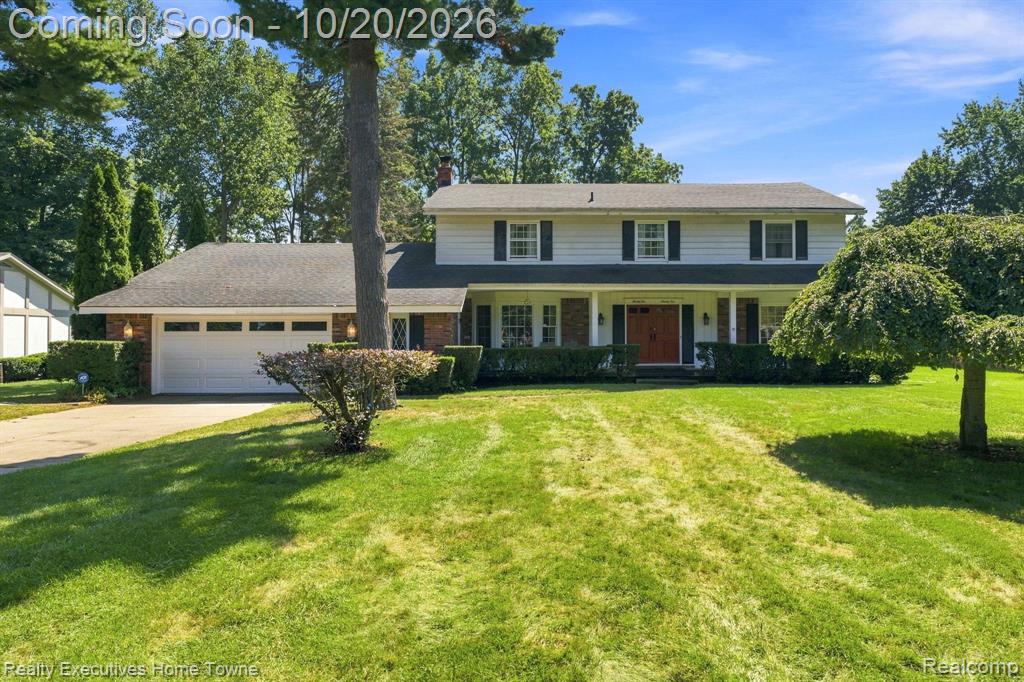 Open House
$359,900
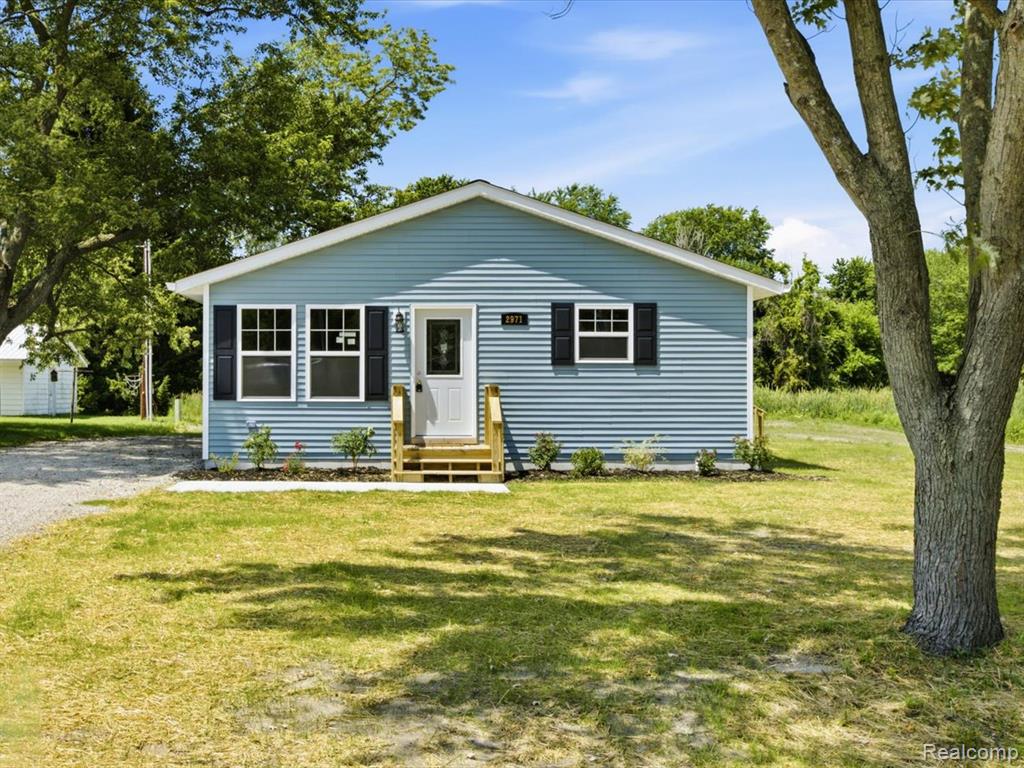
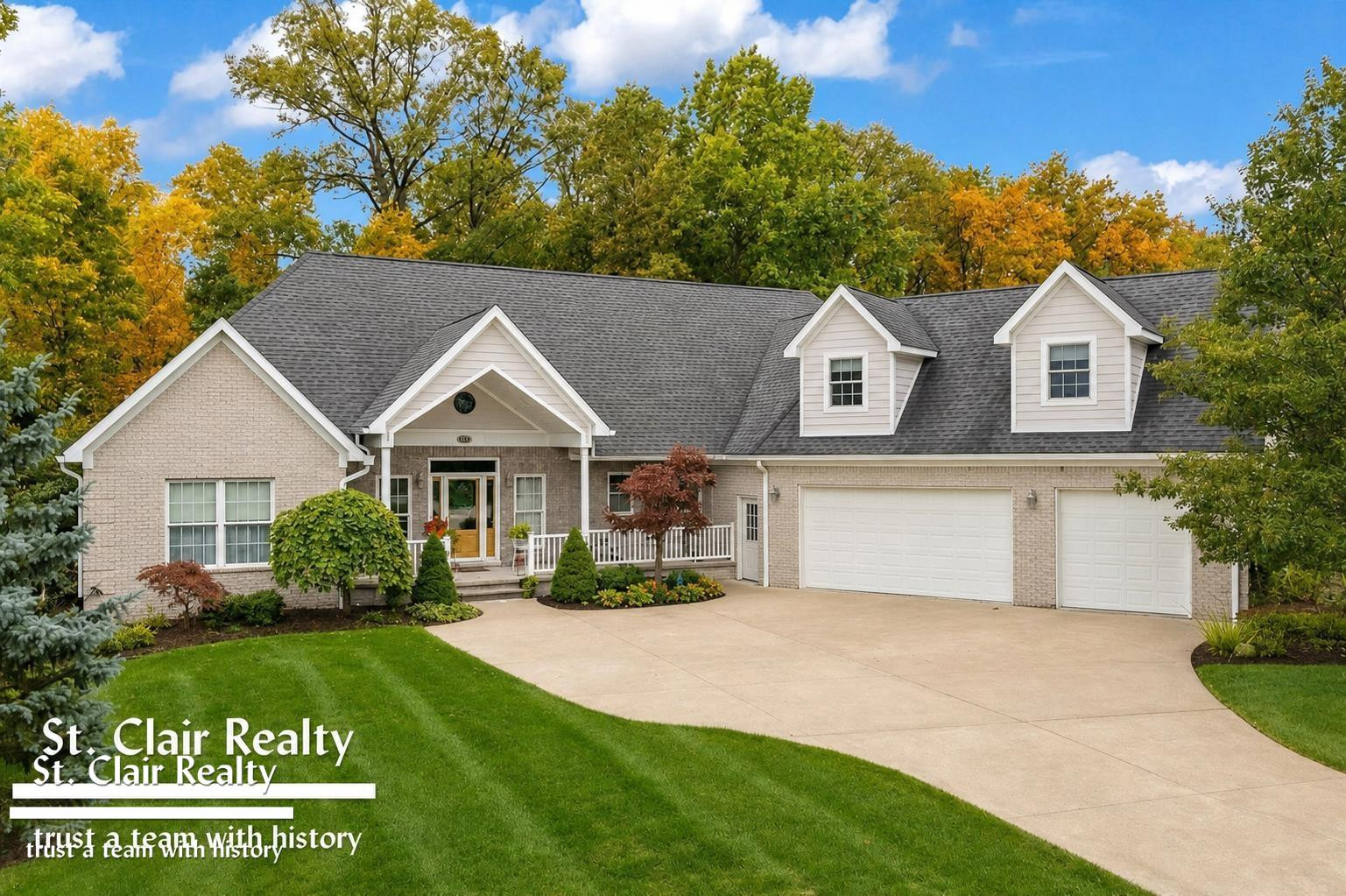
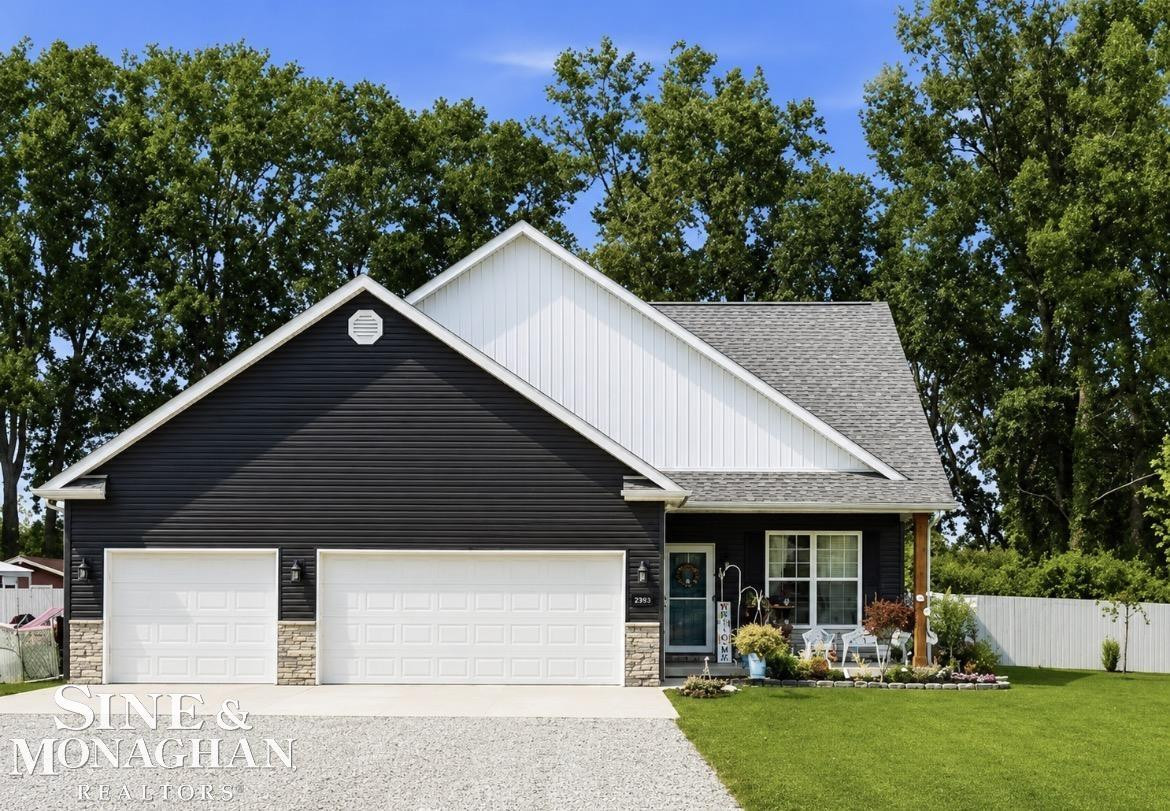
Browse Active Marine City Listings
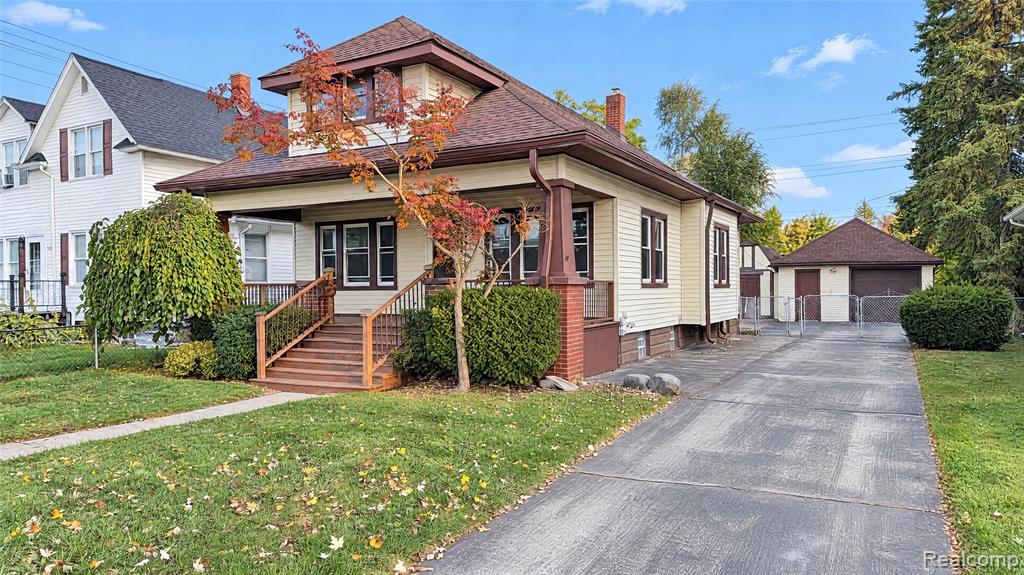 Open House
$145,000
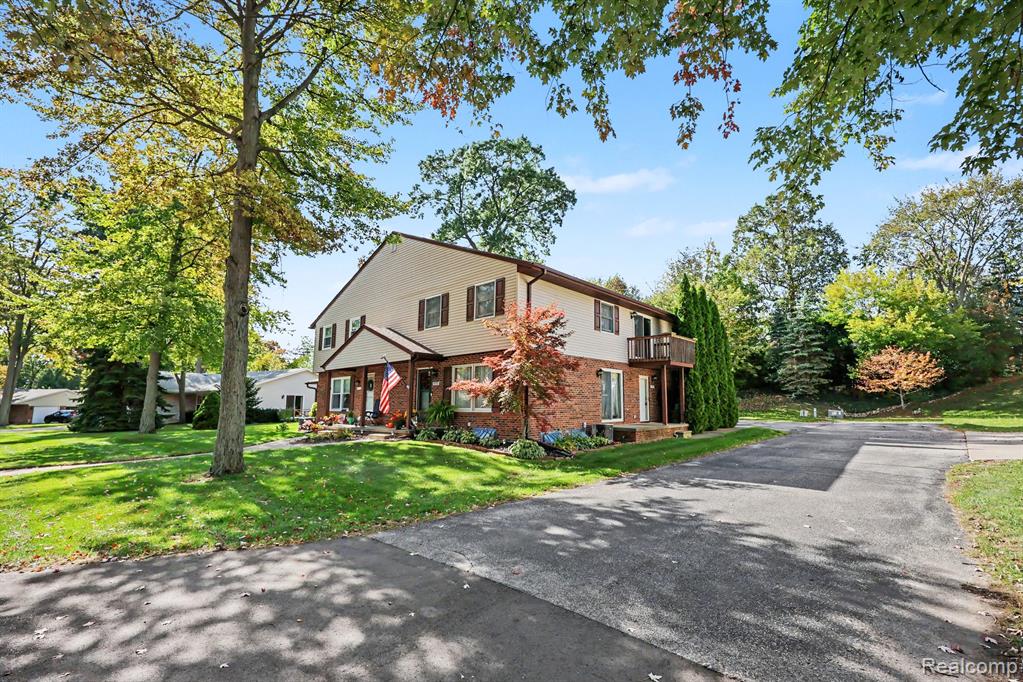 Open House
$144,000
New Listing
$445,000
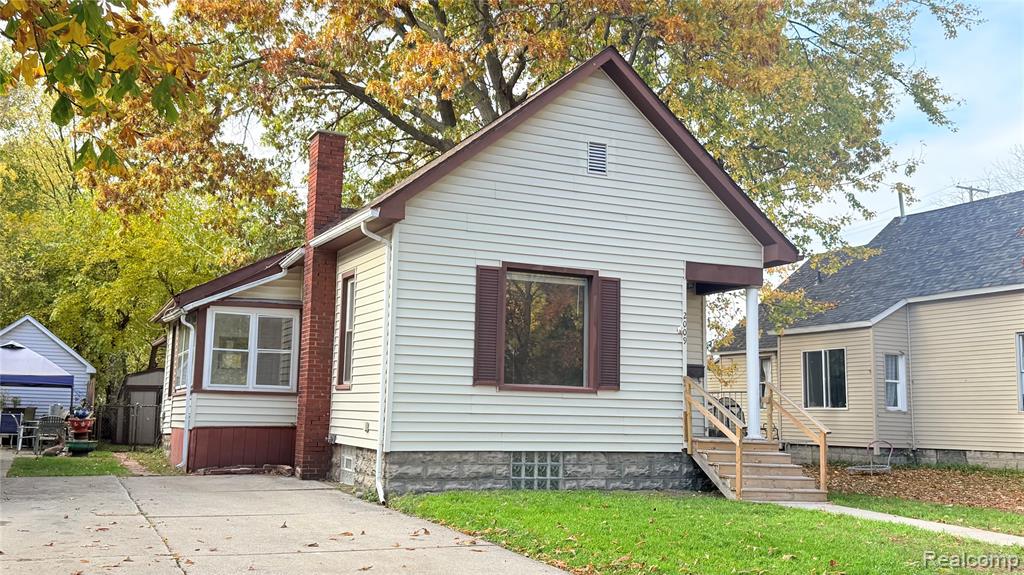 New Listing
$124,900
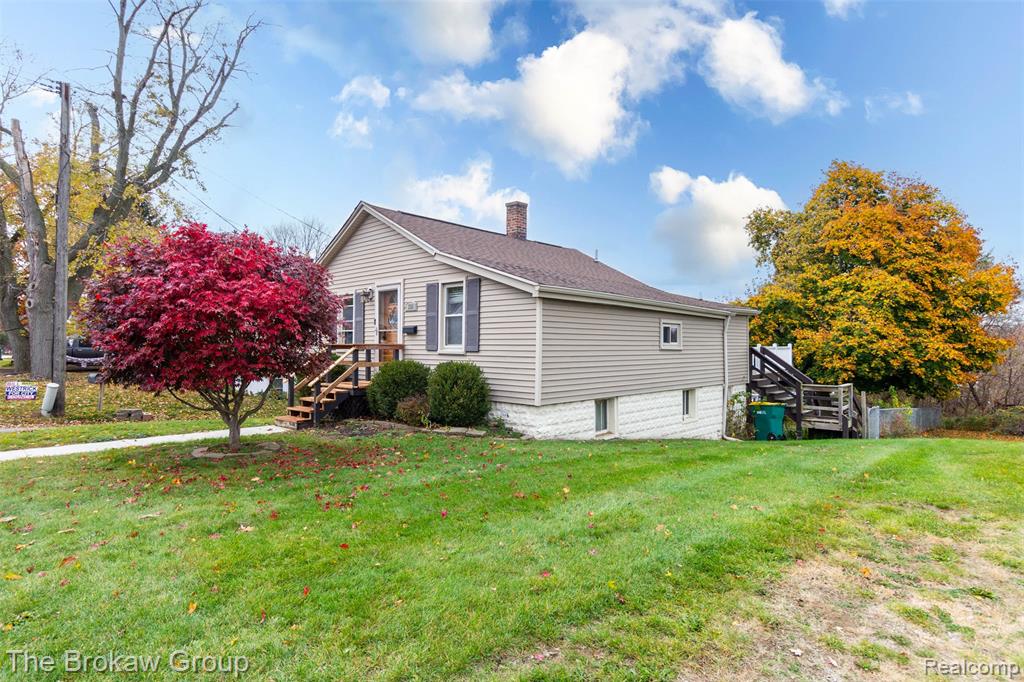 New Listing
$150,000
Open House
$359,900
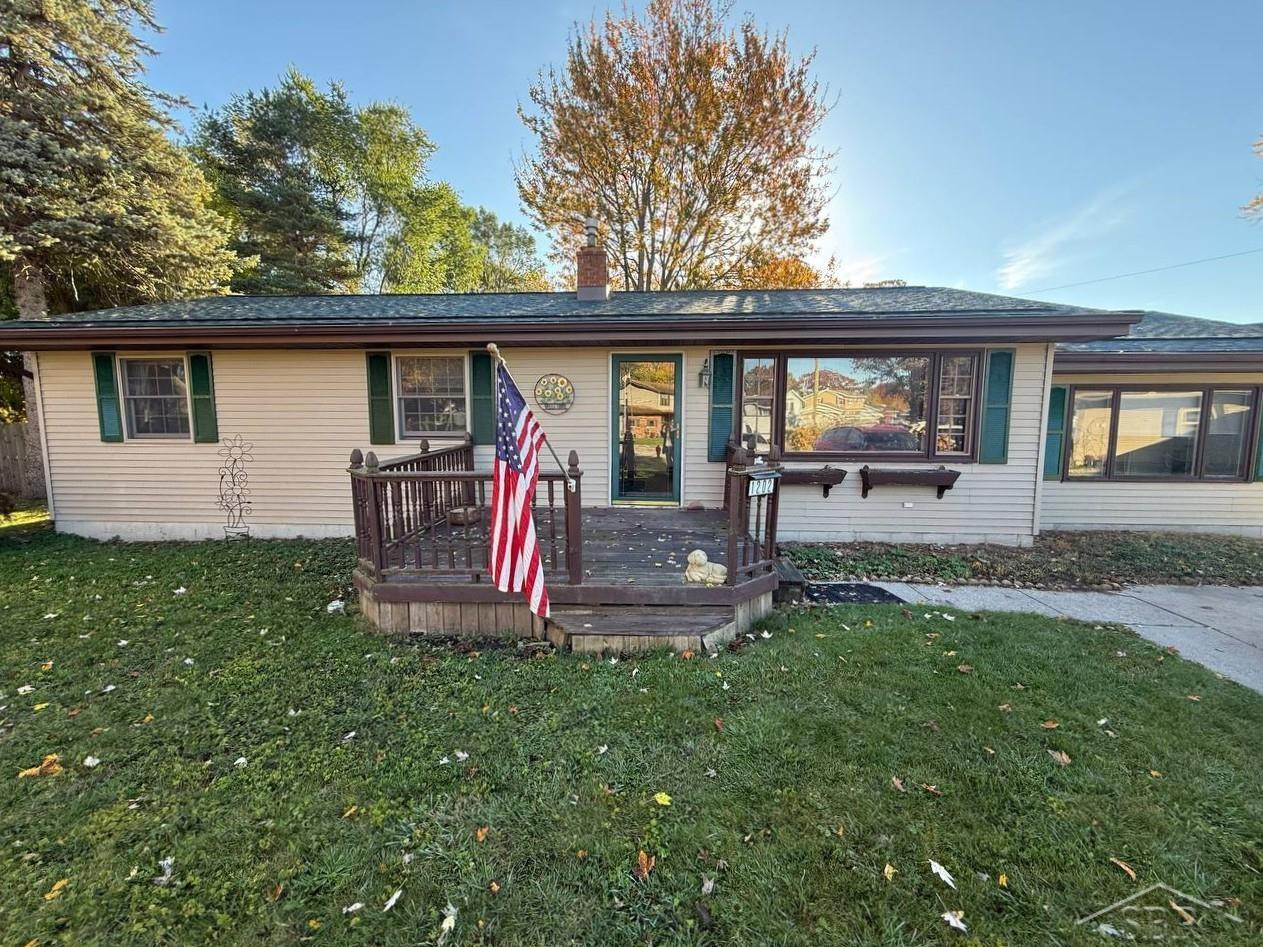
Filtered ZIPs: 48039 · · · · · · 49525
About Marine City, Michigan
A city of 4,079 residents on the west bank of the St. Clair River, this St. Clair County community is one of the River District towns north of Detroit and south of Lake Huron. The setting is distinctive — a walkable historic downtown directly across the international waterway from Sombra, Ontario, ringed by established residential streets and the surrounding river-corridor townships. Freighter traffic on one of the busiest commercial waterways in the Great Lakes is woven into daily life, and the city’s identity is rooted in a 19th-century shipbuilding and lumber heritage that still shapes the streetscape.
The area was Ojibwa territory for centuries before European contact, with French trappers and missionaries arriving from the 17th century onward. French Catholic farmers built a church at Catholic Point and laid out long, narrow river-frontage plots in the colonial French pattern. After the American Revolution, settlers from New England and New York obtained a deed from the Chippewa in the 1780s and called the community Yankee Point and Belle River.
Americans platted the village as Newport in 1835-37, and it carried that name for 31 years before incorporating as the Village of Marine City in 1865. Thriving on lumber and shipbuilding, it re-incorporated as a city in June 1887.
Through the second half of the 19th century, the local economy ran on lumber rafted down the river and on wooden ships built in the shipyards. Lake steamers linked the riverfront to towns around the Great Lakes, and a bandstand at City Hall hosted summer concerts beside the water.
As lumber faded, the freighter trade carrying iron from Duluth to Ashtabula moved past the city, and the community became known as the town on the river where freighter captains lived — many crewing for the Pittsburgh Steamship Company, formed in 1901 by US Steel and once the largest commercial fleet on the Great Lakes. Today the local economy combines small business, a downtown antique-and-theater visitor scene, and a residential base oriented toward St. Clair County and metro Detroit employment.
Neighborhood Guide · Marine City, MI
Marine City Neighborhoods
The local market centers on the St. Clair River — a walkable historic downtown, riverfront homes on the international waterway, established in-town residential streets, and the surrounding river-corridor townships. The six profiles below frame the greater Marine City area so buyers can compare options from compact downtown lots to township acreage along the same scenic corridor.
Downtown Marine City
The walkable historic core combines a downtown of antique stores, the 98-seat Snug Theater, the Riverbank Theater in a former bank building, and the Mariner Theatre event center with a surrounding neighborhood of 19th- and early-20th-century houses on compact city lots. The shipbuilding-era streetscape — including landmarks such as the 1885 Queen Anne Heather House — gives the area a coherent historic character that defines downtown living. Inventory leans toward older homes within a short walk of both the commercial blocks and the riverfront.
Walkability: Highly walkable — antique shops, theaters, civic buildings, and the riverfront are all reachable on foot through a compact downtown grid.
Buyer fit: Common among buyers prioritizing walkable historic-downtown living with river access close by, at accessible price points for a waterfront community. Particularly suited to retirees, remote-work professionals, and buyers drawn to genuine 19th-century architectural character within a small-town footprint.
St. Clair Riverfront
Homes directly along the river — the premium tier of the area. Inventory ranges from river-view properties on the bluff side of the street to direct-frontage homes on one of the busiest commercial waterways in the Great Lakes, where lake freighters pass within view all day. This is the historic preserve of freighter captains and lake-shipping families — a tradition tied to the Pittsburgh Steamship era — and direct river frontage commands the strongest pricing in the local market.
Walkability: Drive-oriented river lanes with sidewalk pockets near downtown; much of the riverfront is within walking distance of the historic core.
Buyer fit: Common among buyers prioritizing direct river frontage and the distinctive lifestyle of living on a major international waterway. Direct-frontage inventory is limited and premium-priced; serious buyers should be prepared to move quickly when a true-frontage property comes to market.
Marine City Residential
The established residential streets set back from the immediate riverfront and downtown — a mix of early-20th-century working-family homes and mid-century single-family houses serving the East China School District. These blocks offer in-town living at the most attainable price points in the area and were the original neighborhoods of shipyard, lumber, and freighter-trade workers a century ago. Lot sizes are typical of small-city Michigan platting, and most streets retain sidewalks and mature trees.
Walkability: Sidewalks throughout much of the area; neighborhood streets are walkable and downtown is a manageable distance on foot.
Buyer fit: Common among families and first-time buyers prioritizing affordable in-town homeownership away from the riverfront premium, within the East China School District. Also a fit for buyers who want walkable small-town living without paying for direct river frontage.
Cottrellville & East China Townships
The townships surrounding the city — Cottrellville Township and East China Township — offer newer subdivisions, larger-lot single-family homes, rural acreage, and additional river-corridor properties on the broader St. Clair River reach. The pattern blends modern construction with farmstead and acreage settings while keeping quick access to downtown, the river, and the I-94 corridor. School-district boundaries cross municipal lines here, so assignment should be verified property by property.
Walkability: Drive-oriented township roads; newer subdivisions have internal sidewalks. Quick access to M-29 and the river communities.
Buyer fit: Common among buyers prioritizing newer construction, larger lots, and a semi-rural setting with quick access to the river and the broader St. Clair County area. A fit for families wanting more land, hobby-acreage owners, and households tolerating a slightly longer drive to the downtown core.
M-29 Waterfront Corridor
M-29 runs along the river, connecting the city north toward St. Clair and Port Huron and south toward Algonac and the river delta. Inventory along the corridor includes river-view and river-access homes, established residential properties on the inland side, and scenic waterway-oriented lots set among the connected River District towns. The corridor gives buyers a way into the riverfront lifestyle at a wider range of price points than direct downtown frontage.
Walkability: Drive-oriented scenic river corridor; M-29 follows the water with views much of the way, with walkable downtown pockets in the connected towns.
Buyer fit: Common among buyers prioritizing the river-corridor lifestyle — water views, boating access, and the string of River District communities — across a wide range of price points. Suited to retirees, boaters, and second-home buyers attracted to the international waterway without the downtown-frontage premium.
Greater Marine City — St. Clair River Communities
The broader reach — neighboring St. Clair, Algonac, Clay Township, and the surrounding communities along the river and adjacent waterways. The area covers the full River District: antiquing river towns to the north, boating communities of the river delta near Lake St. Clair to the south, and the rural townships in between. Together the corridor offers the widest range of inventory, price points, and waterfront styles in the local market.
Walkability: Drive-oriented river communities; the connected towns of St. Clair and Algonac have walkable small downtowns of their own.
Buyer fit: Common among buyers prioritizing the river lifestyle broadly — boating, river towns, antiquing, and waterfront access — and those wanting the widest range of inventory and price points along the international waterway. A fit for buyers who value the river corridor as a region rather than a single town.
Property Types in Marine City
Single-Family Homes
The single-family inventory spans affordable in-town residential homes ($110K-$280K), downtown historic houses with shipbuilding-era character ($120K-$350K), and newer township homes in Cottrellville and East China ($150K-$400K). As a smaller community, the area offers accessible price points for a river-front town — most inventory is detached single-family on city or township lots, with construction eras ranging from 19th-century through current new-build.
Condos & Townhouses
A limited condo and townhouse inventory clusters in and near the downtown core and along the river corridor. Low-maintenance options are popular with buyers downsizing within the area, retirees consolidating after the kids move out, and second-home buyers wanting a lock-and-leave river-area property. Because the segment is small, availability comes and goes — patience and pre-approval matter when the right unit appears.
New Construction
Most new-build inventory is in the surrounding Cottrellville and East China townships — modern homes on larger lots, often in newer subdivisions with current systems and finishes. New construction within the historic in-town core is limited; the downtown market is dominated by existing 19th-century, early-20th-century, and mid-century homes, so buyers wanting new construction generally end up in a township address.
Investment Properties
The local rental market is anchored by the broader St. Clair County and metro Detroit-corridor workforce, plus a small riverfront-tourism rental segment tied to the downtown antique-and-theater scene. Established in-town neighborhoods offer accessible cash-flow entry points at the lower end of the price band. Short-term-rental rules along the river vary by jurisdiction and should be verified before purchase rather than assumed.
Waterfront Homes
River frontage defines the premium market — homes on a major international waterway, where freighter-watching and boating are part of daily life and the maritime tradition is centuries deep. Direct frontage commands the strongest pricing in the area; river-view and river-access homes along the M-29 corridor offer entry points to the waterway lifestyle for buyers not yet ready for true-frontage pricing or willing to trade view for value.
Luxury Homes
Higher-end inventory concentrates on direct river frontage and larger riverfront and township estates. The international-waterway setting — and the broader corridor reaching north to Port Huron and south to the river delta — draws buyers seeking a distinctive waterfront lifestyle within reach of metro Detroit. Historic Victorian-era homes in the downtown core, including landmark properties like the 1885 Heather House, also appear at the upper end.
Marine City Schools & Education
The area is served by the East China School District, with neighboring St. Clair County districts surrounding it and regional higher-education access through nearby Port Huron and the broader metro Detroit corridor. Boundaries cross municipal lines in the surrounding townships, so assignment is property-specific.
East China School District
The public district serving the city, neighboring St. Clair, and the surrounding East China and Cottrellville township areas. The district operates elementary, middle, and high school programs across the River District, with attendance pulling together communities along the river corridor under one shared system. Because the district crosses municipal lines, families moving into the surrounding townships often find that their township address still routes to schools clustered around the river towns. Coordination between the district and the area’s two-year college pipeline in Port Huron is a long-established feature of the local education landscape.
Neighboring St. Clair County Districts
The communities surrounding the East China footprint are served by adjacent districts — including Algonac Community Schools to the south, covering the boating communities of the river delta, and the Port Huron-area districts to the north, serving the Blue Water Bridge corridor. District boundaries are property-specific in the rural townships, and a single road can shift assignment from one district to another. Verify exact assignment for any home in the surrounding townships and river communities before relying on a district expectation.
Higher Education — Port Huron & Metro Access
For higher education, families look first to St. Clair County Community College in nearby Port Huron, which serves the county with two-year associate programs, workforce training, and transfer pathways to four-year universities. Beyond the county, the I-94 corridor connects the area to the major metro Detroit universities — including Wayne State, Oakland University, and the University of Michigan-Dearborn — within roughly an hour’s drive. The combined access gives local students realistic commuter options at both community-college and university tiers without relocating.
School district boundaries cross municipal lines and assignments shift periodically. Confirm exact district assignment for any specific property with Edward — he verifies district and enrollment options as part of the buyer consultation.
Cost of Living & Property Taxes in Marine City
One of the biggest advantages of Marine City Michigan real estate is affordability relative to comparable metro areas. Here’s what it costs to live in Marine City.
—
Avg. Home Price
—
Median Household Income
—
Property Tax Rate
Property Taxes
Marine City property taxes are calculated on a home’s taxable value — roughly 50% of market value in Michigan — multiplied by the local total millage rate (city or township + county + school + intermediate school district). Your exact tax depends on the specific property and jurisdiction within the Marine City area; Edward provides a precise estimate for any home you’re considering.
If the home is your primary residence, file the Michigan Principal Residence Exemption (PRE) — it removes 18 mills (the local school operating millage) from your tax bill. On an average-priced Marine City home, the PRE saves roughly $940 per year, typically 30–40% of total property taxes. The PRE is filed once at closing and stays in effect as long as you live in the home.
Cost Comparison
Michigan offers among the lowest costs of living in the Great Lakes region. Housing, property taxes, and — since the 2020 no-fault auto insurance reform — vehicle insurance all run below national averages, and Michigan has no local income tax in most jurisdictions. For buyers relocating from higher-cost metros, that combination means a given budget reaches noticeably further in Marine City than in comparable out-of-state markets.
Within Marine City, the real cost variable is neighborhood and property type rather than the city overall. Edward walks buyers through total monthly cost — mortgage, taxes, insurance, and utilities — for any specific Marine City home so the comparison is grounded in real numbers, not averages.
Marine City Market Trends
Understanding market trends helps buyers and sellers make better decisions in the Marine City Michigan real estate market. Here’s what the data shows.
Key Trends for 2026
Prices rising steadily
Marine City home values continue to appreciate, outpacing the national average.
Low inventory
Current supply is well below a balanced market (typically 4–6 months), meaning demand significantly exceeds available homes.
Fast-moving market
Well-priced homes in desirable neighborhoods sell in under 2 weeks. Buyers need pre-approval ready.
Spring/summer peak
Historically, Marine City sees the strongest buyer activity from April through August.
New construction increasing
Developers are adding inventory in suburban areas, but supply still lags demand.
Mortgage Options for Marine City Homebuyers
This is where Edward Kalavitz gives you an advantage no other Marine City Realtor can match. As a dual-licensed Realtor AND Mortgage Loan Originator, Edward handles both your home search and your financing — saving you time, money, and the hassle of coordinating between multiple professionals.
FHA Loans
№ 013.5% down with credit scores as low as 580. The most popular choice for Marine City first-time buyers. Lower down payment and more flexible qualification.
Conventional Loans
№ 023-20% down with credit scores of 620+. Competitive rates and no upfront mortgage insurance with 20% down. Best for buyers with strong credit.
VA Loans
№ 030% down for veterans and active military. No monthly PMI. The best loan program available — if you qualify, Edward will make sure you use it.
USDA Loans
№ 040% down — Marine City limits are NOT USDA-eligible. However, nearby communities in St. Clair County (Algonac, Casco Township, Columbus Township, Ira Township, and Cottrellville Township) ARE eligible for zero-down USDA loans. Income limits apply (typically 115% of area median income).
MSHDA Down Payment Assistance
№ 05Up to $10,000 in down payment help from the Michigan State Housing Development Authority. Income limits apply — Edward checks eligibility at your consultation.
Payment Calculator
№ 06See exactly what a Marine City home costs per month. Try our free mortgage calculator or affordability calculator.
Buying a Home in Marine City — Step by Step
Whether you’re a first-time buyer or experienced homeowner, here’s how to buy in the Marine City Michigan real estate market with Edward Kalavitz handling both your Realtor and mortgage needs.
Get Pre-Approved (Free)
Call Edward at (616) 633-3692 or apply online. He’ll compare FHA, VA, USDA, and conventional options simultaneously and issue your pre-approval letter — typically within 24 hours. This tells sellers you’re a serious, qualified buyer.
Search Homes in Marine City
With pre-approval in hand, Edward helps you search Marine City neighborhoods that match your budget and lifestyle. As your Realtor, he can schedule showings, provide neighborhood insights, and run live payment scenarios as you tour homes.
Make an Offer & Negotiate
When you find the right home, Edward writes your offer with competitive terms informed by current Marine City market data. In a fast-moving Marine City market, having a Realtor who understands both the real estate and financing side gives you a strategic advantage.
Inspection, Appraisal & Closing
Edward manages the entire pipeline — home inspection coordination, appraisal ordering, title work, underwriting, and closing preparation. One point of contact through the entire process.
Welcome Home to Marine City!
On closing day, you sign final documents and receive your keys. Edward ensures every number is accurate and every fee is verified. You’re now a Marine City homeowner.
Edward’s Selling Advantage
Selling Your Home in Marine City
Selling a home in Marine City in 2026 rewards preparation. Accurate pricing from day one, professional presentation, and strategic timing are what separate listings that attract strong offers from those that linger on the market. Edward’s dual-license perspective — licensed Realtor and Mortgage Loan Originator — means he prices with both sides of the transaction in view, and can pre-qualify incoming buyers to keep your closing on track.
As your listing agent, Edward Kalavitz handles every step of the local selling process — comparative market analysis using current Marine City comps in your specific neighborhood, professional pricing strategy informed by 25+ years of Michigan real estate experience, MLS listing on the Edward’s statewide MLS network (Water Wonderland Association, Realcomp II Limited, Northern Great Lakes MLS, MiRealSource, MichRIC, and Greater Lansing Association of REALTORS), professional photography and digital marketing, open house scheduling, offer negotiation, and full coordination through inspection, appraisal, and closing.
Most Marine City sellers find that listing in April through August captures the strongest buyer activity — but well-priced homes sell year-round in this market.
Edward’s dual license as both a Michigan Realtor (#6501386956) and Mortgage Loan Originator (NMLS #138424) gives sellers a meaningful advantage that single-licensed agents simply can’t match.
When offers come in, Edward immediately vets each buyer’s financing strength with a lender’s eye — flagging weak pre-approvals before you accept an offer that might fall through, identifying buyers whose lock periods are about to expire, and reducing the risk of a deal collapsing in underwriting two weeks before close. In a fast market like Marine City, fewer fall-throughs means faster, more certain closings.
Before you list, run the numbers. Edward’s Seller Net Sheet Calculator shows your estimated proceeds after agent commissions, title fees, transfer taxes, and remaining mortgage payoff — so you know exactly what you’ll walk away with before you sign a listing agreement. For a free home valuation and listing strategy consultation, call Edward at (616) 633-3692.
Edward’s Local Take on Marine City

This is one of Michigan’s most distinctive small markets — a historic shipbuilding town on the river where homes look out on a working international waterway and the lifestyle is genuinely built around the water. As a smaller community of just over four thousand residents, the local market has limited direct MLS statistical coverage, but the corridor offers a real and characterful market with clear price tiers. Twenty-five years working across Michigan, here’s how I help buyers think about the area by priority — starting with what matters most to you.
Edward Kalavitz
Watch: Meet Edward
Get to know Edward Kalavitz — learn how he helps Marine City Michigan families buy, sell, and finance homes with dual-licensed real estate and mortgage expertise.
Nearby Cities
Exploring the Marine City Michigan real estate market but open to nearby communities? These cities are all within a short drive and offer different price points and neighborhood character — explore each one’s listings below.
What Clients Say About Working with Edward
Edward is a dual-licensed Realtor & Mortgage Loan Originator. Reviews include clients from both his real estate and mortgage practices.
“Very Professional and Thorough”
“Edward is very professional and thorough. Had a great experience working with him. Everything went very smooth.”
“Great to Have 2 in 1”
“Ed was very responsive, knowledgeable, and made our first home buying experience great! He’s a relator and lender, which was great to have “2 in1”. We were able to look at houses and run number the same day. He was very flexible with times we needed to set up showings, as well as very informative and organized with paperwork! I appreciate his expertise greatly!”
“Works Hard 24/7”
“Ed is wonderful to work with! He is very thorough, experienced, and friendly. Ed works hard 24/7 to give you the best mortgage experience and is always able to help with whatever you need!”
“Above and Beyond”
“Edward is a great relator and loan officer. He helped my fiance and I buy our first home. We called him back when we were ready to sell and buy our forever home. He again went above and beyond to make the process swift and easy. I recommend him to my friends and family who are looking into buying, selling or refinacing their home!”
“Closing Came Sooner Than Anticipated”
“Edward was up front, professional and most helpful in first determining if I was a good candidate for a mortgage re-Fi. My case was Probably not the easiest , however, he made my “homework” manageable. The closing came sooner than anticipated , thanks to his perseverance, knowledge and professionalism .”
“Not Only My Realtor — My Friend”
“Edward was an excellent help in the most stressful time of my life. My son passed away in 2018 and I had to sell his home. Edward alleviated some stress by being patient, organized and communicated thoroughly the entire process. He not only was my realtor/loan officer but he was my friend! Highly recommend him for any home needs!”
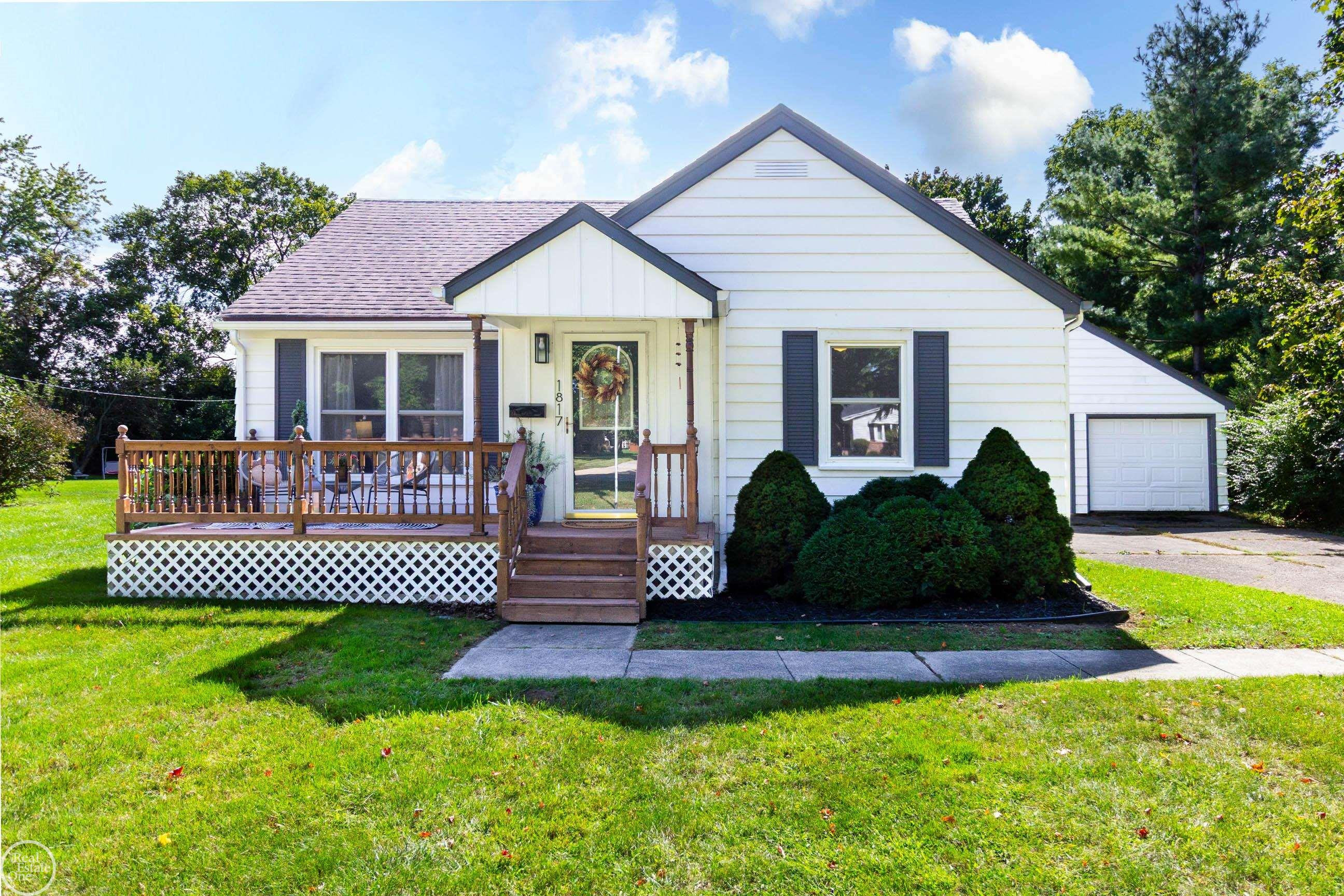
Recently Sold Homes in Marine City
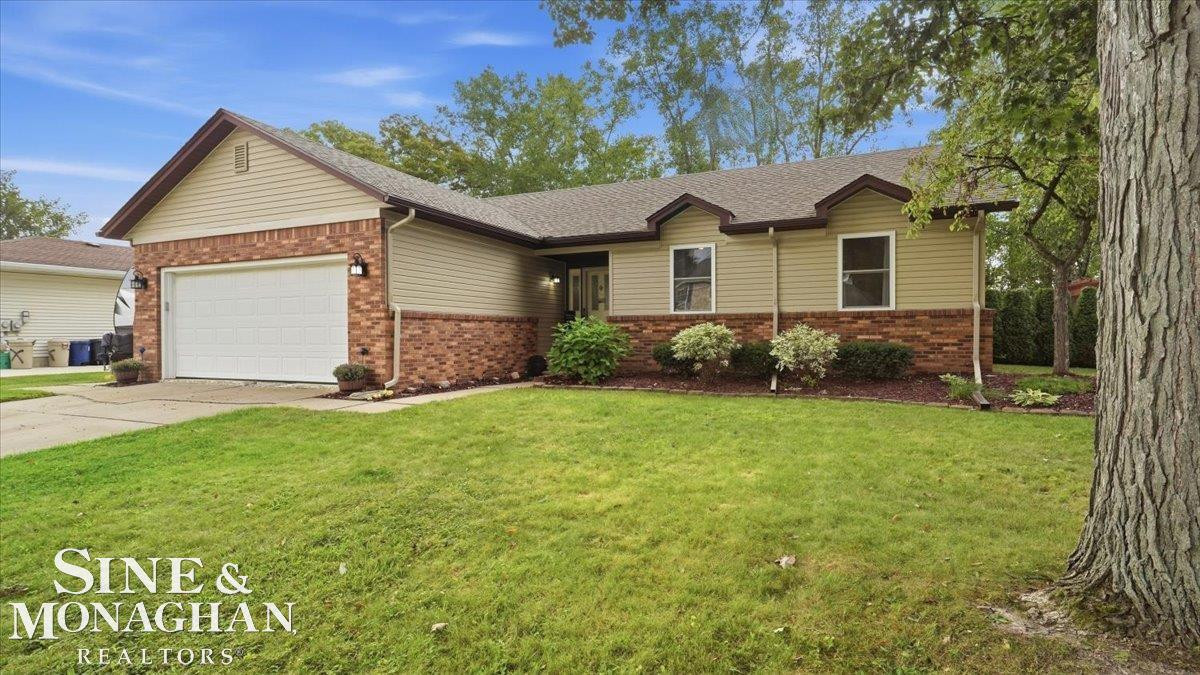
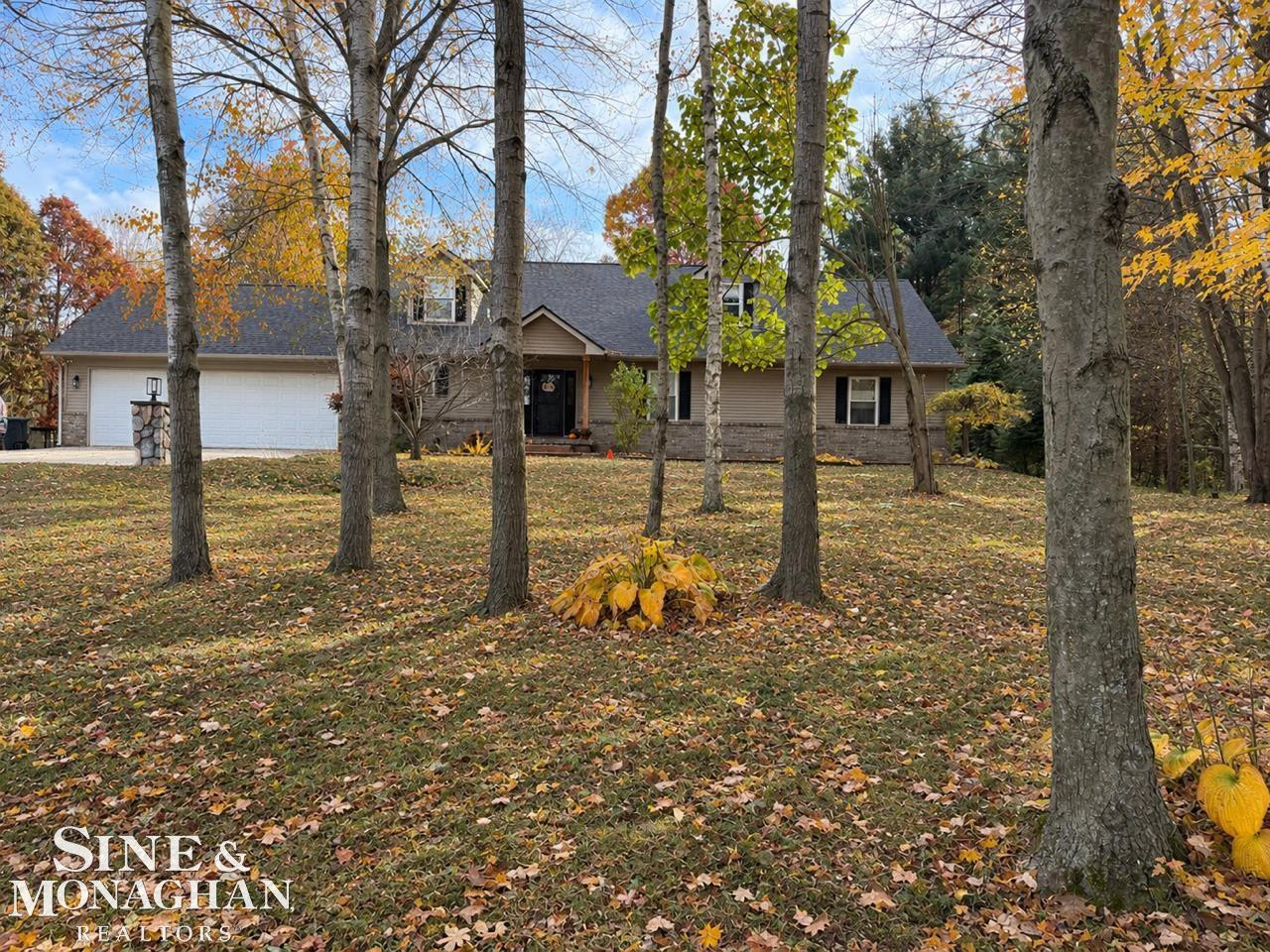
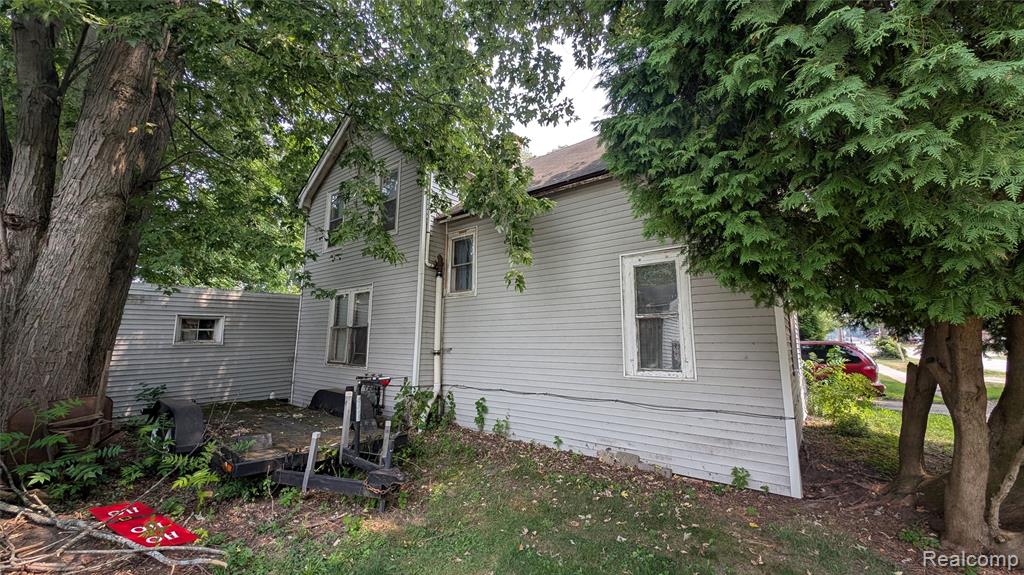
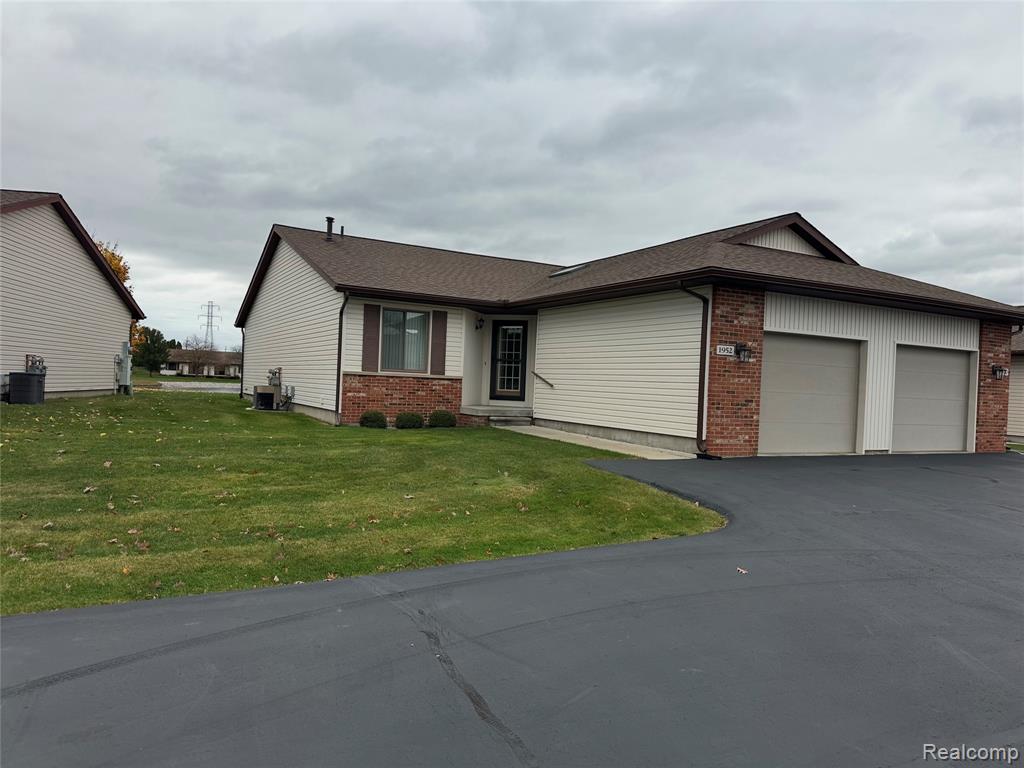
Marine City Commute & Transportation
Transportation centers on M-29 along the river, with the I-94 corridor a short distance inland connecting the area to Port Huron, metro Detroit, and the international Blue Water Bridge crossing. Air travel routes through Detroit Metropolitan Airport.
M-29 River Corridor
M-29 is the primary highway — a scenic route running directly along the river, connecting the city north toward St. Clair and Port Huron and south toward Algonac and the river delta. It is the spine of the River District, and most local trips between the connected river towns ride this corridor. The route is signature scenic driving for the area, with the international waterway in view for much of its length, and it functions as both the regional connector and a destination drive in its own right.
I-94 Corridor Access
Interstate 94 runs a short distance inland, connecting the area to metro Detroit (about 51 minutes south) and to Port Huron and the Canadian border to the north. The interstate is the primary route for local residents commuting to the Detroit-metro job market, and it gives the area realistic access to major-metro employment without requiring a metro address. For long-distance trips, I-94 also feeds west toward Ann Arbor and the I-69 split toward Lansing and West Michigan.
Port Huron & the Blue Water Bridge
Port Huron, about 27 minutes north, is the larger city of the area — home to the Blue Water Bridge international crossing to Sarnia, Ontario, and to McLaren Port Huron hospital and St. Clair County Community College. The city is the regional hub for the northern River District, and the cross-border access through the bridge adds an international dimension to the local economy, with daily traffic moving between Michigan and Ontario for work, family, and trade.
River Transportation & Regional Air
The river itself is one of the busiest commercial waterways in the Great Lakes — freighter traffic moves iron, grain, and bulk commodities through the corridor in a rhythm tied to the local maritime heritage. For commercial air travel, residents use Detroit Metropolitan Airport (DTW), about an hour south via the I-94 corridor — the same corridor that serves the metro commute, making the regional air connection a familiar and routine drive rather than a special trip.
Where Marine City Sits on the Map
Approximate drive times to other markets buyers commonly compare to Marine City. Times reflect typical non-rush conditions; commute hours add 15–30%.
Marine City Lifestyle, Entertainment & Recreation
Lifestyle is built on the river — the international waterway, freighter-watching as a daily pastime, a historic downtown of antique stores and theaters, the boating culture of the corridor, and a cross-border character that comes from looking directly across the water at Ontario.
The St. Clair River
The river is the center of local life — one of the busiest commercial waterways in the Great Lakes, with freighter-watching a beloved local pastime, plus boating, fishing, and riverfront recreation across the seasons. The maritime tradition runs deep here: this is historically the town where freighter captains lived, and the rhythm of the working river still shapes daily life. Living on or near the water — whether on direct frontage or a few blocks back in the historic core — is the defining local experience.
Historic Downtown — Antiques & Theaters
The walkable downtown is known for its concentration of ten antique stores, the 98-seat Snug Theater for live performances, the Riverbank Theater (which opened 2014/15 in a former bank building, originally Marine Bank Trust), and the Mariner Theatre — an event center and gallery that also houses the builders model for the ocean-going Titanic. The shipbuilding-era architectural character, Victorian landmarks like the 1885 Heather House, and the small arts-and-antiquing scene anchor the local culture.
Riverfront Parks & Boating Culture
Riverfront parks provide public access to the water, and the marina-and-boating culture connects the area to the broader river corridor and, downstream, to the river delta and Lake St. Clair. The boating lifestyle is woven through the community — recreational boats share the waterway with the working freighters, and the seasonal calendar revolves around the spring launch through fall haul-out. Public riverfront space is a core piece of the local identity, not an afterthought.
River Communities & Cross-Border Character
The city sits directly across the river from Sombra, Ontario, giving the community a distinctive international, cross-border character that is unusual for a town of this size. The string of River District towns — St. Clair, Algonac, and the river-delta communities — together form a connected waterfront culture of boating, antiquing, theater-going, and historic-downtown life that gives residents a regional lifestyle rather than a single-town one, with the international waterway as the connecting thread.
Marine City Healthcare & Medical Facilities
The local medical picture combines a community hospital footprint along the river corridor, a larger regional hospital in Port Huron, primary-care and urgent-care depth in the River District, and tertiary referral access to the metro Detroit academic systems within roughly an hour.
Ascension River District Hospital — East China
Ascension River District Hospital, in neighboring East China Township, is the closest hospital — providing emergency care, surgical services, imaging, and outpatient care for the River District communities. Its location within the connected township footprint means most residents are within a short drive for routine emergency and surgical needs, and the campus serves as the day-to-day anchor of the local hospital network rather than requiring a trip to Port Huron or Detroit for common services.
McLaren Port Huron
About 27 minutes north, McLaren Port Huron is the larger regional hospital — providing emergency and trauma care, cardiovascular medicine, surgical specialties, and a broad range of inpatient and outpatient services across St. Clair County. The hospital anchors a regional network of outpatient practices and clinics across the northern River District, and its trauma capability serves the international Blue Water Bridge crossing area in addition to the local population.
Local Outpatient & Primary Care
The corridor is served by a network of primary care practices, outpatient clinics, and urgent care along the river towns — handling routine and preventive care locally without the drive to a hospital campus. The depth of the practice network reflects the older population profile of the area (median age 45.3 with nearly 20% of residents age 65 or older), and the practices coordinate with both the East China and Port Huron hospital footprints for inpatient referrals.
Tertiary Referral — Metro Detroit
For the most complex tertiary and quaternary care — advanced cardiac surgery, comprehensive cancer care, transplant programs, and pediatric subspecialties — local patients are typically referred to the major metro Detroit hospital systems, about an hour south. The proximity gives a small river community real access to major academic medicine without relocating, and many families pair a local primary-care relationship with a metro specialist for ongoing complex care.
New Listings This Week in Marine City
Open House
$145,000
Open House
$144,000
New Listing
$445,000
New Listing
$124,900
Marine City Real Estate FAQ
QWhat is the average home price in Marine City?
Marine City is a smaller St. Clair River community with limited direct MLS market-statistic coverage. The broader St. Clair River area market generally ranges from affordable in-town homes around $110K-$280K, to downtown historic homes $120K-$350K, to direct St. Clair River frontage homes that reach $400K-$800K+. Edward can provide a precise, current market read for any specific Marine City-area property or street.
QWhat school district is Marine City in?
Marine City is served by the East China School District, which also serves the neighboring city of St. Clair and the surrounding East China and Cottrellville township areas. The surrounding St. Clair County communities have their own districts — Algonac Community Schools to the south and the Port Huron-area districts to the north. District boundaries are property-specific; verify exact assignment for any home.
QIs Marine City eligible for USDA loans?
Marine City limits are generally not USDA-eligible. However, the surrounding rural St. Clair County communities and townships — including Algonac, Casco Township, Columbus Township, Ira Township, and Cottrellville Township — ARE eligible for zero-down USDA loans in many cases. USDA eligibility in this area is highly property-specific; Edward verifies current USDA Rural Development eligibility for any property before an offer.
QHow long do homes typically stay on the market in Marine City?
Well-priced Marine City homes in active neighborhoods can sell in two to four weeks; mispriced inventory sits much longer. The key is accurate pricing from day one — Edward’s 25+ years across Michigan markets prevents the price-cut cycle that costs sellers thousands in final net.
QShould I use a Realtor or sell my home myself (FSBO)?
For most Marine City sellers, working with a licensed Realtor produces a higher final net after accounting for commission. National Association of Realtors data consistently shows FSBO transactions close at lower prices with more contingency complications. Edward’s dual-license advantage means he can pre-approve qualified buyers directly — which speeds closings, reduces fall-through risk, and gives you better negotiating leverage.
QWhat’s the financing process for buying a home in Marine City?
Step 1 — Get pre-approved (Edward can pre-approve you directly as a licensed Mortgage Loan Originator, NMLS #138424). Step 2 — Shop within your approved price range. Step 3 — Submit an offer with pre-approval letter attached. Step 4 — Home inspection plus appraisal. Step 5 — Loan underwriting and conditions. Step 6 — Closing. Edward handles both Realtor and Mortgage sides for Marine City buyers — eliminating the coordination friction that delays most transactions.
QWhy choose Edward Kalavitz for Marine City real estate?
Edward is dual-licensed as both a Michigan Realtor (#6501386956) and Mortgage Loan Originator (NMLS #138424). One expert handles your pre-approval, home search, offer, AND financing — eliminating the back-and-forth that delays most transactions. 25+ years of experience across Michigan’s six MLS networks (Water Wonderland Association, Realcomp II Limited, Northern Great Lakes MLS, MiRealSource, MichRIC, and Greater Lansing Association of REALTORS) gives statewide listing reach unmatched by single-MLS competitors.
Buy or Sell in Marine City with Edward Kalavitz
Dual-licensed Realtor & Mortgage Loan Originator — one trusted professional for your entire transaction.
Available When You Need Answers
Real estate questions don’t wait for business hours — and neither does Edward Kalavitz.

