
Homes for Sale in Flint, Michigan
Search all available listings, view market trends, and get expert guidance from Edward Kalavitz — your dual-licensed Flint Realtor and Mortgage Loan Originator with 25+ years of experience.
Realtor License #6501386956 · Turnkey Realty LLC • NMLS #138424 · Private Mortgage Guarantee LLC
In This Guide
- Market Dashboard
- Today’s Rates in Flint
- Michigan Mortgage Advisor
- Homes for Sale in Flint
- About Flint
- Neighborhoods & Subdivisions
- Property Types
- Schools & Education
- Cost of Living & Taxes
- Market Trends
- Mortgage Options in Flint
- Buying in Flint
- Selling in Flint
- Edward’s Local Take
- Watch: Meet Edward
- Nearby Cities
- Google Reviews
- Flint FAQ
- Available Hours
Flint Real Estate Market Dashboard
Mortgage Rates in Flint
Competitive pricing personalized to your scenario. Rates shown reflect 740+ credit, 30-year fixed terms unless noted.
Purchase Loans
Conventional Purchase
15-Year Conventional
FHA 30-Year Purchase
VA 30-Year Purchase
USDA Purchase & Refinance
USDA 30-Year Purchase
FHA Streamline Refi
Conventional Refinance
Jumbo & High-Balance
Jumbo / High-Balance
Not Sure Which Loan You Qualify For?
See the rates. Not sure which loan fits your situation? The Michigan Mortgage Advisor answers that in 60 seconds — analyzing your credit, down payment, and goals to recommend the best loan program and show you your real monthly payment on Flint Michigan real estate.
- Instant loan-type recommendation — FHA, VA, USDA, or Conventional
- Live rate and APR for your exact scenario
- Michigan-specific closing cost estimate
- No credit check required to start
Best loan for you: FHA
3.5% down
~$1,830/mo principal + interest
Your actual recommendation is calculated live based on your inputs.
Featured Flint Listings
Premium properties in the Flint area, $500K and above.
Browse Active Flint Listings
Filtered ZIPs: 48502,48503,48504,48505,48506,48507 · · · · · · 49525
About Flint, Michigan
Flint is the county seat of Genesee County and the 12th-most populous city in Michigan, with a 2020 census population of 81,252 and a 2024 estimate near 79,735. The city sits along the Flint River roughly 66 miles northwest of Detroit and serves as the principal city of the Central Michigan region. The wider metropolitan area, contained entirely within Genesee County, was home to 406,892 residents at the 2020 census — the fourth-largest metro in Michigan. Six ZIP codes (48502-48507) cover the city across 33.41 square miles.
Flint was founded in 1819 by fur trader Jacob Smith, who established a trading post at the Grand Traverse of the Flint River along the historic Saginaw Trail between Detroit and Saginaw. The settlement grew steadily as an overland stopover and was formally incorporated as a city in 1855. By 1860, Genesee County counted 22,498 residents within Michigan’s then-population of roughly 750,000.
In the latter half of the 19th century the area became a center of Michigan’s lumber industry, and revenue from lumber funded a local carriage-making industry that transitioned naturally into automobiles. The nickname ‘Vehicle City’ dates to that carriage-and-auto era.
The local economy is rooted in an automotive legacy that began in 1908, when William C. Durant founded General Motors in the city with headquarters initially registered there. Buick Motor Company moved to the area early in the century, AC Spark Plug originated locally, and Chevrolet’s first major manufacturing facility was built in the city — at one stretch all Chevrolets and Buicks were assembled there.
Modern employment is anchored by Genesee County government, Flint Community Schools, Kettering University, University of Michigan-Flint, Mott Community College, Hurley Medical Center, McLaren Flint, and regional manufacturing tied to surviving General Motors operations. Bishop International Airport provides commercial passenger service for the metro.
Neighborhood Guide · Flint, MI
Flint Neighborhoods
The neighborhoods covered below span 33.41 square miles within Genesee County and six ZIP codes (48502-48507). Inventory ranges from late-19th-century historic districts platted during the lumber-and-carriage boom to mid-20th-century single-family blocks built during the postwar General Motors expansion. Pricing varies sharply by district, with the broader residential stock offering some of the most accessible entry points in Genesee County.
Downtown Flint / Saginaw Street
The historic county-seat core organized along Saginaw Street, the corridor that grew out of the original Saginaw Trail stopover Jacob Smith established in 1819. Inventory in and immediately around the downtown grid mixes converted commercial-to-residential loft space, century-old multi-story buildings, and smaller single-family homes on tight lots within walking distance of county government, the Flint River, and the central business district. The area carries the deepest concentration of pre-1900 commercial architecture in Genesee County and serves as the civic heart of the metro.
Walkability: Highly walkable downtown grid — county government, riverfront, and central business district reachable within a 10-minute walk.
Buyer fit: Common among buyers prioritizing walkable historic county-seat character, downtown civic access, and the kind of pre-war architectural fabric that the original 1819 trading-post settlement and 1855 incorporation produced. A frequent fit for remote-work professionals and downsizing buyers who want low-maintenance footprints.
Carriage Town Historic District
A historic district anchored in the late-19th-century carriage-making boom that grew out of the local lumber industry — the same industrial lineage that produced Buick, the founding of General Motors in 1908, and the city’s ‘Vehicle City’ identity. Inventory is dominated by Victorian-era single-family homes on grid-pattern blocks, with porches, period detailing, and the compact lot sizes typical of pre-automobile platting. The district sits within walking distance of the central business district and the Flint River.
Walkability: Walkable historic district with sidewalks throughout; downtown and riverfront reachable within a 15-minute walk.
Buyer fit: Common among buyers prioritizing Victorian architectural character, walkable historic-district streetscape, and proximity to the automotive-heritage landmarks that define the local identity. A frequent fit for restoration-minded owner-occupants and buyers trading newer-construction footprints for original architectural detail.
Flint Cultural Center Area
The residential blocks adjacent to the cluster of cultural institutions that includes Sloan Museum, the Flint Institute of Arts, and Whiting Auditorium. Inventory in the area runs to early- and mid-20th-century single-family homes built during the auto-industry expansion period, with larger lots than the downtown core and mature tree canopy on most blocks. The cultural-institution adjacency makes the area one of the most amenity-rich residential zones in Genesee County.
Walkability: Walkable to the Cultural Center campus; downtown reachable by short drive or extended walk.
Buyer fit: Common among arts-and-cultural workforce, museum and performing-arts patrons, and buyers who want a quieter residential setting within walking distance of programming. A frequent fit for buyers prioritizing cultural-amenity access over downtown immersion.
Kettering University Area
The residential blocks near Kettering University — an engineering-focused institution with deep historic ties to the automotive industry that took shape in the city during the early 20th century. Inventory runs to early- and mid-20th-century single-family homes on grid blocks, with a mix of owner-occupants and rental conversions tied to the university’s cooperative-education calendar. The area sits within easy reach of both the Cultural Center cluster and the downtown core.
Walkability: Walkable to the Kettering campus; sidewalks throughout most residential blocks.
Buyer fit: Common among Kettering-affiliated faculty, staff, and graduate students, plus investor-owners targeting the cooperative-education rental cycle. A frequent fit for buyers who want a campus-proximate residential setting with access to engineering employment and the broader cultural campus to the east.
College Cultural District
A residential district that bridges the cultural-institution cluster and the higher-education corridor. Inventory leans to larger early-20th-century homes on tree-lined blocks, with porches, hardwood interiors, and the kind of period detailing produced during the auto-industry expansion that followed the 1908 founding of General Motors in the city. The district draws faculty, museum staff, medical professionals, and long-tenure owner-occupants who value architectural depth.
Walkability: Sidewalks throughout neighborhood blocks; Cultural Center and university amenities reachable on foot.
Buyer fit: Common among buyers prioritizing cultural-and-academic character, larger historic lot sizes, and the established neighborhood feel produced by mature tree canopy and consistent pre-war architectural patterns. A frequent fit for university faculty, healthcare professionals, and buyers wanting both walkability and lot size.
Greater Flint Residential
The broad stock of mid-20th-century single-family residential blocks across the rest of the city — the housing built during the postwar General Motors expansion, when local Buick and Chevrolet manufacturing employment peaked. Inventory is overwhelmingly detached single-family homes on standard lots, with garages, basements, and the modest footprints typical of auto-industry-era worker housing. Pricing in this band offers some of the most accessible entry points in Genesee County.
Walkability: Walkable to neighborhood amenities; most blocks have sidewalks and access to local parks.
Buyer fit: Common among year-round residents, first-time buyers entering Genesee County, and investor-owners targeting workforce-rental demand tied to county government, school district, and healthcare employment. A frequent fit for buyers prioritizing price accessibility, lot size, and freeway proximity over historic-district character.
Property Types in Flint
Single-Family Homes
The core of the local inventory is detached single-family housing — mid-20th-century homes built during the postwar General Motors expansion, plus earlier housing stock in the historic districts. Pricing across broader residential blocks typically runs $80K-$300K, while Carriage Town, the College Cultural District, and the Cultural Center area can reach higher. Lot sizes, basement-and-garage configurations, and condition vary widely block by block, which is why street-level diligence matters.
Condos & Townhouses
The condo and townhouse inventory in Genesee County is moderate in volume and concentrated in select downtown conversions and suburban-edge developments. Pricing is more accessible than comparable Detroit-metro inventory, and the format suits buyers prioritizing lower maintenance, lock-and-leave flexibility, and proximity to the central business district. HOA structures, reserve health, and special-assessment history vary widely and warrant careful review before any offer.
New Construction
The new-construction market within city limits is modest in volume and skews toward infill and redevelopment projects rather than greenfield subdivisions. Surrounding Genesee County communities — Grand Blanc, Davison, Flushing, and Fenton among them — carry the larger share of new single-family construction. For buyers committed to new build inside the city, the pipeline is real but limited, and timing the right release window matters.
Investment Properties
Rental and investment inventory is anchored by Genesee County workforce demand tied to county government, school district, healthcare, and the higher-education cluster. Entry points are among the most accessible in Central Michigan, but block-level diligence on tenant base, turnover, and deferred maintenance matters more here than in higher-priced markets. Buyers should underwrite conservatively and inspect rigorously — strong returns are real, but so are the floor-condition properties.
Waterfront Homes
Riverfront and small-water parcels in and around Genesee County include sites along the Flint River — the same waterway Jacob Smith chose for his 1819 trading post — plus smaller inland-lake frontage in the surrounding townships. True large-lake frontage is limited within the immediate metro, but nearby Linden, Fenton, and Holly add waterfront inventory within a 22-minute drive of the city center.
Luxury Homes
The higher-end inventory in the city concentrates in Carriage Town, the College Cultural District, and the Cultural Center area, where Victorian-era and early-20th-century homes offer architectural depth, larger lot sizes, and mature tree canopy unavailable in newer construction. Outside the historic districts, the luxury price band thins quickly, with most buyers seeking larger luxury homes looking at Grand Blanc, Fenton, or Davison rather than within city limits.
Flint Schools & Education
Education in the city is organized around the public district, three higher-education institutions, and a roster of private and parochial alternatives. The higher-education concentration — engineering, four-year liberal arts, and community-college pathways within a few miles of the central business district — is one of the densest in Central Michigan and a meaningful factor for buyers with college-bound children.
Flint Community Schools
The public school district serving residents within city limits, with elementary, middle, and high school programs distributed across the city’s neighborhoods. The district operates Southwestern Classical Academy among other facilities and serves a student population concentrated in the residential blocks that took shape during and after the mid-20th-century auto-industry expansion. District assignment is property-specific because catchment lines do not always follow neighborhood or ZIP boundaries — confirmation against the address is part of the buyer consultation. The district has long-running magnet, charter, and inter-district school-of-choice options that families regularly use to tailor educational fit.
Kettering University / UM-Flint / Mott Community College
Three higher-education institutions anchor the local academic identity. Kettering University is an engineering-focused private university with cooperative-education roots tied to the early-20th-century automotive industry that took shape in the city. The University of Michigan-Flint, the regional campus of the University of Michigan system, provides four-year and graduate programs in the downtown core. Mott Community College serves the broader Genesee County region with two-year, transfer, and workforce-credential pathways. The cluster — engineering, four-year liberal arts, and community college within roughly a mile of one another — gives families unusually concentrated higher-education access.
Private & Parochial Options
The broader area maintains a roster of private and parochial schools serving K-12 families across multiple denominations and educational philosophies. These programs draw from city neighborhoods and the surrounding Genesee County communities (Burton, Grand Blanc, Davison, Flushing, Fenton, Linden, Holly, and Durand all sit within a 23-minute drive of the central business district). Tuition, admissions timing, and transportation arrangements vary widely; many programs offer financial aid and sibling discounts. Families considering private and parochial routes should confirm application windows early — most operate on a different enrollment calendar than the public district.
School district boundaries cross municipal lines and assignments shift periodically. Confirm exact district assignment for any specific property with Edward — he verifies district and enrollment options as part of the buyer consultation.
Cost of Living & Property Taxes in Flint
One of the biggest advantages of Flint Michigan real estate is affordability relative to comparable metro areas. Here’s what it costs to live in Flint.
—
Avg. Home Price
$32,000
Median Household Income
—
Property Tax Rate
Property Taxes
Flint property taxes are calculated on a home’s taxable value — roughly 50% of market value in Michigan — multiplied by the local total millage rate (city or township + county + school + intermediate school district). Your exact tax depends on the specific property and jurisdiction within the Flint area; Edward provides a precise estimate for any home you’re considering.
If the home is your primary residence, file the Michigan Principal Residence Exemption (PRE) — it removes 18 mills (the local school operating millage) from your tax bill. On an average-priced Flint home, the PRE saves roughly $590 per year, typically 30–40% of total property taxes. The PRE is filed once at closing and stays in effect as long as you live in the home.
Cost Comparison
Michigan offers among the lowest costs of living in the Great Lakes region. Housing, property taxes, and — since the 2020 no-fault auto insurance reform — vehicle insurance all run below national averages, and Michigan has no local income tax in most jurisdictions. For buyers relocating from higher-cost metros, that combination means a given budget reaches noticeably further in Flint than in comparable out-of-state markets.
Within Flint, the real cost variable is neighborhood and property type rather than the city overall. Edward walks buyers through total monthly cost — mortgage, taxes, insurance, and utilities — for any specific Flint home so the comparison is grounded in real numbers, not averages.
Flint Market Trends
Understanding market trends helps buyers and sellers make better decisions in the Flint Michigan real estate market. Here’s what the data shows.
Key Trends for 2026
Prices rising steadily
Flint home values continue to appreciate, outpacing the national average.
Low inventory
Current supply is well below a balanced market (typically 4–6 months), meaning demand significantly exceeds available homes.
Fast-moving market
Well-priced homes in desirable neighborhoods sell in under 2 weeks. Buyers need pre-approval ready.
Spring/summer peak
Historically, Flint sees the strongest buyer activity from April through August.
New construction increasing
Developers are adding inventory in suburban areas, but supply still lags demand.
Mortgage Options for Flint Homebuyers
This is where Edward Kalavitz gives you an advantage no other Flint Realtor can match. As a dual-licensed Realtor AND Mortgage Loan Originator, Edward handles both your home search and your financing — saving you time, money, and the hassle of coordinating between multiple professionals.
FHA Loans
№ 013.5% down with credit scores as low as 580. The most popular choice for Flint first-time buyers. Lower down payment and more flexible qualification.
Conventional Loans
№ 023-20% down with credit scores of 620+. Competitive rates and no upfront mortgage insurance with 20% down. Best for buyers with strong credit.
VA Loans
№ 030% down for veterans and active military. No monthly PMI. The best loan program available — if you qualify, Edward will make sure you use it.
USDA Loans
№ 040% down — Flint city limits are NOT USDA-eligible. However, nearby communities in Genesee County (Otisville, Otter Lake, Columbiaville, Goodrich, and Davison) ARE eligible for zero-down USDA loans. Income limits apply (typically 115% of area median income).
MSHDA Down Payment Assistance
№ 05Up to $10,000 in down payment help from the Michigan State Housing Development Authority. Income limits apply — Edward checks eligibility at your consultation.
Payment Calculator
№ 06See exactly what a Flint home costs per month. Try our free mortgage calculator or affordability calculator.
Buying a Home in Flint — Step by Step
Whether you’re a first-time buyer or experienced homeowner, here’s how to buy in the Flint Michigan real estate market with Edward Kalavitz handling both your Realtor and mortgage needs.
Get Pre-Approved (Free)
Call Edward at (616) 633-3692 or apply online. He’ll compare FHA, VA, USDA, and conventional options simultaneously and issue your pre-approval letter — typically within 24 hours. This tells sellers you’re a serious, qualified buyer.
Search Homes in Flint
With pre-approval in hand, Edward helps you search Flint neighborhoods that match your budget and lifestyle. As your Realtor, he can schedule showings, provide neighborhood insights, and run live payment scenarios as you tour homes.
Make an Offer & Negotiate
When you find the right home, Edward writes your offer with competitive terms informed by current Flint market data. In a fast-moving Flint market, having a Realtor who understands both the real estate and financing side gives you a strategic advantage.
Inspection, Appraisal & Closing
Edward manages the entire pipeline — home inspection coordination, appraisal ordering, title work, underwriting, and closing preparation. One point of contact through the entire process.
Welcome Home to Flint!
On closing day, you sign final documents and receive your keys. Edward ensures every number is accurate and every fee is verified. You’re now a Flint homeowner.
Edward’s Selling Advantage
Selling Your Home in Flint
Selling a home in Flint in 2026 rewards preparation. Accurate pricing from day one, professional presentation, and strategic timing are what separate listings that attract strong offers from those that linger on the market. Edward’s dual-license perspective — licensed Realtor and Mortgage Loan Originator — means he prices with both sides of the transaction in view, and can pre-qualify incoming buyers to keep your closing on track.
As your listing agent, Edward Kalavitz handles every step of the local selling process — comparative market analysis using current Flint comps in your specific neighborhood, professional pricing strategy informed by 25+ years of Michigan real estate experience, MLS listing on the Edward’s statewide MLS network (Water Wonderland Association, Realcomp II Limited, Northern Great Lakes MLS, MiRealSource, MichRIC, and Greater Lansing Association of REALTORS), professional photography and digital marketing, open house scheduling, offer negotiation, and full coordination through inspection, appraisal, and closing.
Most Flint sellers find that listing in April through August captures the strongest buyer activity — but well-priced homes sell year-round in this market.
Edward’s dual license as both a Michigan Realtor (#6501386956) and Mortgage Loan Originator (NMLS #138424) gives sellers a meaningful advantage that single-licensed agents simply can’t match.
When offers come in, Edward immediately vets each buyer’s financing strength with a lender’s eye — flagging weak pre-approvals before you accept an offer that might fall through, identifying buyers whose lock periods are about to expire, and reducing the risk of a deal collapsing in underwriting two weeks before close. In a fast market like Flint, fewer fall-throughs means faster, more certain closings.
Before you list, run the numbers. Edward’s Seller Net Sheet Calculator shows your estimated proceeds after agent commissions, title fees, transfer taxes, and remaining mortgage payoff — so you know exactly what you’ll walk away with before you sign a listing agreement. For a free home valuation and listing strategy consultation, call Edward at (616) 633-3692.
Edward’s Local Take on Flint

Twenty-five years working across this market, here’s how I help buyers think about Flint by priority. The city has real layered character — the ‘Vehicle City’ heritage, the Cultural Center, Kettering University, and the dual-freeway location at I-75 and I-69. Different buyers prioritize different combinations, and the right neighborhood depends on which mix you value most. Below are the five priority patterns I see most often, with the neighborhoods that match each and the specific guidance I’d offer once we sit down together.
Edward Kalavitz
Watch: Meet Edward
Get to know Edward Kalavitz — learn how he helps Flint Michigan families buy, sell, and finance homes with dual-licensed real estate and mortgage expertise.
Nearby Cities
Exploring the Flint Michigan real estate market but open to nearby communities? These cities are all within a short drive and offer different price points and neighborhood character — explore each one’s listings below.
What Clients Say About Working with Edward
Edward is a dual-licensed Realtor & Mortgage Loan Originator. Reviews include clients from both his real estate and mortgage practices.
“Very Professional and Thorough”
“Edward is very professional and thorough. Had a great experience working with him. Everything went very smooth.”
“Great to Have 2 in 1”
“Ed was very responsive, knowledgeable, and made our first home buying experience great! He’s a relator and lender, which was great to have “2 in1”. We were able to look at houses and run number the same day. He was very flexible with times we needed to set up showings, as well as very informative and organized with paperwork! I appreciate his expertise greatly!”
“Works Hard 24/7”
“Ed is wonderful to work with! He is very thorough, experienced, and friendly. Ed works hard 24/7 to give you the best mortgage experience and is always able to help with whatever you need!”
“Above and Beyond”
“Edward is a great relator and loan officer. He helped my fiance and I buy our first home. We called him back when we were ready to sell and buy our forever home. He again went above and beyond to make the process swift and easy. I recommend him to my friends and family who are looking into buying, selling or refinacing their home!”
“Closing Came Sooner Than Anticipated”
“Edward was up front, professional and most helpful in first determining if I was a good candidate for a mortgage re-Fi. My case was Probably not the easiest , however, he made my “homework” manageable. The closing came sooner than anticipated , thanks to his perseverance, knowledge and professionalism .”
“Not Only My Realtor — My Friend”
“Edward was an excellent help in the most stressful time of my life. My son passed away in 2018 and I had to sell his home. Edward alleviated some stress by being patient, organized and communicated thoroughly the entire process. He not only was my realtor/loan officer but he was my friend! Highly recommend him for any home needs!”
Recently Sold Homes in Flint
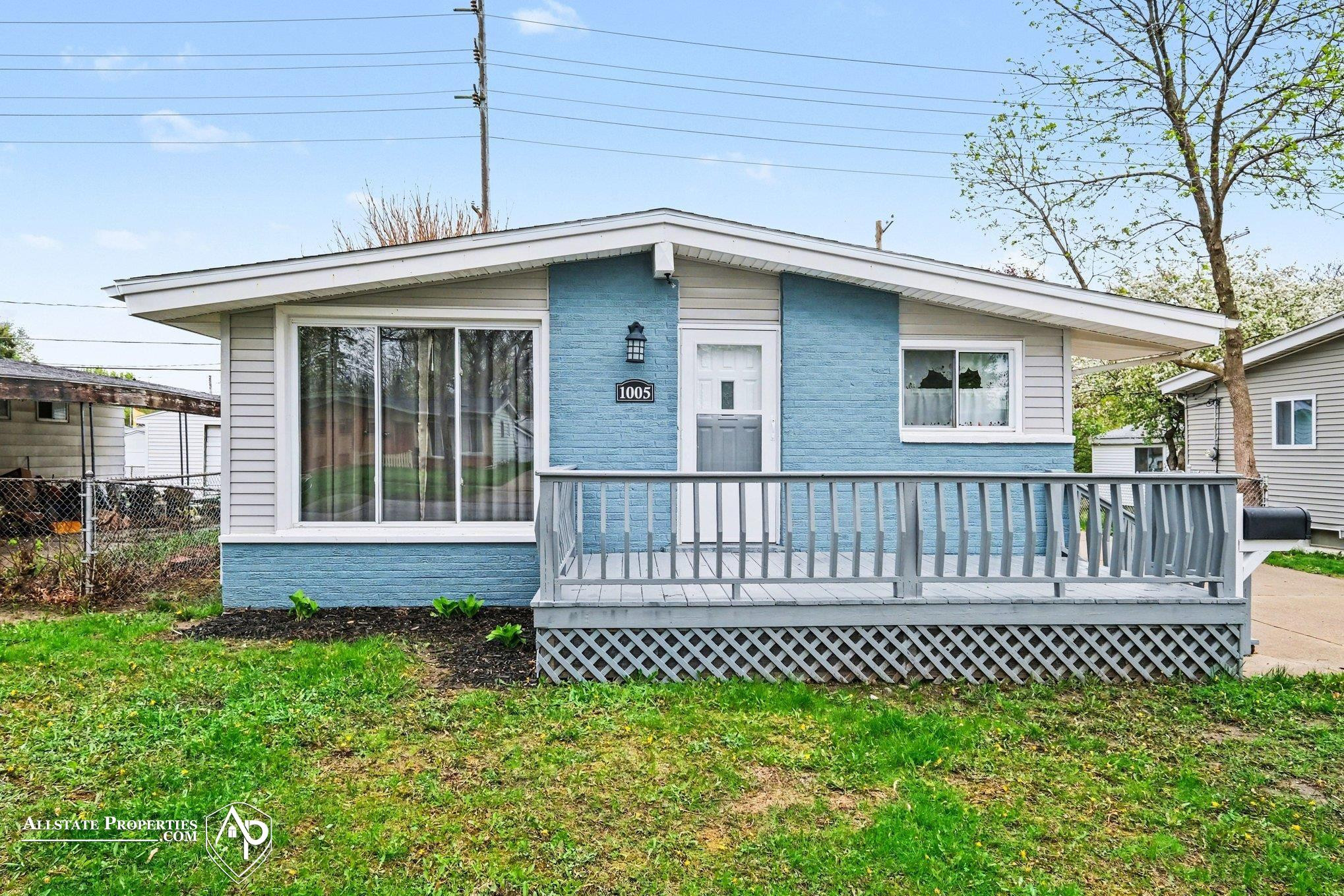

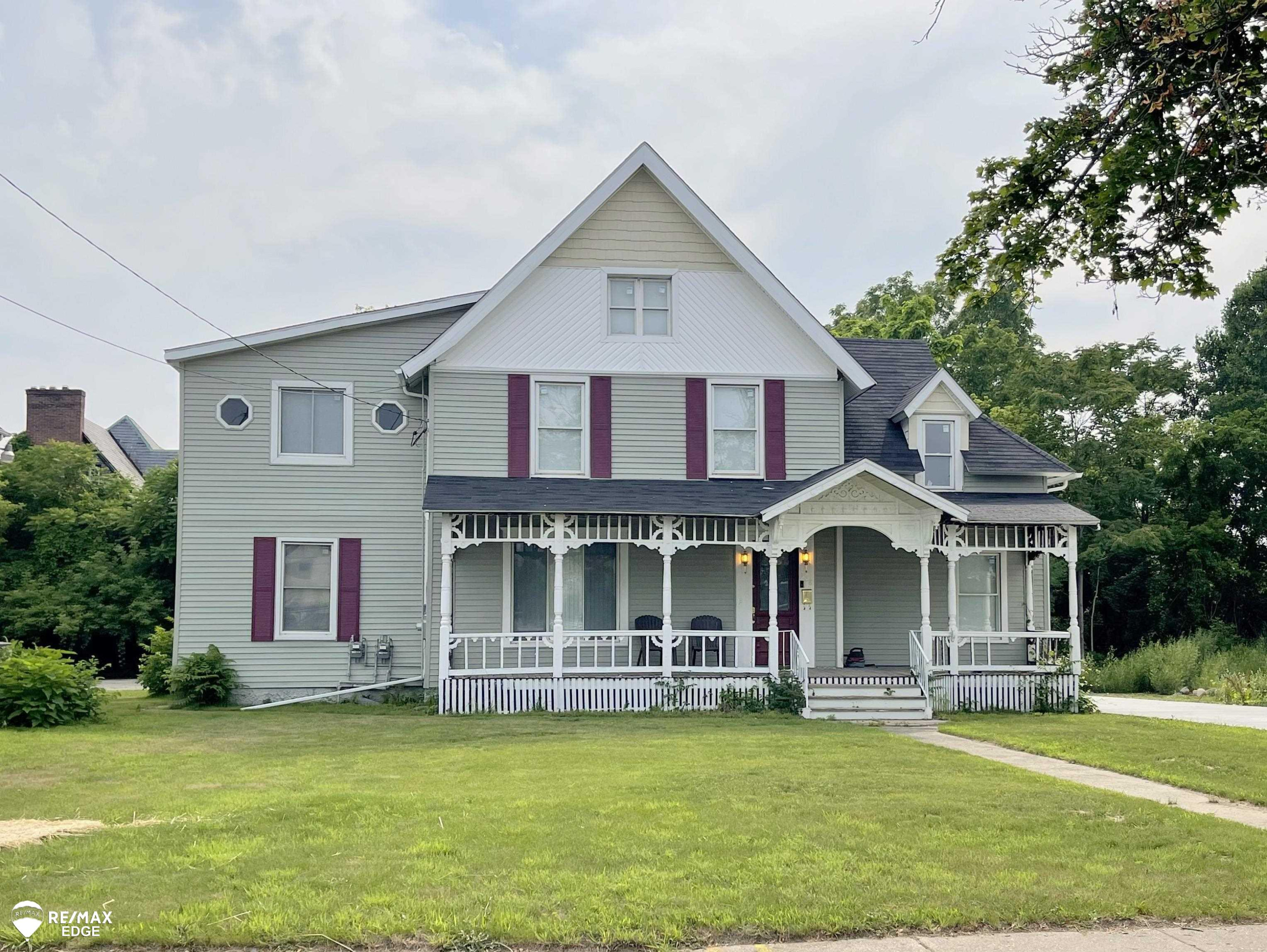
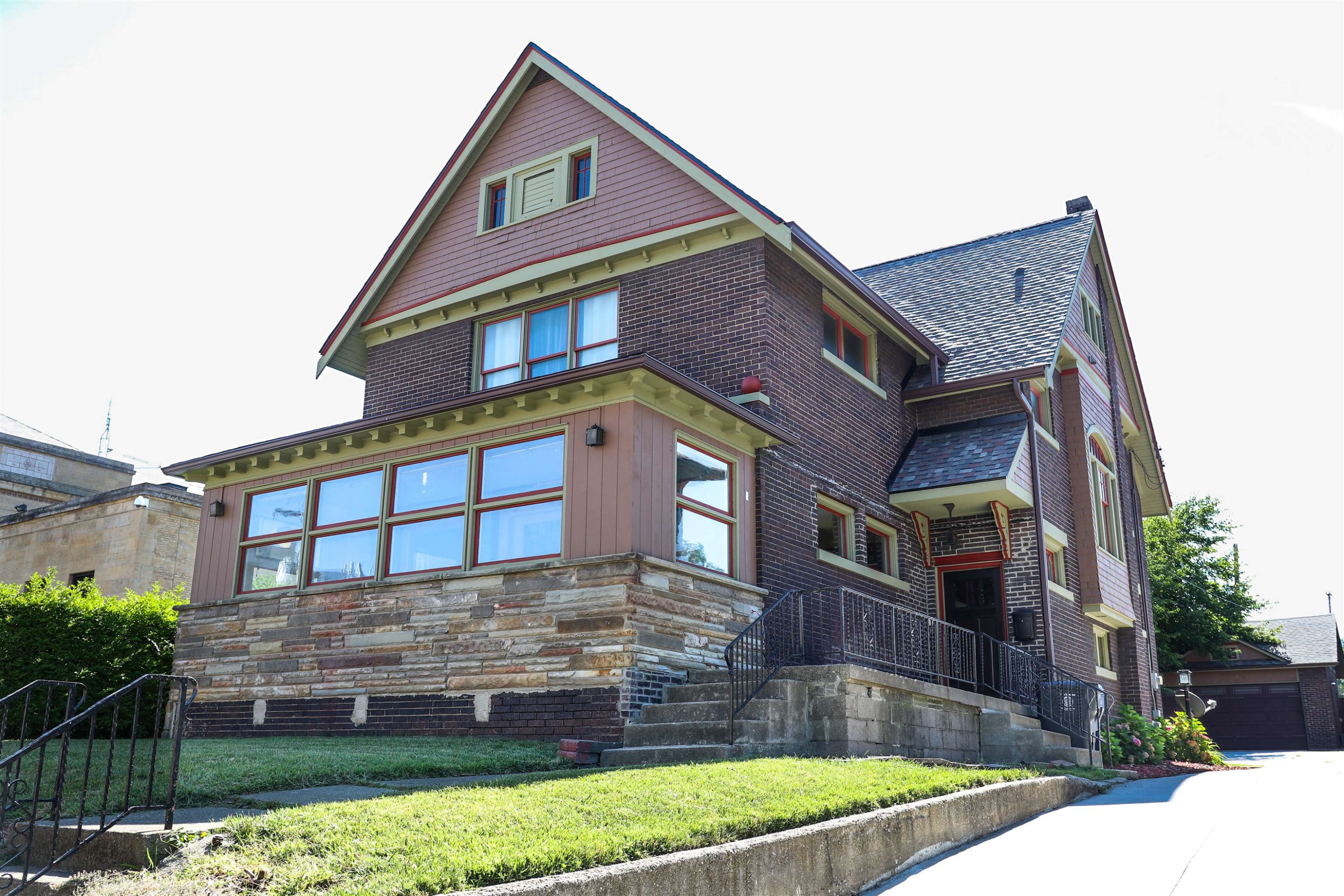
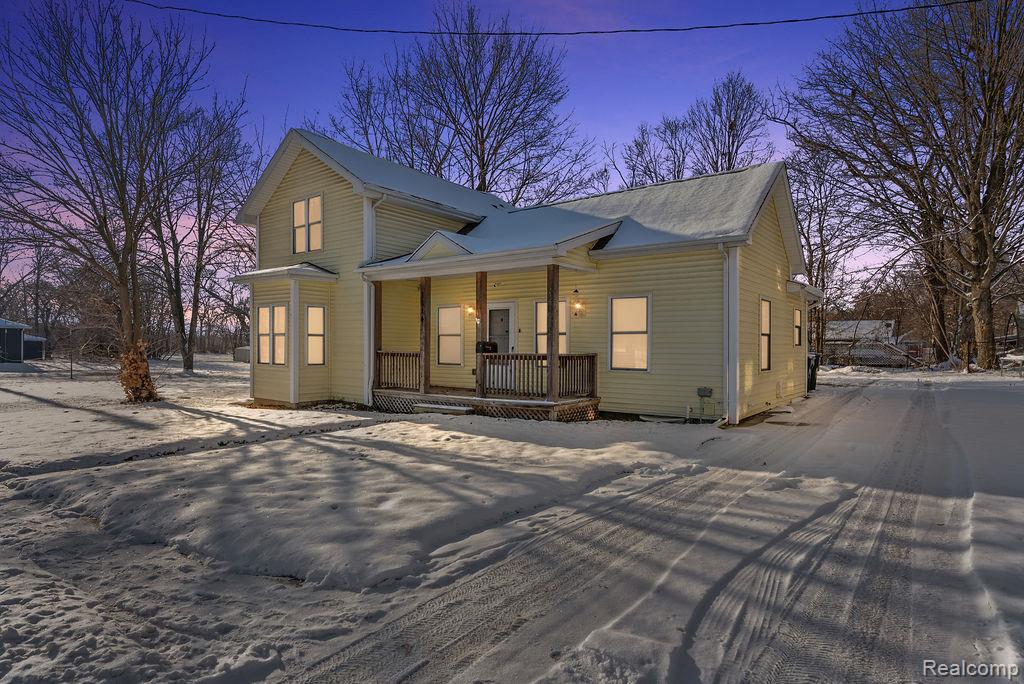

Flint Commute & Transportation
The city sits at the intersection of two major interstate corridors — I-75 running north-south between Detroit and Bay City, and I-69 running east-west between Port Huron and Lansing. The dual-freeway location makes a wider range of metro destinations practical from a single home base than is typical in Central Michigan, and supports both daily commute patterns and longer regional trips.
Interstate 75
I-75 provides the primary north-south freeway connection through Genesee County, running from Detroit south of the metro to Bay City and points north. For city residents the corridor supports daily commutes to the Detroit metro (roughly 60 minutes to downtown Detroit, with intermediate stops in Auburn Hills and Pontiac), plus weekend access to northern Michigan recreation. The freeway is the spine of the local commute pattern for buyers working any point along the Detroit-Pontiac-Saginaw axis.
Interstate 69
I-69 provides the primary east-west freeway connection, running from Port Huron through Genesee County west to Lansing and the I-94 / I-96 interchange. For local residents the corridor opens a 52-minute commute to Lansing, the state capital, and onward access to Michigan State University and the broader West Michigan region. Combined with I-75, the east-west axis means buyers can reach Detroit, Lansing, Ann Arbor, and the Tri-Cities from one home base.
Detroit Metro Access
The 60-minute drive to Detroit puts the full Detroit metro within commuting range — downtown Detroit business districts, the Detroit Medical Center cluster, Wayne State University, and the broader Wayne County employment market. Detroit Metropolitan Airport (DTW) is also reachable within a similar timeframe via I-75, which gives city residents domestic and international air access without keeping a vehicle at the airport overnight. The proximity supports both daily commuters and frequent business travelers.
Regional Air Access
Bishop International Airport within the city provides commercial passenger service for the metro, with regional connections to major hubs. The in-metro airport means residents avoid the drive to DTW for many domestic itineraries, and the parking-and-access advantage is meaningful for frequent regional travelers. For longer international itineraries, DTW remains the primary connection point and is roughly 60 minutes south via I-75.
Where Flint Sits on the Map
Approximate drive times to other markets buyers commonly compare to Flint. Times reflect typical non-rush conditions; commute hours add 15–30%.
Flint Lifestyle, Entertainment & Recreation
Lifestyle in the city reflects three overlapping identities — the automotive heritage that produced the ‘Vehicle City’ nickname and the founding of General Motors in 1908, the cultural-institution cluster that anchors the Cultural Center, and the higher-education concentration anchored by Kettering University and the University of Michigan-Flint. Together they give residents an unusually layered set of weekend and after-work options for a Central Michigan metro of this size.
‘Vehicle City’ Heritage
The automotive heritage is the defining cultural through-line — the 1908 founding of General Motors in the city by William C. Durant, the Buick and Chevrolet manufacturing roots, the origin of AC Spark Plug, and the 1936-37 sit-down strike that played a pivotal role in the formation of the United Auto Workers. The heritage shows up in local museums, historical markers, automotive-themed events, and the carriage-era streetscape preserved in the Carriage Town Historic District.
Flint Cultural Center
The Cultural Center cluster — Sloan Museum, the Flint Institute of Arts, and Whiting Auditorium among other institutions — is the primary cultural amenity for the metro and serves the broader Central Michigan region. The Institute of Arts is one of the larger fine-art museums in the state, and the campus hosts performing-arts programming year-round. The concentration of institutions on a single campus gives residents walking-distance access to art, history, and performance without crossing to Detroit or Lansing.
Kettering University
Kettering University, an engineering-focused private institution with cooperative-education roots tied to the auto industry, brings a steady year-round flow of students, faculty, alumni events, and engineering programming into the central city. The campus is one of the most academically distinctive in Central Michigan and gives the surrounding neighborhoods an unusual mix of professional and student energy. Public lectures and engineering-themed events are open to the broader community.
Genesee County Seat
County-seat status anchors the local civic identity — Genesee County government, courts, and administrative offices are concentrated downtown, which sustains a steady daytime population of professionals, attorneys, and county employees. The civic infrastructure supports a downtown lunch-and-after-work scene, public meetings, and the kind of central-business-district fabric that ZIP-code-only suburbs do not produce. The first Ladies’ Library Association in Michigan was founded here in 1851 — an early signal of the civic culture that still defines the downtown.
Flint Healthcare & Medical Facilities
Medical infrastructure in the city is anchored by two major hospitals within the central area and a third regional hospital just south in Grand Blanc, with tertiary and quaternary referral pathways available through the major academic systems in Detroit and Ann Arbor. The combined inpatient and outpatient capacity makes Genesee County one of the better-served healthcare markets in Central Michigan.
Hurley Medical Center
A regional academic medical center serving Genesee County and the broader Central Michigan region with full inpatient, emergency, and specialty-service capacity. The hospital functions as both a primary care destination for city residents and a referral center for the surrounding counties. The academic-medical-center designation means residents have local access to advanced specialties without crossing to the Detroit or Ann Arbor metros for most needs.
McLaren Flint
A regional comprehensive medical center within the city, providing inpatient, outpatient, emergency, and specialty care for residents and the surrounding Genesee County communities. McLaren operates as a full-service regional hospital and gives buyers a second major in-city option for primary, specialty, and emergency care without leaving the metro. The presence of two major hospitals within the city limits is unusual for a Central Michigan metro of this size.
Genesys Regional Medical Center – Grand Blanc
A third regional hospital roughly 14 minutes south in Grand Blanc, serving the southern Genesee County corridor and giving buyers in the I-75 / I-69 corridor a third in-county hospital option. The facility provides inpatient, outpatient, emergency, and specialty care, and is especially relevant for buyers in southern city neighborhoods, Burton, Grand Blanc, Fenton, and the Davison corridor — most of whom can reach all three Genesee County hospitals within 20 minutes.
Tertiary Referral — Major Academic Systems
For tertiary and quaternary care — complex oncology, advanced cardiac, transplant, pediatric specialty — residents have referral access to the major academic systems in the Detroit and Ann Arbor metros, including Beaumont Health, Henry Ford Health, and the University of Michigan health system. With Detroit reachable in roughly 60 minutes and Ann Arbor in 53 minutes via I-75 and US-23, the most complex cases stay within reasonable driving range for both patients and visiting family.
New Listings This Week in Flint
Flint Real Estate FAQ
QWhat is the average home price in Flint, Michigan?
Flint home pricing varies substantially by area — based on current MLS market activity, broader residential blocks run $80K-$300K, with historic Carriage Town and College Cultural District properties reaching $360K+. (Note: the city’s data in the live municipal-statistics dashboard is being re-verified — Edward provides a precise, current market read for any specific Flint property or street.)
QWhat school district is Flint, Michigan in?
Flint is served by Flint Community Schools — operating Southwestern Classical Academy and other Flint-area schools. Kettering University and University of Michigan-Flint anchor premier higher-education identity. District assignment is property-specific.
QIs Flint, Michigan eligible for USDA loans?
Flint is generally not USDA-eligible as the Genesee County seat. Eligible nearby communities include Otisville, Otter Lake, Columbiaville, Goodrich, and Davison. Eligibility is property-specific.
QHow long do homes typically stay on the market in Flint?
Well-priced Flint homes in active neighborhoods can sell in two to four weeks; mispriced inventory sits much longer. The key is accurate pricing from day one — Edward’s 25+ years across Michigan markets prevents the price-cut cycle that costs sellers thousands in final net.
QShould I use a Realtor or sell my home myself (FSBO)?
For most Flint sellers, working with a licensed Realtor produces a higher final net after accounting for commission. National Association of Realtors data consistently shows FSBO transactions close at lower prices with more contingency complications. Edward’s dual-license advantage means he can pre-approve qualified buyers directly — which speeds closings, reduces fall-through risk, and gives you better negotiating leverage.
QWhat’s the financing process for buying a home in Flint?
Step 1 — Get pre-approved (Edward can pre-approve you directly as a licensed Mortgage Loan Originator, NMLS #138424). Step 2 — Shop within your approved price range. Step 3 — Submit an offer with pre-approval letter attached. Step 4 — Home inspection plus appraisal. Step 5 — Loan underwriting and conditions. Step 6 — Closing. Edward handles both Realtor and Mortgage sides for Flint buyers — eliminating the coordination friction that delays most transactions.
QWhy choose Edward Kalavitz for Flint real estate?
Edward is dual-licensed as both a Michigan Realtor (#6501386956) and Mortgage Loan Originator (NMLS #138424). One expert handles your pre-approval, home search, offer, AND financing — eliminating the back-and-forth that delays most transactions. 25+ years of experience across Michigan’s six MLS networks (Water Wonderland Association, Realcomp II Limited, Northern Great Lakes MLS, MiRealSource, MichRIC, and Greater Lansing Association of REALTORS) gives statewide listing reach unmatched by single-MLS competitors.
Buy or Sell in Flint with Edward Kalavitz
Dual-licensed Realtor & Mortgage Loan Originator — one trusted professional for your entire transaction.
Available When You Need Answers
Real estate questions don’t wait for business hours — and neither does Edward Kalavitz.

