
Homes for Sale in Detroit, Michigan
Search all available listings, view market trends, and get expert guidance from Edward Kalavitz — your dual-licensed Detroit Realtor and Mortgage Loan Originator with 25+ years of experience.
Realtor License #6501386956 · Turnkey Realty LLC • NMLS #138424 · Private Mortgage Guarantee LLC
In This Guide
- Market Dashboard
- Today’s Rates in Detroit
- Michigan Mortgage Advisor
- Homes for Sale in Detroit
- About Detroit
- Neighborhoods & Subdivisions
- Property Types
- Schools & Education
- Cost of Living & Taxes
- Market Trends
- Mortgage Options in Detroit
- Buying in Detroit
- Selling in Detroit
- Edward’s Local Take
- Watch: Meet Edward
- Nearby Cities
- Google Reviews
- Detroit FAQ
- Available Hours
Detroit Real Estate Market Dashboard
Mortgage Rates in Detroit
Competitive pricing personalized to your scenario. Rates shown reflect 740+ credit, 30-year fixed terms unless noted.
Purchase Loans
Conventional Purchase
15-Year Conventional
FHA 30-Year Purchase
VA 30-Year Purchase
USDA Purchase & Refinance
USDA 30-Year Purchase
FHA Streamline Refi
Conventional Refinance
Jumbo & High-Balance
Jumbo / High-Balance
Not Sure Which Loan You Qualify For?
See the rates. Not sure which loan fits your situation? The Michigan Mortgage Advisor answers that in 60 seconds — analyzing your credit, down payment, and goals to recommend the best loan program and show you your real monthly payment on Detroit Michigan real estate.
- Instant loan-type recommendation — FHA, VA, USDA, or Conventional
- Live rate and APR for your exact scenario
- Michigan-specific closing cost estimate
- No credit check required to start
Best loan for you: FHA
3.5% down
~$1,830/mo principal + interest
Your actual recommendation is calculated live based on your inputs.
Featured Detroit Listings
Premium properties in the Detroit area, $500K and above.
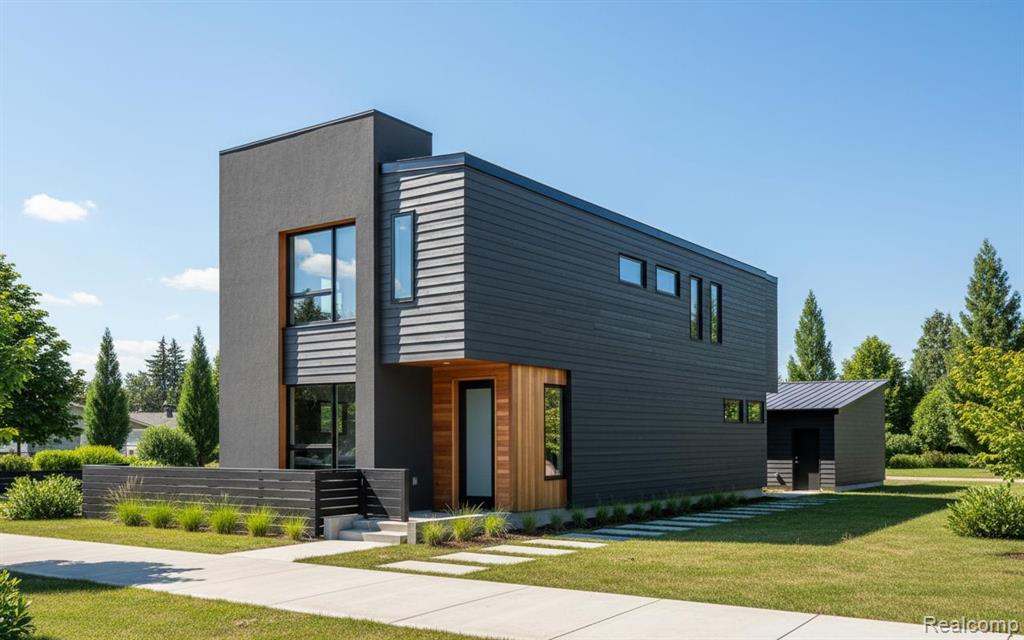 New Listing
$699,000
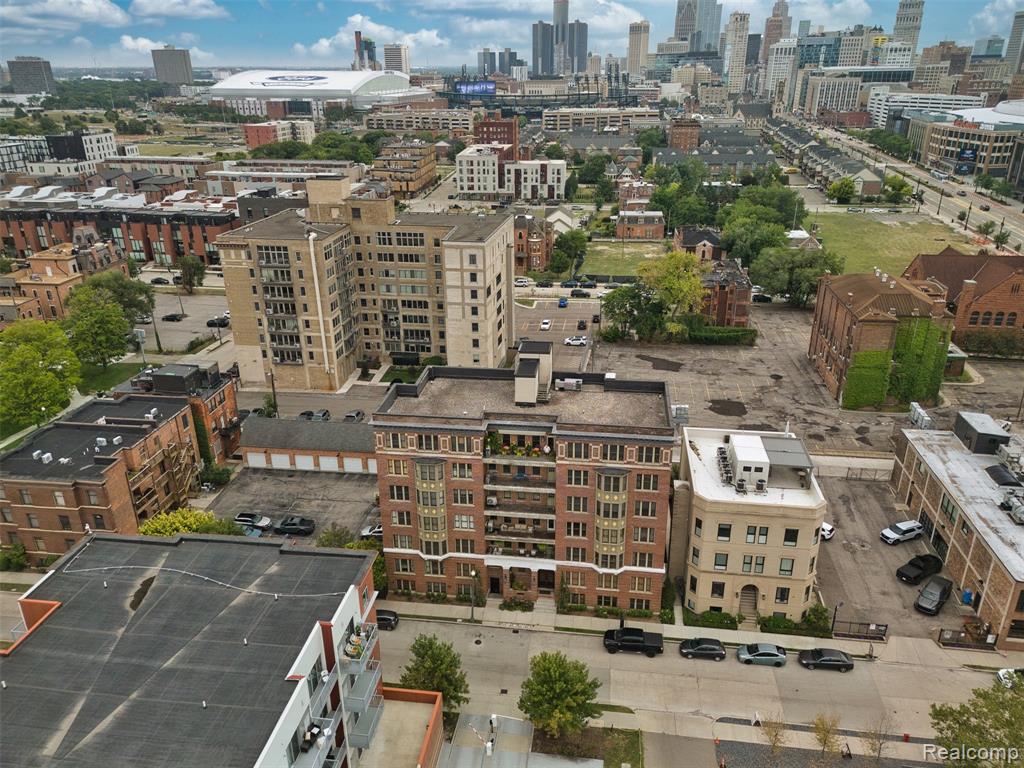 New Listing
$499,995
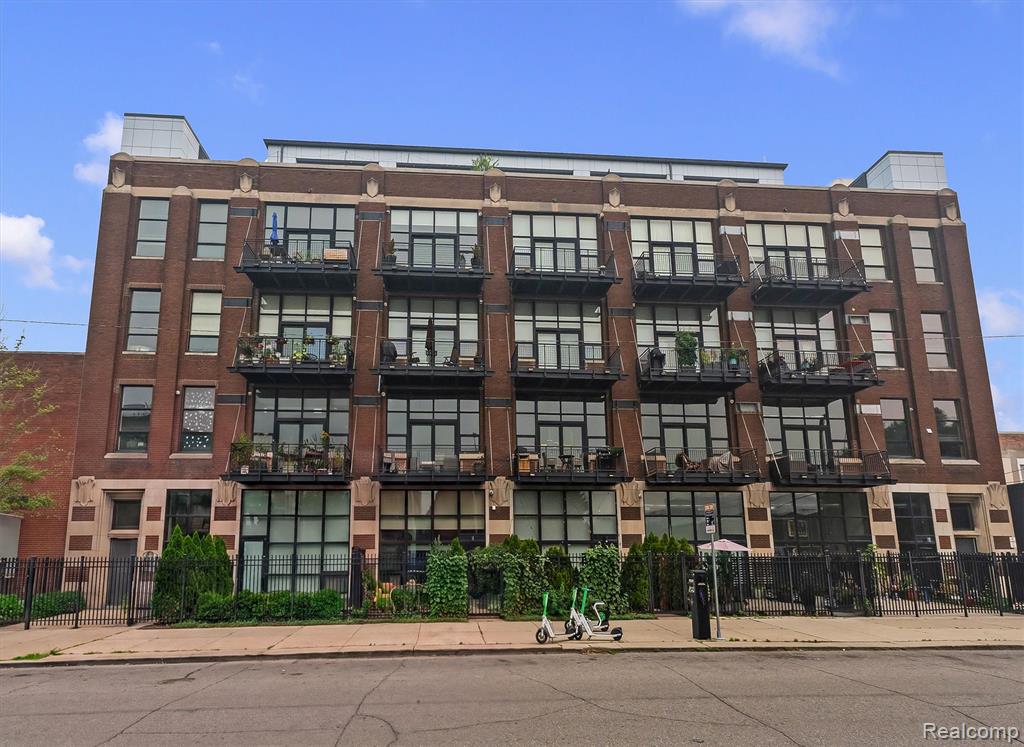 Open House
$345,000
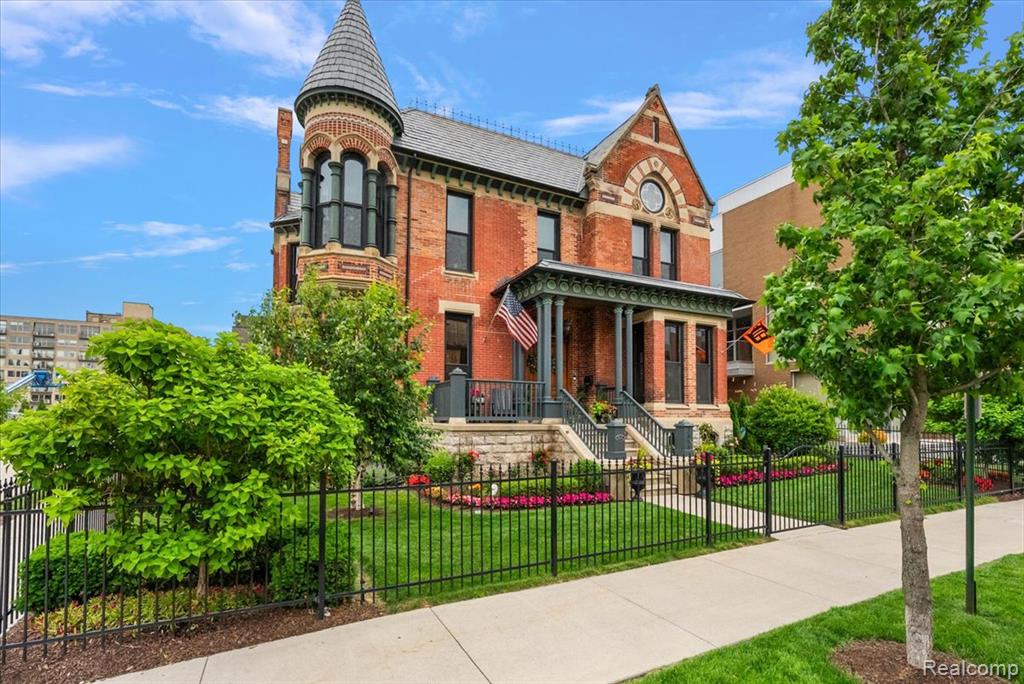 New Listing
$1,850,000

Browse Active Detroit Listings
New Listing
$699,000
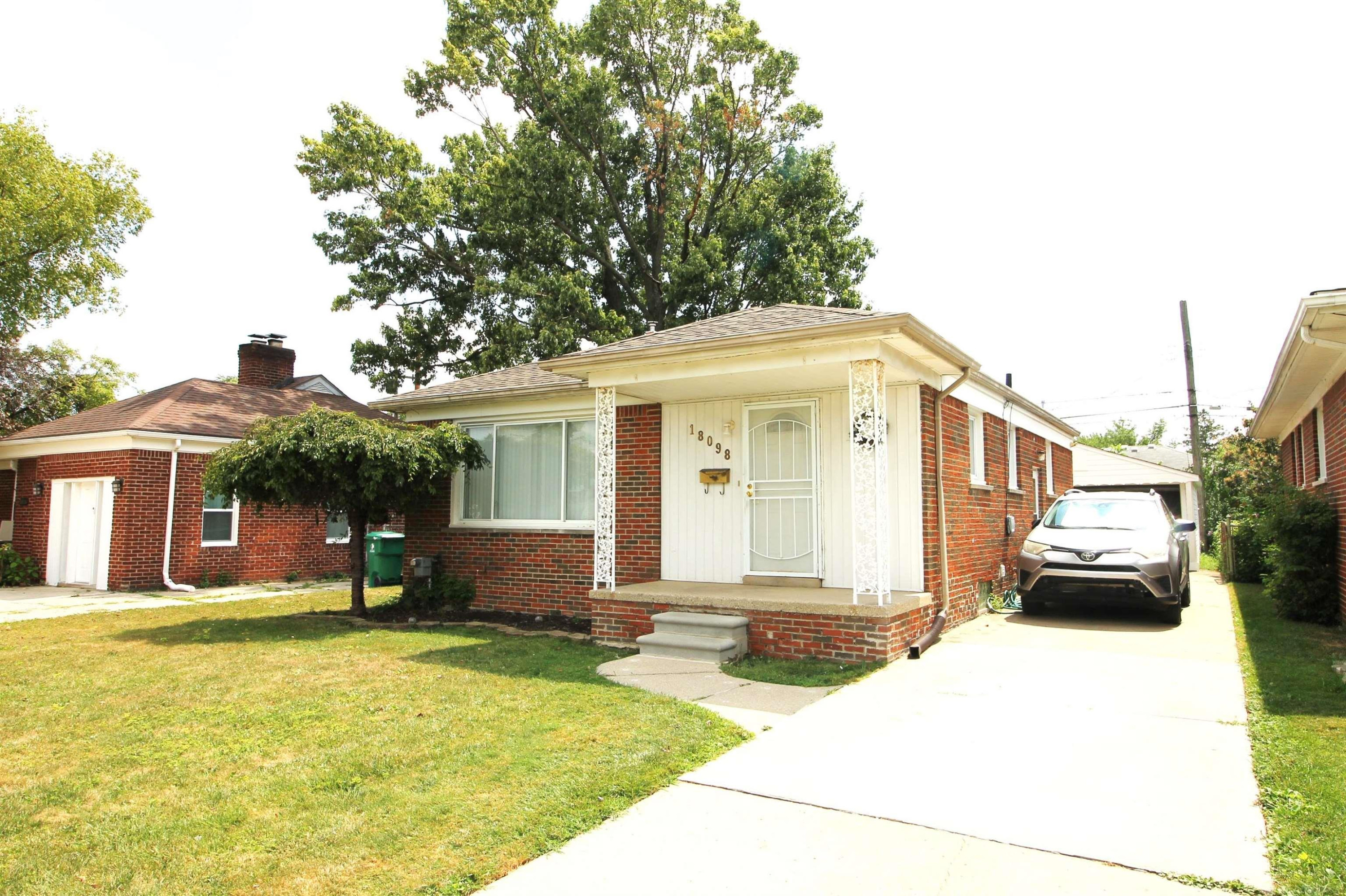 New Listing
$499,995
Open House
$345,000
New Listing
$1,850,000
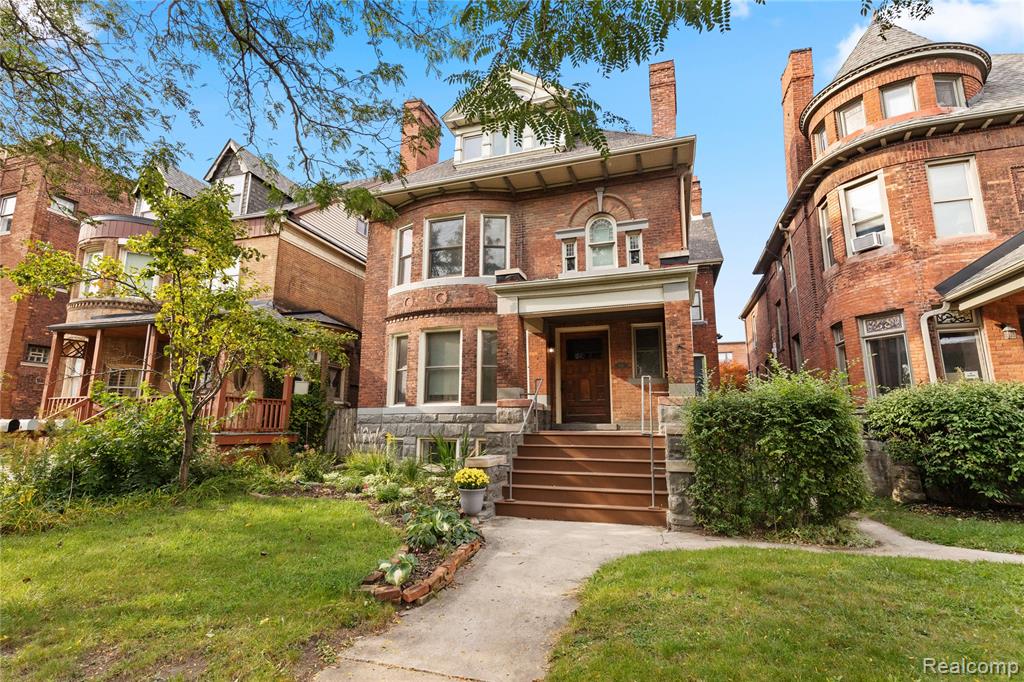 Open House
$385,000

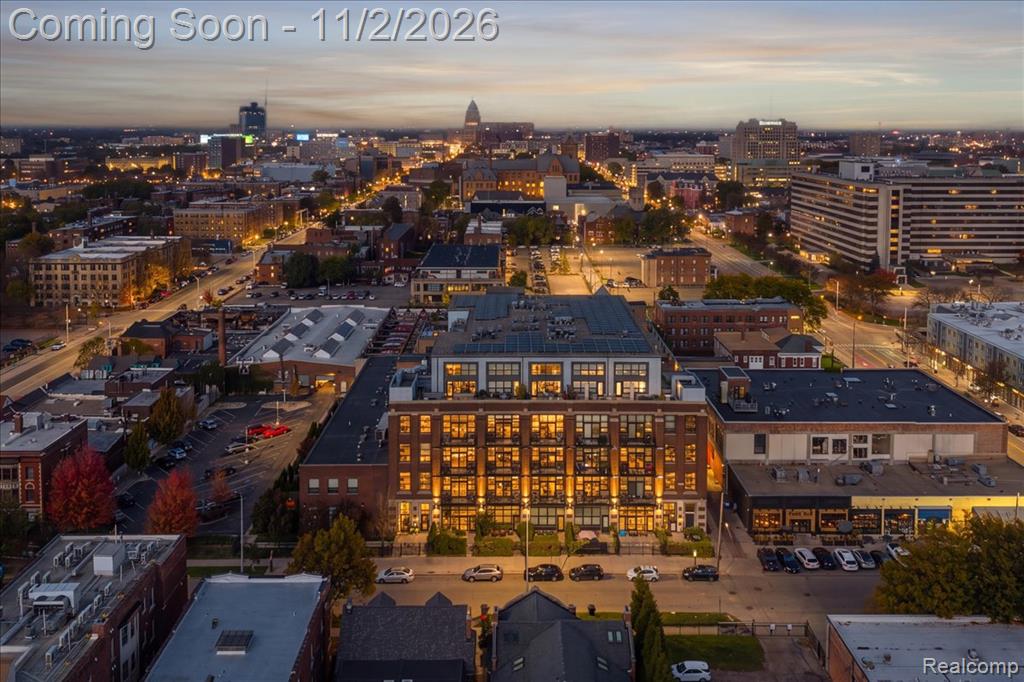
Filtered ZIPs: 48201,48202,48203,48204,48205,48206,48207,48208,48209,48210,48211,48212,48213,48214,48215,48216,48217,48218,48219,48221,48223,48224,48225,48226,48227,48228,48229,48234,48235,48238,48239,48240 · · · · · · 49525
About Detroit, Michigan
Detroit is Michigan’s largest city with a population of approximately 639,000, anchoring the 14th-largest metropolitan area in the United States at roughly 4.4 million residents across southeastern Michigan. Situated along the Detroit River across from Windsor, Ontario, the city serves as the county seat of Wayne County and the historical and cultural center of the American automotive industry. The local real estate market is among the most diverse in the country — spanning historic downtown lofts and Midtown apartments, traditional single-family neighborhoods, revitalized historic districts, and stable established residential areas across 32 ZIP codes.
Detroit was founded in 1701 by French explorer Antoine de la Mothe Cadillac as Fort Pontchartrain du Détroit, making it one of the oldest cities in the Midwest. The city became the global center of automotive manufacturing in the early 20th century under Henry Ford, the Dodge brothers, and General Motors, earning the nickname “Motor City.” The city’s population peaked at 1.85 million in 1950, and the city has been undergoing substantial revitalization since the 2013 municipal bankruptcy reorganization. The downtown core, Midtown, Corktown, and several neighborhood districts have seen significant private and philanthropic investment over the past decade — restoring historic buildings, adding new residential and commercial development, and attracting employers and residents back to the urban core.
The local economy remains anchored by the automotive industry — General Motors, Ford, and Stellantis (formerly Chrysler) all maintain headquarters or major operations in the metro area, supported by thousands of supplier companies and engineering firms. Beyond automotive, the city has substantial healthcare presence through Detroit Medical Center, Henry Ford Health, and Wayne State University Medical School; financial services through Rocket Companies (Quicken Loans), Comerica, and others headquartered downtown; technology and creative industries including Google’s Detroit office and a growing startup ecosystem; and tourism driven by three casinos, four major professional sports teams (Lions, Tigers, Pistons, Red Wings — all downtown), and cultural institutions including the Detroit Institute of Arts and Henry Ford Museum.
Neighborhood Guide · Detroit, MI
Detroit Neighborhoods
The city’s neighborhoods span urban downtown lofts to historic mansion districts to stable east-side residential areas, with broad price diversity and distinct character across the city’s 139 square miles.
Downtown Detroit
Central business district with restored historic high-rises (Penobscot Building, Guardian Building, Fisher Building reach), new condominium developments, and converted commercial-to-residential lofts. Inventory mixes pre-war historic units, mid-rise condos along the Detroit RiverWalk, and high-rise apartments and condominiums.
Walkability: Highly walkable within the downtown core — Campus Martius Park, Hart Plaza, the QLINE light rail along Woodward Avenue, four major sports venues (Comerica Park, Ford Field, Little Caesars Arena, plus the MGM Grand and MotorCity casinos), and dozens of restaurants within a 10-minute walk.
Buyer fit: Common among buyers prioritizing urban walkability, downtown sports + cultural access, and historic architectural character. Inventory turnover varies by building type — lofts and condos move steadily while larger high-rise units are slower to trade.
Midtown & New Center
Cultural Center district anchored by Wayne State University, the Detroit Medical Center hospital complex, and major cultural institutions (Detroit Institute of Arts, Charles H. Wright Museum, Michigan Science Center). Inventory mixes restored Victorian-era mansions, mid-century apartment buildings, modern condos, and recently-completed mixed-use developments along Woodward Avenue.
Walkability: Strongly walkable. Wayne State campus, DMC hospital complex, the QLINE light rail, multiple museum venues, and the Whole Foods + restaurant corridor along Cass Avenue and Canfield Street are all reachable on foot. The DDOT and SMART bus networks connect to greater Detroit.
Buyer fit: Common among medical and university professionals working at DMC or Wayne State, buyers prioritizing cultural access, and residents who value urban walkability combined with neighborhood-scale density (versus high-rise downtown).
Corktown
The city’s oldest surviving neighborhood (founded by Irish immigrants in the 1840s) along Michigan Avenue west of downtown. Now anchored by Ford’s $740-million redevelopment of the historic Michigan Central Station, due to host Ford’s mobility and innovation campus. Inventory mixes restored Victorian and Federal-style row houses, converted lofts, and new construction infill developments.
Walkability: Walkable Michigan Avenue corridor with restaurants, breweries (Batch Brewing, Brew Detroit), and access to Roosevelt Park around Michigan Central. Quick drive or rideshare to downtown and Midtown amenities; bike-friendly streets connect to the Detroit RiverWalk.
Buyer fit: Often selected by buyers prioritizing the Michigan Central / Ford redevelopment narrative, historic architecture, and a more neighborhood-scale alternative to downtown high-rise living. Property values have appreciated considerably since the Michigan Central announcement in 2018.
Indian Village & West Village
Historic mansion districts on the city’s east side, originally built between 1895-1915 for the city’s industrial-era elite. Indian Village is a designated historic district with strict preservation standards; West Village adjacent is slightly more affordable and walkable. Inventory consists of large early-20th-century single-family homes on tree-lined streets — many architecturally significant by named architects.
Walkability: Tree-lined residential streets within walking distance of West Village commercial corridor (restaurants, coffee shops, neighborhood retail along Kercheval Avenue). Drive-oriented for downtown, Midtown, and major employment centers.
Buyer fit: Common among buyers prioritizing historic architectural quality, large-lot single-family living, and an established neighborhood character. Inventory turnover is slow given preservation district status and long-tenured ownership — well-maintained homes command premium pricing when they list.
Boston-Edison & Palmer Park
Two historic districts in north-central Detroit characterized by large early-20th-century homes on broad boulevards. Boston-Edison was historically home to Henry Ford, Joe Louis, and Berry Gordy (Motown founder); Palmer Park / Sherwood Forest features Tudor and Colonial Revival architecture around the 296-acre Palmer Park. Both are designated historic preservation districts.
Walkability: Residential boulevards with sidewalks throughout. Palmer Park provides walkable green space, paths, and the Palmer Park Splash Pad / tennis courts. Drive-oriented for daily shopping and commute; access to the Lodge Freeway (M-10) for downtown and northern suburbs commute.
Buyer fit: Often selected by buyers prioritizing historic architectural character at price points below Indian Village, large lots and family-scale homes, and the cultural significance of the district’s heritage. Property values stable with strong long-term continuity.
East English Village & Morningside
Stable east-side residential neighborhoods of brick bungalows and Tudor-revival homes built primarily between 1920-1950. Both districts have active community associations, maintained housing stock, and ongoing block-level investment. Inventory consists of single-family homes on standard residential lots, with some larger Tudor homes available at the upper price range.
Walkability: Sidewalks throughout. Walkable to neighborhood retail along Mack Avenue and Kercheval; primarily drive-oriented for major shopping and downtown commute. Access to I-94 (Ford Freeway) for east-west commuting.
Buyer fit: Common among buyers prioritizing affordable single-family homeownership in stable Detroit neighborhoods with active community institutions, traditional brick housing stock, and proximity to Grosse Pointe and the east-side suburban corridor.
Property Types in Detroit
Single-Family Homes
The largest single-family inventory in Michigan, ranging from $50K-$100K starter homes in stable east-side neighborhoods like East English Village and Morningside, up to $400K-$850K historic mansions in Indian Village, Boston-Edison, and Palmer Park. 32 ZIP codes deliver the widest price spread in the state.
Condos & Townhouses
Downtown high-rises, Midtown loft conversions, and Lafayette Park mid-century-modern townhomes. Pricing $180K–$500K for typical units; $600K–$1.2M+ for premium downtown high-rise + RiverWalk-adjacent inventory. Low-maintenance lifestyle with QLINE light rail access.
New Construction
Limited new-build inventory; concentration in Corktown around the Michigan Central / Ford redevelopment, scattered infill in Brush Park and Midtown, and new condo developments along Woodward Avenue. Premium pricing reflects scarcity and prime locations.
Investment Properties
The local rental market is anchored by medical-center professionals (DMC, Henry Ford Health), Wayne State students, downtown finance and tech employees, and a growing creative-class population. Entry-level cash-flow opportunities $40K–$80K in stable neighborhoods; turnkey rentals $120K–$250K.
Waterfront Homes
Detroit RiverWalk-adjacent high-rise condos plus single-family homes along the Detroit River, Belle Isle vicinity, and access to Lake St. Clair via the eastern suburbs. Premium pricing for direct waterfront; condo views available at lower entry points.
Luxury Homes
The luxury concentration is in the historic mansion districts — Indian Village, Boston-Edison, Palmer Park / Sherwood Forest. Large early-20th-century estates on tree-lined boulevards, many with significant architectural pedigree. Premium downtown high-rise penthouses also reach this tier.
Detroit Schools & Education
The school landscape spans the traditional public district, the largest charter school sector in Michigan, and a robust private and parochial school presence — giving families multiple educational pathways across the city.
Detroit Public Schools Community District (DPSCD)
The primary public school district serving the City of Detroit. DPSCD operates approximately 100 schools across the city, including comprehensive high schools (Cass Technical, Renaissance, Martin Luther King Jr., Detroit School of Arts, and others) and themed specialty programs. The district participates in Michigan’s school-of-choice enrollment program for residents in some adjacent districts.
Charter and Innovation Schools
Detroit has the highest concentration of charter schools per capita in the United States. Operators include the Detroit Public Schools Foundation Charter network, University Preparatory Schools, Cornerstone Schools, and dozens of independent charter operators. Charter enrollment is open to any Michigan resident regardless of address. Families weighing options often compare charter performance, transportation availability, and specialty programming.
Private and Parochial Schools
The private school sector includes the historic University of Detroit Jesuit High School (Catholic, all-male), Cranbrook Schools (highly-selective independent, in suburban Bloomfield Hills), Detroit Country Day (independent, in nearby Beverly Hills), Marygrove Conservancy programming, and parochial elementaries operated by the Archdiocese of Detroit. Tuition varies significantly by school and grade level; some private schools offer need-based financial aid.
School district boundaries and assignments shift periodically. Confirm exact school assignment for any specific property with Edward — he verifies district and enrollment options as part of the buyer consultation.
Cost of Living & Property Taxes in Detroit
One of the biggest advantages of Detroit Michigan real estate is affordability relative to comparable metro areas. Here’s what it costs to live in Detroit.
$128,530
Avg. Home Price
$39,575
Median Household Income
~68 mills
Property Tax Rate
Property Taxes
Detroit property taxes are calculated on a home’s taxable value — roughly 50% of market value in Michigan — multiplied by the local total millage rate (city or township + county + school + intermediate school district). Your exact tax depends on the specific property and jurisdiction within the Detroit area; Edward provides a precise estimate for any home you’re considering.
If the home is your primary residence, file the Michigan Principal Residence Exemption (PRE) — it removes 18 mills (the local school operating millage) from your tax bill. On an average-priced Detroit home, the PRE saves roughly $580 per year, typically 30–40% of total property taxes. The PRE is filed once at closing and stays in effect as long as you live in the home.
Cost Comparison
Michigan offers among the lowest costs of living in the Great Lakes region. Housing, property taxes, and — since the 2020 no-fault auto insurance reform — vehicle insurance all run below national averages, and Michigan has no local income tax in most jurisdictions. For buyers relocating from higher-cost metros, that combination means a given budget reaches noticeably further in Detroit than in comparable out-of-state markets.
Within Detroit, the real cost variable is neighborhood and property type rather than the city overall. Edward walks buyers through total monthly cost — mortgage, taxes, insurance, and utilities — for any specific Detroit home so the comparison is grounded in real numbers, not averages.
Detroit Market Trends
Understanding market trends helps buyers and sellers make better decisions in the Detroit Michigan real estate market. Here’s what the data shows.
Key Trends for 2026
Prices rising steadily
Detroit home values continue to appreciate, outpacing the national average.
Low inventory
Current supply is well below a balanced market (typically 4–6 months), meaning demand significantly exceeds available homes.
Fast-moving market
Well-priced homes in desirable neighborhoods sell in under 2 weeks. Buyers need pre-approval ready.
Spring/summer peak
Historically, Detroit sees the strongest buyer activity from April through August.
New construction increasing
Developers are adding inventory in suburban areas, but supply still lags demand.
Mortgage Options for Detroit Homebuyers
This is where Edward Kalavitz gives you an advantage no other Detroit Realtor can match. As a dual-licensed Realtor AND Mortgage Loan Originator, Edward handles both your home search and your financing — saving you time, money, and the hassle of coordinating between multiple professionals.
FHA Loans
№ 013.5% down with credit scores as low as 580. The most popular choice for Detroit first-time buyers. Lower down payment and more flexible qualification.
Conventional Loans
№ 023-20% down with credit scores of 620+. Competitive rates and no upfront mortgage insurance with 20% down. Best for buyers with strong credit.
VA Loans
№ 030% down for veterans and active military. No monthly PMI. The best loan program available — if you qualify, Edward will make sure you use it.
USDA Loans
№ 040% down — Detroit city limits are NOT USDA-eligible. However, nearby communities in Wayne County (Carleton (Monroe County), Newport (Monroe County), South Rockwood, and rural Frenchtown Township) ARE eligible for zero-down USDA loans. Income limits apply (typically 115% of area median income).
MSHDA Down Payment Assistance
№ 05Up to $10,000 in down payment help from the Michigan State Housing Development Authority. Income limits apply — Edward checks eligibility at your consultation.
Payment Calculator
№ 06See exactly what a Detroit home costs per month. Try our free mortgage calculator or affordability calculator.
Buying a Home in Detroit — Step by Step
Whether you’re a first-time buyer or experienced homeowner, here’s how to buy in the Detroit Michigan real estate market with Edward Kalavitz handling both your Realtor and mortgage needs.
Get Pre-Approved (Free)
Call Edward at (616) 633-3692 or apply online. He’ll compare FHA, VA, USDA, and conventional options simultaneously and issue your pre-approval letter — typically within 24 hours. This tells sellers you’re a serious, qualified buyer.
Search Homes in Detroit
With pre-approval in hand, Edward helps you search Detroit neighborhoods that match your budget and lifestyle. As your Realtor, he can schedule showings, provide neighborhood insights, and run live payment scenarios as you tour homes.
Make an Offer & Negotiate
When you find the right home, Edward writes your offer with competitive terms informed by current Detroit market data. In a fast-moving Detroit market, having a Realtor who understands both the real estate and financing side gives you a strategic advantage.
Inspection, Appraisal & Closing
Edward manages the entire pipeline — home inspection coordination, appraisal ordering, title work, underwriting, and closing preparation. One point of contact through the entire process.
Welcome Home to Detroit!
On closing day, you sign final documents and receive your keys. Edward ensures every number is accurate and every fee is verified. You’re now a Detroit homeowner.
Edward’s Selling Advantage
Selling Your Home in Detroit
Selling a home in Detroit in 2026 rewards preparation. Accurate pricing from day one, professional presentation, and strategic timing are what separate listings that attract strong offers from those that linger on the market. Edward’s dual-license perspective — licensed Realtor and Mortgage Loan Originator — means he prices with both sides of the transaction in view, and can pre-qualify incoming buyers to keep your closing on track.
As your listing agent, Edward Kalavitz handles every step of the local selling process — comparative market analysis using current Detroit comps in your specific neighborhood, professional pricing strategy informed by 25+ years of Michigan real estate experience, MLS listing on the Edward’s statewide MLS network (Water Wonderland Association, Realcomp II Limited, Northern Great Lakes MLS, MiRealSource, MichRIC, and Greater Lansing Association of REALTORS), professional photography and digital marketing, open house scheduling, offer negotiation, and full coordination through inspection, appraisal, and closing.
Most Detroit sellers find that listing in April through August captures the strongest buyer activity — but well-priced homes sell year-round in this market.
Edward’s dual license as both a Michigan Realtor (#6501386956) and Mortgage Loan Originator (NMLS #138424) gives sellers a meaningful advantage that single-licensed agents simply can’t match.
When offers come in, Edward immediately vets each buyer’s financing strength with a lender’s eye — flagging weak pre-approvals before you accept an offer that might fall through, identifying buyers whose lock periods are about to expire, and reducing the risk of a deal collapsing in underwriting two weeks before close. In a fast market like Detroit, fewer fall-throughs means faster, more certain closings.
Before you list, run the numbers. Edward’s Seller Net Sheet Calculator shows your estimated proceeds after agent commissions, title fees, transfer taxes, and remaining mortgage payoff — so you know exactly what you’ll walk away with before you sign a listing agreement. For a free home valuation and listing strategy consultation, call Edward at (616) 633-3692.
Edward’s Local Take on Detroit

Detroit offers more buyer options at more price points than nearly any other Michigan city — a 32-ZIP-code mix of downtown lofts, historic mansion districts, stable east-side residential, and revitalizing neighborhoods anchored by major Ford and Stellantis investment. Twenty-five years working across this market, here’s how I help buyers think about Detroit by priority.
Edward Kalavitz
Watch: Meet Edward
Get to know Edward Kalavitz — learn how he helps Detroit Michigan families buy, sell, and finance homes with dual-licensed real estate and mortgage expertise.
Nearby Cities
Exploring the Detroit Michigan real estate market but open to nearby communities? These cities are all within a short drive and offer different price points and neighborhood character — explore each one’s listings below.
What Clients Say About Working with Edward
Edward is a dual-licensed Realtor & Mortgage Loan Originator. Reviews include clients from both his real estate and mortgage practices.
“Very Professional and Thorough”
“Edward is very professional and thorough. Had a great experience working with him. Everything went very smooth.”
“Great to Have 2 in 1”
“Ed was very responsive, knowledgeable, and made our first home buying experience great! He’s a relator and lender, which was great to have “2 in1”. We were able to look at houses and run number the same day. He was very flexible with times we needed to set up showings, as well as very informative and organized with paperwork! I appreciate his expertise greatly!”
“Works Hard 24/7”
“Ed is wonderful to work with! He is very thorough, experienced, and friendly. Ed works hard 24/7 to give you the best mortgage experience and is always able to help with whatever you need!”
“Above and Beyond”
“Edward is a great relator and loan officer. He helped my fiance and I buy our first home. We called him back when we were ready to sell and buy our forever home. He again went above and beyond to make the process swift and easy. I recommend him to my friends and family who are looking into buying, selling or refinacing their home!”
“Closing Came Sooner Than Anticipated”
“Edward was up front, professional and most helpful in first determining if I was a good candidate for a mortgage re-Fi. My case was Probably not the easiest , however, he made my “homework” manageable. The closing came sooner than anticipated , thanks to his perseverance, knowledge and professionalism .”
“Not Only My Realtor — My Friend”
“Edward was an excellent help in the most stressful time of my life. My son passed away in 2018 and I had to sell his home. Edward alleviated some stress by being patient, organized and communicated thoroughly the entire process. He not only was my realtor/loan officer but he was my friend! Highly recommend him for any home needs!”
Recently Sold Homes in Detroit
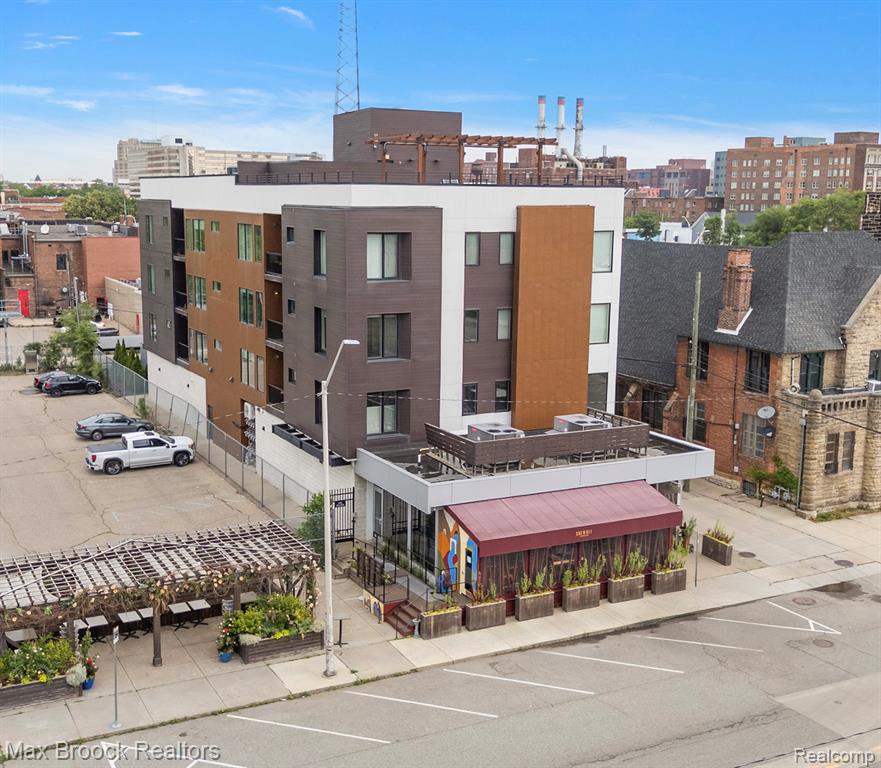


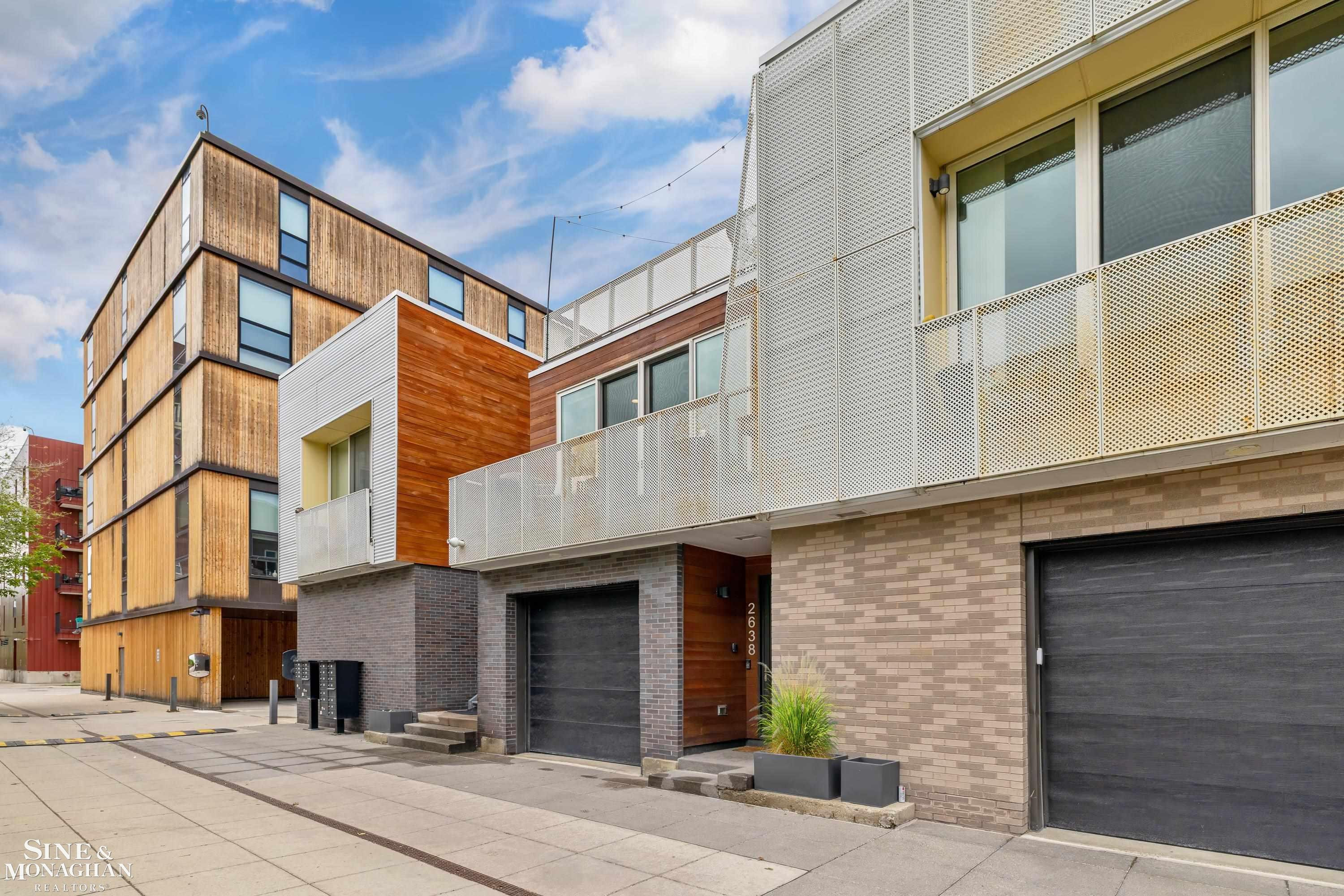
Detroit Commute & Transportation
The transportation network combines a dense highway system, a developing public transit network, and walkability within downtown and Midtown — though most metro Detroit commuting remains automobile-oriented across long distances.
I-75 / Chrysler Freeway
Primary north-south freeway through Detroit, connecting downtown to the northern suburbs (Royal Oak, Birmingham, Troy, Auburn Hills, Pontiac), continuing north toward Flint and Bay City. Rush-hour congestion is heaviest between downtown and Troy/Auburn Hills. Direct access from downtown via the Davison Freeway and the Lodge Freeway interchange.
I-94 / Ford Freeway + I-96
I-94 is the primary east-west route through Detroit, connecting downtown to the eastern suburbs (Grosse Pointe, Harper Woods, St. Clair Shores) and continuing east toward Port Huron, plus westbound to Ann Arbor, Kalamazoo, and Chicago. I-96 connects Detroit westbound to Lansing and Grand Rapids. Combined, these handle most cross-metro commuting.
Lodge Freeway (M-10) + Southfield Freeway (M-39)
M-10 (Lodge Freeway) is the primary commuter route from downtown to the northwestern suburbs (Southfield, Farmington Hills, Northville), passing through the New Center district. M-39 (Southfield Freeway) is a secondary north-south route through the western suburbs. Both carry significant rush-hour traffic and provide direct connections to I-696 (the northern beltway) for trans-metro travel.
Public Transit + DTW Airport
Within Detroit: QLINE light rail along Woodward Avenue (3.3 miles, connects downtown to New Center), the Detroit People Mover (downtown elevated loop), DDOT city buses, and SMART regional buses to the suburbs. Detroit Metro Airport (DTW) is approximately 25 minutes from downtown via I-94 — one of the largest airports in the Midwest with major hub service via Delta Air Lines, offering direct flights to most major U.S. cities and significant international service.
Where Detroit Sits on the Map
Approximate drive times to other markets buyers commonly compare to Detroit. Times reflect typical non-rush conditions; commute hours add 15–30%.
Detroit Lifestyle, Entertainment & Recreation
The lifestyle anchors include four major professional sports teams (all downtown), one of the largest U.S. cultural institution clusters per capita, a nationally-recognized dining and music scene, and substantial outdoor recreation along the Detroit River and Belle Isle.
Professional Sports & Live Entertainment
Detroit hosts four major professional sports teams downtown: the Detroit Lions (NFL, Ford Field), Tigers (MLB, Comerica Park), Pistons (NBA, Little Caesars Arena), and Red Wings (NHL, Little Caesars Arena). Concert and live music venues include the Fox Theatre, Fillmore Detroit, Masonic Temple Theatre, MotorCity Casino, MGM Grand Casino, and dozens of smaller venues across Midtown and Greektown.
Cultural Institutions
Anchored by the Detroit Institute of Arts (DIA, one of the top six U.S. art museums by collection size), the Charles H. Wright Museum of African American History (the world’s largest dedicated African American history museum), the Detroit Historical Museum, the Michigan Science Center, the Motown Museum (Hitsville USA, original Motown Records studio), the Henry Ford Museum complex in Dearborn, and the Detroit Symphony Orchestra at Orchestra Hall.
Detroit Riverfront & Belle Isle
The Detroit RiverWalk is a 3.5-mile public riverfront promenade with parks, plazas, and bike paths connecting downtown to Belle Isle. Belle Isle is a 982-acre island park (largest island park in the U.S.) with the Belle Isle Aquarium, conservatory, beach, golf course, walking paths, and views of the Detroit skyline and Windsor across the river. The Dequindre Cut greenway extends north from the riverfront into Eastern Market.
Dining, Markets & Festivals
The dining scene spans Eastern Market (one of the oldest and largest public markets in the U.S., open Saturdays year-round), Mexican Town (concentrated authentic Mexican restaurants along Bagley Street), Greektown (downtown Greek-American dining cluster), Corktown’s Michigan Avenue corridor, and a growing chef-driven independent restaurant scene across Midtown, Capitol Park, and the West Village. Annual festivals include the North American International Auto Show, Movement Electronic Music Festival, the Detroit Jazz Festival, and Tigers Opening Day.
Detroit Healthcare & Medical Facilities
Detroit anchors one of the most extensive metropolitan healthcare networks in the Midwest, with full-service hospitals, specialty centers, and academic medical research concentrated within the city itself plus adjacent suburbs.
Detroit Medical Center (DMC)
Multi-hospital network in Midtown Detroit operating Detroit Receiving Hospital (Level 1 Trauma), Harper University Hospital, Hutzel Women’s Hospital, the DMC Heart Hospital, and the Children’s Hospital of Michigan. DMC is the primary clinical teaching campus for Wayne State University School of Medicine, providing full-spectrum tertiary care across cardiovascular, oncology, neurology, transplant, and emergency medicine.
Henry Ford Health
Headquartered in the New Center district. Operates Henry Ford Hospital (downtown campus, with Level 1 Trauma), Henry Ford West Bloomfield, Henry Ford Wyandotte, Henry Ford Kingswood, and a regional network of specialty clinics. Strong in cardiovascular medicine, neurology, transplant, and behavioral health. Major employer and academic research center.
Karmanos Cancer Institute
NCI-designated comprehensive cancer center adjacent to DMC in Midtown. One of only two NCI-designated comprehensive cancer centers in Michigan. Provides full-spectrum cancer care including surgical, medical, and radiation oncology, plus clinical trial access and survivorship programs. Affiliated with Wayne State University.
Children’s Hospital of Michigan
Operated by DMC, located in Midtown. Michigan’s only stand-alone, pediatric-dedicated specialty hospital with Level 1 Pediatric Trauma designation. Provides specialty pediatric care including pediatric oncology, cardiology, neurosurgery, neonatal intensive care, and rare-disease subspecialty programs.
New Listings This Week in Detroit
New Listing
$699,000
New Listing
$499,995
Open House
$345,000
Detroit Real Estate FAQ
QWhat is the average home price in Detroit?
The average sold price is approximately $128,530 across the city’s 32 ZIP codes (based on current MLS market data). Pricing varies dramatically by neighborhood: Downtown lofts and condos run $200K–$1.2M+, Midtown $180K–$700K, Indian Village historic mansions reach $400K–$1.5M+, while affordable single-family homes in stable east-side neighborhoods (East English Village, Morningside) start under $150K. Detroit offers Michigan’s widest price spread.
QWhat school district is Detroit in?
Detroit is primarily served by Detroit Public Schools Community District (DPSCD), which operates approximately 100 schools including specialty programs at Cass Technical, Renaissance, Detroit School of Arts, and Martin Luther King Jr. High. Detroit has the highest concentration of charter schools per capita in the United States as alternative options, plus private and parochial schools including University of Detroit Jesuit High School.
QIs Detroit eligible for USDA loans?
Detroit city limits are NOT USDA-eligible (urban metro area). However, several rural communities south of Detroit in Monroe County (Carleton, Newport, South Rockwood, parts of Frenchtown Township) ARE eligible for zero-down USDA loans. Eligibility is property-specific — Edward verifies current USDA eligibility for any property you’re considering before submitting an offer.
QHow long do homes typically stay on the market in Detroit?
Well-priced Detroit homes in active neighborhoods can sell in two to four weeks; mispriced inventory sits much longer. The key is accurate pricing from day one — Edward’s 25+ years across Michigan markets prevents the price-cut cycle that costs sellers thousands in final net.
QShould I use a Realtor or sell my home myself (FSBO)?
For most Detroit sellers, working with a licensed Realtor produces a higher final net after accounting for commission. National Association of Realtors data consistently shows FSBO transactions close at lower prices with more contingency complications. Edward’s dual-license advantage means he can pre-approve qualified buyers directly — which speeds closings, reduces fall-through risk, and gives you better negotiating leverage.
QWhat’s the financing process for buying a home in Detroit?
Step 1 — Get pre-approved (Edward can pre-approve you directly as a licensed Mortgage Loan Originator, NMLS #138424). Step 2 — Shop within your approved price range. Step 3 — Submit an offer with pre-approval letter attached. Step 4 — Home inspection plus appraisal. Step 5 — Loan underwriting and conditions. Step 6 — Closing. Edward handles both Realtor and Mortgage sides for Detroit buyers — eliminating the coordination friction that delays most transactions.
QWhy choose Edward Kalavitz for Detroit real estate?
Edward is dual-licensed as both a Michigan Realtor (#6501386956) and Mortgage Loan Originator (NMLS #138424). One expert handles your pre-approval, home search, offer, AND financing — eliminating the back-and-forth that delays most transactions. 25+ years of experience across Michigan’s six MLS networks (Water Wonderland Association, Realcomp II Limited, Northern Great Lakes MLS, MiRealSource, MichRIC, and Greater Lansing Association of REALTORS) gives statewide listing reach unmatched by single-MLS competitors.
Buy or Sell in Detroit with Edward Kalavitz
Dual-licensed Realtor & Mortgage Loan Originator — one trusted professional for your entire transaction.
Available When You Need Answers
Real estate questions don’t wait for business hours — and neither does Edward Kalavitz.

