
Homes for Sale in Ann Arbor, Michigan
Search all available listings, view market trends, and get expert guidance from Edward Kalavitz — your dual-licensed Ann Arbor Realtor and Mortgage Loan Originator with 25+ years of experience.
Realtor License #6501386956 · Turnkey Realty LLC • NMLS #138424 · Private Mortgage Guarantee LLC
In This Guide
- Market Dashboard
- Today’s Rates in Ann Arbor
- Michigan Mortgage Advisor
- Homes for Sale in Ann Arbor
- About Ann Arbor
- Neighborhoods & Subdivisions
- Property Types
- Schools & Education
- Cost of Living & Taxes
- Market Trends
- Mortgage Options in Ann Arbor
- Buying in Ann Arbor
- Selling in Ann Arbor
- Edward’s Local Take
- Watch: Meet Edward
- Nearby Cities
- Google Reviews
- Ann Arbor FAQ
- Available Hours
Ann Arbor Real Estate Market Dashboard
Mortgage Rates in Ann Arbor
Competitive pricing personalized to your scenario. Rates shown reflect 740+ credit, 30-year fixed terms unless noted.
Purchase Loans
Conventional Purchase
15-Year Conventional
FHA 30-Year Purchase
VA 30-Year Purchase
USDA Purchase & Refinance
USDA 30-Year Purchase
FHA Streamline Refi
Conventional Refinance
Jumbo & High-Balance
Jumbo / High-Balance
Not Sure Which Loan You Qualify For?
See the rates. Not sure which loan fits your situation? The Michigan Mortgage Advisor answers that in 60 seconds — analyzing your credit, down payment, and goals to recommend the best loan program and show you your real monthly payment on Ann Arbor Michigan real estate.
- Instant loan-type recommendation — FHA, VA, USDA, or Conventional
- Live rate and APR for your exact scenario
- Michigan-specific closing cost estimate
- No credit check required to start
Best loan for you: FHA
3.5% down
~$1,830/mo principal + interest
Your actual recommendation is calculated live based on your inputs.
Featured Ann Arbor Listings
Premium properties in the Ann Arbor area, $500K and above.
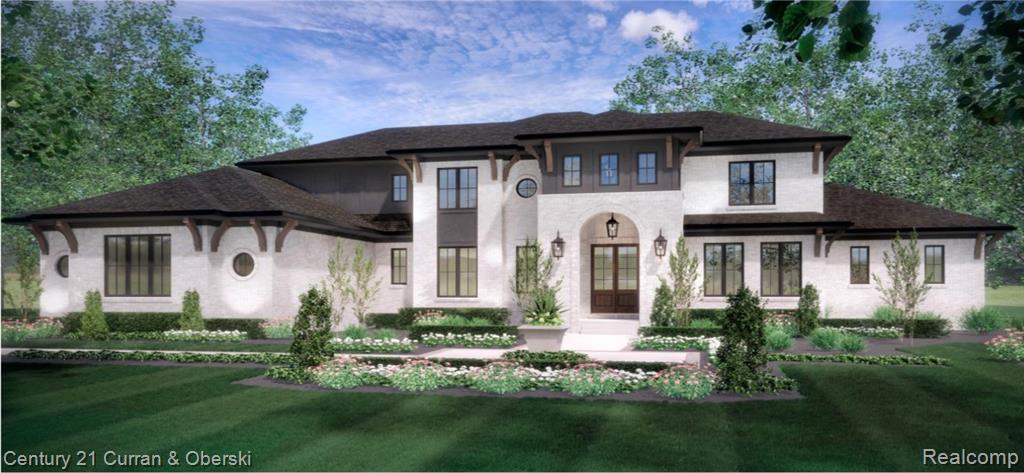


Browse Active Ann Arbor Listings
 New Listing
$439,900
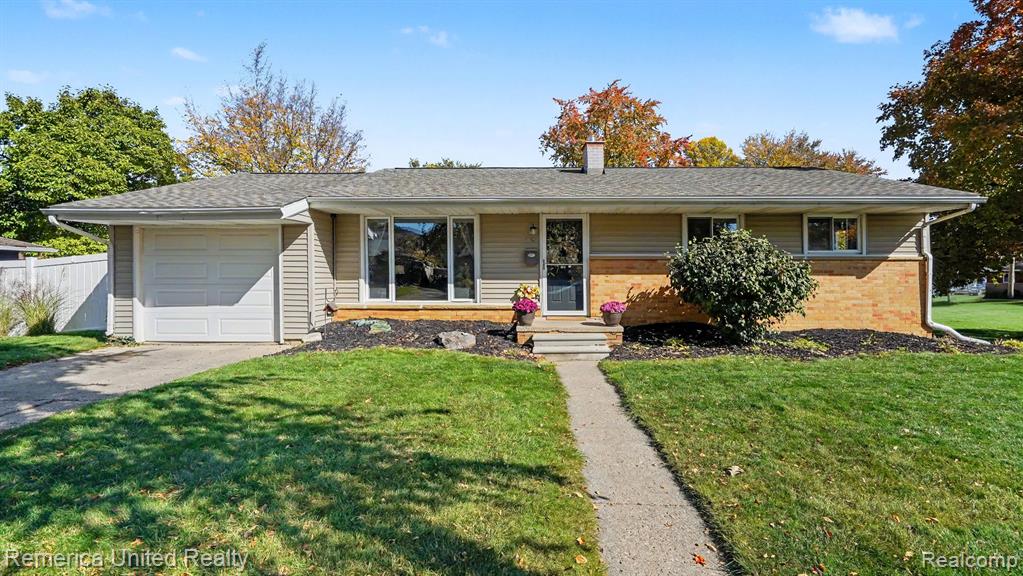 New Listing
$439,900
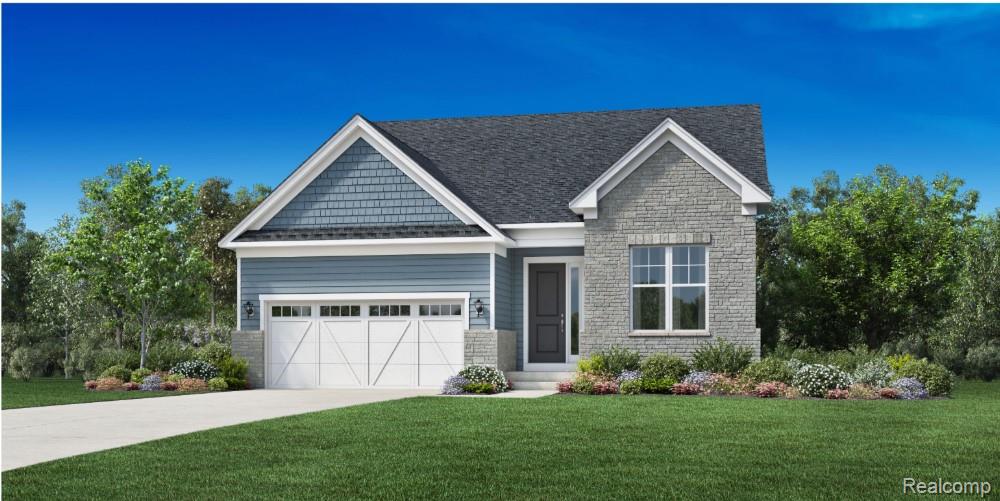
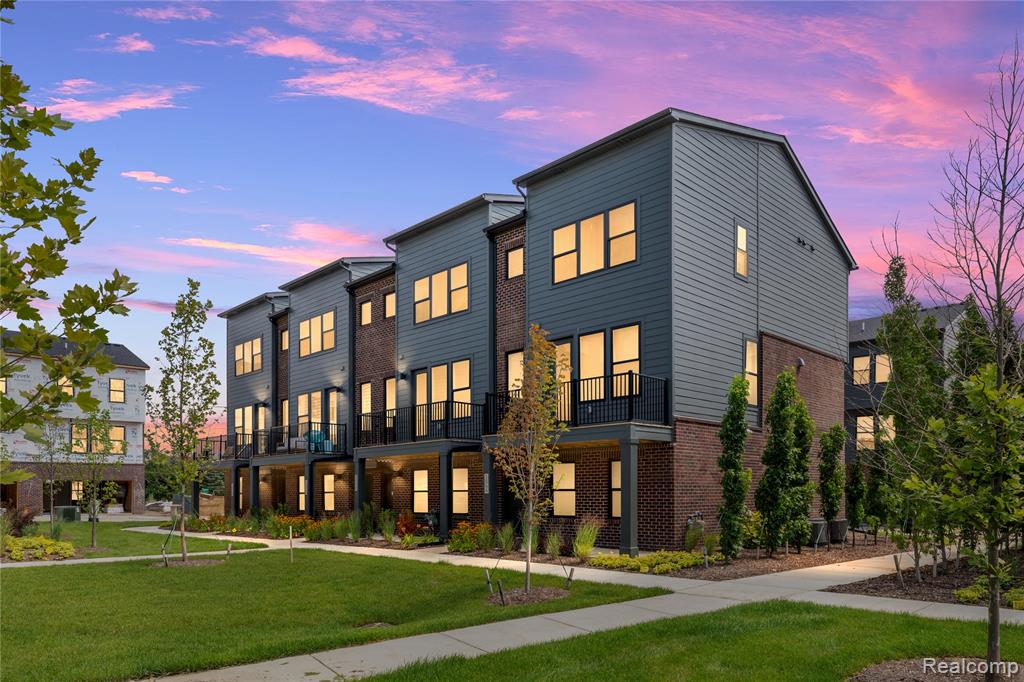
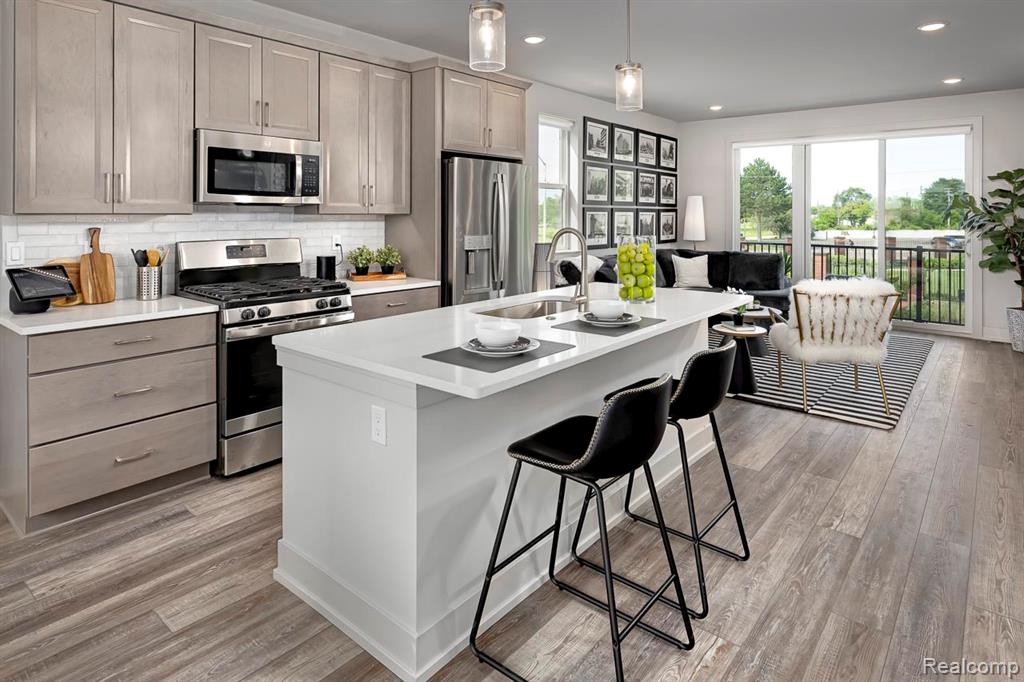

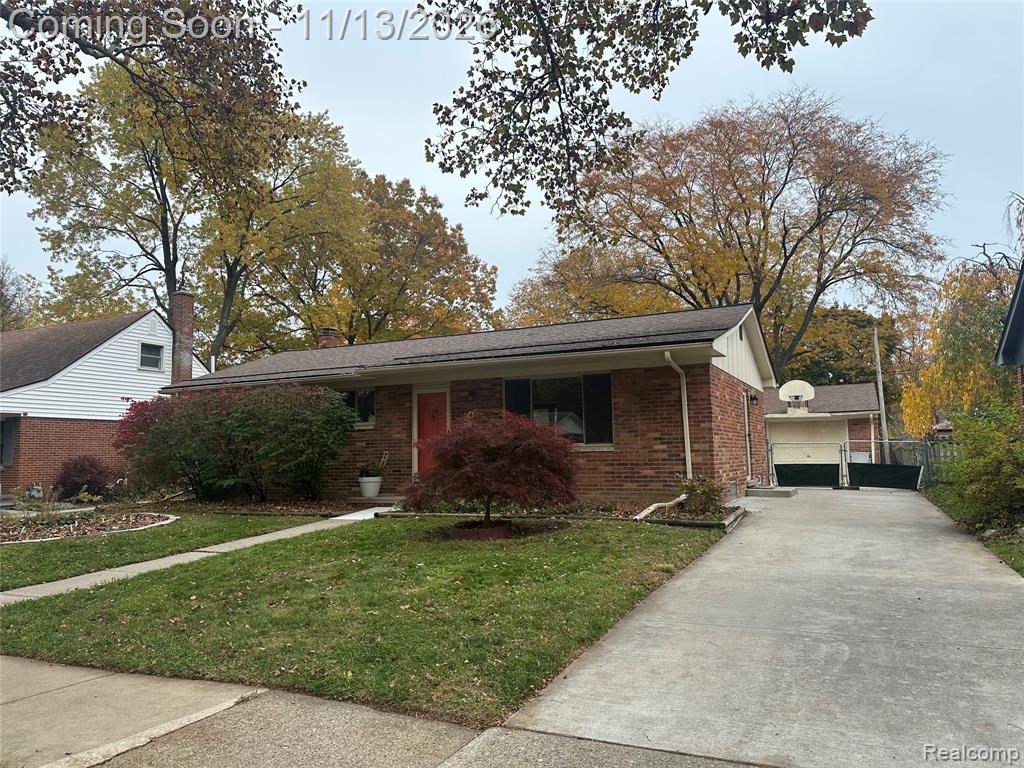
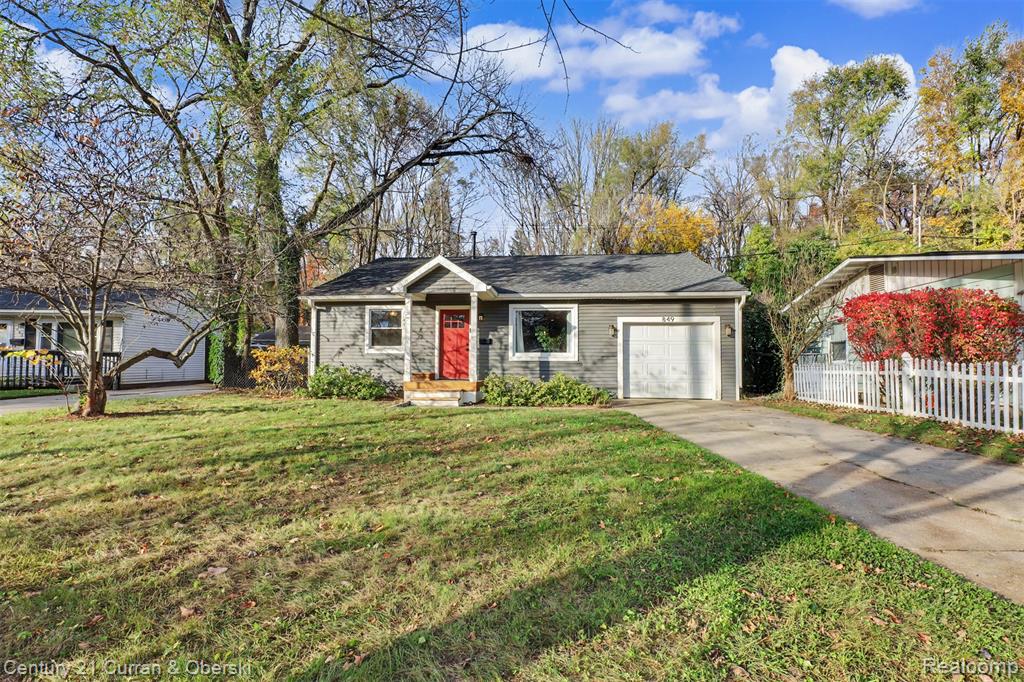
Filtered ZIPs: 48103,48104,48105,48108 · · · · · · 49525
About Ann Arbor, Michigan
The city is Michigan’s fifth most populous city, recording a 2020 census population of 123,851 and serving as the county seat of Washtenaw County. It sits along the Huron River roughly 43 miles west of downtown Detroit and forms the principal city of its own metropolitan area, also folded into the Detroit-Warren-Ann Arbor combined statistical area. The local real estate market spans dense downtown condominiums, university-adjacent historic districts, family-scaled walkable neighborhoods, and outer townships with newer suburban subdivisions and rural acreage parcels.
The city was founded in 1824 by land speculators John Allen and Elisha Walker Rumsey, who registered the town plat with Wayne County on May 25, 1824 as the Village of Annarbour. They named the settlement for their wives — both named Ann — and for the bur oak stands within the 640 acres they purchased from the federal government for $800 at $1.25 per acre. The local Ojibwa called the settlement kaw-goosh-kaw-nick, after the sound of Allen’s sawmill.
The community became the seat of Washtenaw County in 1827 and was incorporated as a village in 1833. A speculator group offered 40 acres to the state as a capitol site, but Lansing won the bid; the land was accepted instead as the site of the University of Michigan in 1837. The arrival of the Michigan Central Railroad in 1839 and a north-south railway connecting to Toledo in 1878 turned the community into a regional transportation hub. The city was chartered in 1851 and saw renewed growth in the 1880s through immigration from Greece, Italy, Russia, and Poland.
The local economy is primarily focused on high technology, with numerous startup companies drawn to the area by the university’s research and development activity. Manufacturing growth through the late 19th and early 20th centuries — milling in particular — anchored the historic industrial base, and the city later gained a reputation as a center for liberal politics and student activism, with the first US teach-in against the Vietnam War held here in 1965.
Today the largest single employer in Washtenaw County is the University of Michigan, which along with its medical complex supports tens of thousands of jobs. Beyond the university, a technology and biotech corridor, federal research presence, and major consumer brands round out a diverse employment base. Median household income, college-degree attainment, and average home price all rank among the highest in Michigan.
Neighborhood Guide · Ann Arbor, MI
Ann Arbor Neighborhoods
Neighborhoods within the city range from dense downtown condos and university-adjacent historic districts to family-scaled bungalow streets and upscale custom-home enclaves. Price diversity is broad and character distinct across the city limits plus the surrounding townships that share school district boundaries and commuter access.
Downtown & Central Campus
The urban core stretches from Main Street to State Street to the University of Michigan Central Campus. Inventory mixes high-rise condominiums, converted-warehouse lofts, and renovated late-19th-century commercial buildings with residential upper floors. New construction has added multiple mid-rise residential developments along Huron, William, and Liberty streets over the past decade, expanding the count of walkable downtown units available to buyers prioritizing university and downtown access.
Walkability: Highly walkable within the downtown core — the University of Michigan Diag, the Michigan Theater, Main Street’s restaurant corridor, the Kerrytown Farmers Market, and AAATA “TheRide” bus connections sit within a 10-minute walk.
Buyer fit: Common among buyers prioritizing urban walkability, university access without on-campus housing, and proximity to downtown’s dining and cultural amenities. Inventory turnover is steady — condos and lofts move at a measured pace, with new construction adding to downtown supply along the Huron, William, and Liberty street corridors.
Burns Park
Established residential neighborhood south of Central Campus, built primarily between 1900 and 1940. The district is anchored by Burns Park Elementary School and the 8-acre Burns Park itself. Inventory consists of two- and three-story single-family homes — many architecturally distinctive — on tree-lined streets with sidewalks throughout. Demand from University of Michigan faculty and Michigan Medicine professionals has kept the neighborhood among the higher-priced family districts in the city.
Walkability: Sidewalks throughout, with Burns Park serving as a neighborhood anchor. Walkable to the University of Michigan campus in 10 to 15 minutes, plus the South University commercial corridor and the Yost Ice Arena and Crisler Center athletic complex.
Buyer fit: Common among University of Michigan faculty, medical-center professionals, and families prioritizing walkable schools combined with established single-family character. Property values reflect preservation and walkability — well-maintained homes here consistently command competitive offers and short market times.
Old West Side Historic District
A National Register of Historic Places district directly west of downtown, containing one of Michigan’s largest concentrations of Victorian, Queen Anne, and early-20th-century residential architecture. Inventory features detailed late-19th-century homes — many with original woodwork, leaded glass, and full front porches — on a tight street grid laid out before the automobile era. Preservation guidelines apply to exterior modifications, which protect the streetscape and shape long-term property values.
Walkability: The tight pre-automobile street grid makes the district among the most walkable residential areas in the city. Direct walking access to Main Street’s restaurant and retail corridor, the Michigan Theater, and Wheeler Park, via the Liberty and Washington street corridors.
Buyer fit: Often selected by buyers prioritizing historic architectural quality, walkable downtown access, and a pre-automobile-era streetscape character. Preservation guidelines mean exterior modifications follow district review — appealing to owners who value the architectural standard but adding planning lead time to renovations and additions.
Kerrytown & Water Hill
Two adjacent districts sit northwest of downtown. Kerrytown is anchored by the Kerrytown Market & Shops complex, the year-round Farmers Market, and the Kerrytown Concert House. Water Hill — named for the water-themed street names Spring, Brook, Fountain, and Wells — contains late-19th-century working-class homes that have been steadily restored over the past two decades, with the Water Hill Music Fest in May drawing visitors citywide and reinforcing the district identity.
Walkability: Walkable to the Kerrytown Farmers Market, downtown Main Street, and the Border-to-Border Trail along the Huron River. Detroit Street and Fifth Avenue carry steady bicycle traffic to the University of Michigan campus and downtown.
Buyer fit: Common among buyers prioritizing eclectic neighborhood character, an active Farmers Market culture, and access to historic homes at price points below the Old West Side. Water Hill has seen notable appreciation as restoration activity has continued — well-maintained homes command competitive pricing on listing day.
Ann Arbor Hills & Geddes Heights
Upscale residential districts east of the University of Michigan campus along Geddes Avenue and Washtenaw Avenue. Inventory consists of larger lots — typically 0.3 to 1+ acre — with mid-century-modern, Tudor, Colonial Revival, and custom contemporary homes. The 123-acre Nichols Arboretum and Geddes Pond border the western edge of the area, and Concordia University Ann Arbor anchors the eastern end along Geddes Road near the Huron River corridor.
Walkability: Drive-oriented residential streets with sidewalks in most areas. Direct access to the Nichols Arboretum trails and gardens, Gallup Park along the Huron River, and the University of Michigan Medical Campus. AAATA bus service connects to downtown and Central Campus.
Buyer fit: Often selected by buyers prioritizing larger lots, custom home quality, and proximity to Michigan Medicine and the medical campus. Properties here consistently sit among the higher-priced inventory in the city — turnover is slow given long-tenured ownership and the limited count of comparable parcels.
Greater Ann Arbor Area — Scio & Ann Arbor Townships
Suburban townships ring the city on the west and north. Scio Township to the west and Ann Arbor Township to the north include newer single-family subdivisions (1990s through 2020s construction), rural acreage parcels, and pockets of estate-scale properties. Domino’s Farms — the Domino’s Pizza corporate campus, with the Frank Lloyd Wright-inspired Prairie House — anchors the northern edge along Plymouth Road near the US-23 corridor.
Walkability: Suburban subdivisions with internal sidewalks; rural sections are drive-only. Access to the Border-to-Border Trail along the Huron River, multiple subdivision parks, and the Domino’s Farms petting farm. Commute to downtown typically takes 10 to 20 minutes by car.
Buyer fit: Common among buyers prioritizing newer construction, larger lot sizes, and Ann Arbor Public Schools or Saline Area Schools enrollment at price points generally below comparable city homes. Inventory turnover varies — newer subdivision homes move at standard market pace while estate properties tend to sit longer.
Property Types in Ann Arbor
Single-Family Homes
Single-family inventory here spans Burns Park family homes ($500K to $1.2M+ with walkable U-M campus access), Ann Arbor Hills custom estates ($600K to $2M+), Old West Side historic district homes ($400K to $1.1M), and Scio Township newer subdivisions ($450K to $900K). University of Michigan employment and Ann Arbor Public Schools demand combine to create one of the tightest single-family markets in Michigan, with well-priced listings moving quickly.
Condos & Townhouses
Downtown high-rise condos and converted-warehouse lofts run $400K to $1.2M+. Central Campus and South University walkable units sit at $300K to $700K. New mid-rise developments along Huron, William, and Liberty streets continue adding inventory each year. Premium pricing reflects walkable downtown access, university proximity, and the demand from buyers who want lock-and-leave units near events and dining.
New Construction
Scio Township and Ann Arbor Township subdivisions supply most new-build inventory, with limited new construction inside the city core itself. Custom homes on larger lots in Ann Arbor Hills and Geddes Heights become available when older properties are scraped and redeveloped. Median new-construction price points rank among the highest in Michigan, reflecting land cost, build cost, and the demand premium tied to the university and AAPS enrollment.
Investment Properties
The rental market here is anchored by University of Michigan students, graduate-housing demand near Central and North campuses, medical-professional renters near Michigan Medicine and C.S. Mott Children’s Hospital, and a growing professional-renter base in downtown and Kerrytown. Demand stays steady year-round with a clear peak tied to the academic calendar, which makes rent-roll forecasting more predictable than in many comparable Michigan markets.
Waterfront Homes
Huron River frontage runs through the city plus Geddes Pond near the Nichols Arboretum, with smaller inland lakes outside the city limits including Whitmore Lake, Portage Lake, and Independence Lake. Direct Huron River frontage commands a premium. Pond-adjacent and arboretum-adjacent homes deliver park-like character without full lakefront pricing — an option worth modeling if you want water near the front door without the carrying cost.
Luxury Homes
Ann Arbor Hills and Geddes Heights large-lot custom estates with U-M Medical Campus proximity. Old West Side preserved Victorian and Queen Anne mansions on the National Register grid. Scio Township estate properties with rural-acreage character. The luxury inventory here is consistently among the most premium in Michigan, reflecting university employment, AAPS school demand, and the limited count of comparable large-lot parcels inside the city limits.
Ann Arbor Schools & Education
The local school landscape is anchored by Ann Arbor Public Schools, supplemented by charter and private options and shaped by the considerable influence of the University of Michigan on the broader education ecosystem. School boundaries cross several adjacent townships, which makes property-specific verification essential before any offer is written.
Ann Arbor Public Schools (AAPS)
The primary public district serving the City of Ann Arbor and portions of surrounding townships. AAPS enrolls roughly 17,000 students across 32 schools, including elementary, middle, and three comprehensive high schools — Pioneer, Huron, and Skyline — plus the alternative Community High School. District programs include AAPS Open Campus, dual-language immersion programs at multiple elementary schools, and International Baccalaureate at Huron High School. The district participates in Michigan’s school-of-choice enrollment program for several adjacent districts. Demand for in-boundary properties stays steady year-round, with notable spikes in listing activity tied to the university academic calendar and faculty turnover.
Charter, Magnet & Private Schools
Charter and private options include Honey Creek Community School (K-8 charter), Central Academy (K-12 charter), and Multicultural Academy (K-12 charter), along with several private elementary and secondary schools. Among them are Greenhills School (independent, grades 6-12), Father Gabriel Richard Catholic High School, and Rudolf Steiner School (Waldorf method, PK-12). Tuition varies significantly by school; some private schools offer need-based financial aid, and several charter options use a lottery enrollment process. For buyers weighing private or charter placement against AAPS in-boundary value, the comparison depends on grade level, program fit, and specific neighborhood — Edward can walk through the trade-offs.
University of Michigan & Post-Secondary
The University of Michigan operates its Central Campus, North Campus, and Medical Campus within the city — the institution dates to 1837 and is the oldest university in Michigan. The university’s presence shapes K-12 in dual-credit programs, athletic and cultural facilities open to area students, and the demographic profile of district enrollment. Concordia University Ann Arbor — a private liberal arts campus along Geddes Avenue near the Huron River — and Washtenaw Community College in nearby Pittsfield Township add post-secondary options. The breadth of higher-education employment ripples through housing demand at every neighborhood tier.
School district boundaries and assignments shift periodically. Confirm exact school assignment for any specific property with Edward — he verifies district and enrollment options as part of the buyer consultation.
Cost of Living & Property Taxes in Ann Arbor
One of the biggest advantages of Ann Arbor Michigan real estate is affordability relative to comparable metro areas. Here’s what it costs to live in Ann Arbor.
$597,011
Avg. Home Price
$77,279
Median Household Income
~51.3 mills
Property Tax Rate
Property Taxes
Ann Arbor property taxes are calculated on a home’s taxable value — roughly 50% of market value in Michigan — multiplied by the local total millage rate (city or township + county + school + intermediate school district). Your exact tax depends on the specific property and jurisdiction within the Ann Arbor area; Edward provides a precise estimate for any home you’re considering.
If the home is your primary residence, file the Michigan Principal Residence Exemption (PRE) — it removes 18 mills (the local school operating millage) from your tax bill. On an average-priced Ann Arbor home, the PRE saves roughly $2,690 per year, typically 30–40% of total property taxes. The PRE is filed once at closing and stays in effect as long as you live in the home.
Cost Comparison
Michigan offers among the lowest costs of living in the Great Lakes region. Housing, property taxes, and — since the 2020 no-fault auto insurance reform — vehicle insurance all run below national averages, and Michigan has no local income tax in most jurisdictions. For buyers relocating from higher-cost metros, that combination means a given budget reaches noticeably further in Ann Arbor than in comparable out-of-state markets.
Within Ann Arbor, the real cost variable is neighborhood and property type rather than the city overall. Edward walks buyers through total monthly cost — mortgage, taxes, insurance, and utilities — for any specific Ann Arbor home so the comparison is grounded in real numbers, not averages.
Ann Arbor Market Trends
Understanding market trends helps buyers and sellers make better decisions in the Ann Arbor Michigan real estate market. Here’s what the data shows.
Key Trends for 2026
Prices rising steadily
Ann Arbor home values continue to appreciate, outpacing the national average.
Low inventory
Current supply is well below a balanced market (typically 4–6 months), meaning demand significantly exceeds available homes.
Fast-moving market
Well-priced homes in desirable neighborhoods sell in under 2 weeks. Buyers need pre-approval ready.
Spring/summer peak
Historically, Ann Arbor sees the strongest buyer activity from April through August.
New construction increasing
Developers are adding inventory in suburban areas, but supply still lags demand.
Mortgage Options for Ann Arbor Homebuyers
This is where Edward Kalavitz gives you an advantage no other Ann Arbor Realtor can match. As a dual-licensed Realtor AND Mortgage Loan Originator, Edward handles both your home search and your financing — saving you time, money, and the hassle of coordinating between multiple professionals.
FHA Loans
№ 013.5% down with credit scores as low as 580. The most popular choice for Ann Arbor first-time buyers. Lower down payment and more flexible qualification.
Conventional Loans
№ 023-20% down with credit scores of 620+. Competitive rates and no upfront mortgage insurance with 20% down. Best for buyers with strong credit.
VA Loans
№ 030% down for veterans and active military. No monthly PMI. The best loan program available — if you qualify, Edward will make sure you use it.
USDA Loans
№ 040% down — Ann Arbor city limits are NOT USDA-eligible. However, nearby communities in Washtenaw County (Chelsea, Manchester, rural Dexter Township, Pinckney (Livingston County), and Hamburg Township (Livingston County)) ARE eligible for zero-down USDA loans. Income limits apply (typically 115% of area median income).
MSHDA Down Payment Assistance
№ 05Up to $10,000 in down payment help from the Michigan State Housing Development Authority. Income limits apply — Edward checks eligibility at your consultation.
Payment Calculator
№ 06See exactly what a Ann Arbor home costs per month. Try our free mortgage calculator or affordability calculator.
Buying a Home in Ann Arbor — Step by Step
Whether you’re a first-time buyer or experienced homeowner, here’s how to buy in the Ann Arbor Michigan real estate market with Edward Kalavitz handling both your Realtor and mortgage needs.
Get Pre-Approved (Free)
Call Edward at (616) 633-3692 or apply online. He’ll compare FHA, VA, USDA, and conventional options simultaneously and issue your pre-approval letter — typically within 24 hours. This tells sellers you’re a serious, qualified buyer.
Search Homes in Ann Arbor
With pre-approval in hand, Edward helps you search Ann Arbor neighborhoods that match your budget and lifestyle. As your Realtor, he can schedule showings, provide neighborhood insights, and run live payment scenarios as you tour homes.
Make an Offer & Negotiate
When you find the right home, Edward writes your offer with competitive terms informed by current Ann Arbor market data. In a fast-moving Ann Arbor market, having a Realtor who understands both the real estate and financing side gives you a strategic advantage.
Inspection, Appraisal & Closing
Edward manages the entire pipeline — home inspection coordination, appraisal ordering, title work, underwriting, and closing preparation. One point of contact through the entire process.
Welcome Home to Ann Arbor!
On closing day, you sign final documents and receive your keys. Edward ensures every number is accurate and every fee is verified. You’re now a Ann Arbor homeowner.
Edward’s Selling Advantage
Selling Your Home in Ann Arbor
Selling a home in Ann Arbor in 2026 rewards preparation. Accurate pricing from day one, professional presentation, and strategic timing are what separate listings that attract strong offers from those that linger on the market. Edward’s dual-license perspective — licensed Realtor and Mortgage Loan Originator — means he prices with both sides of the transaction in view, and can pre-qualify incoming buyers to keep your closing on track.
As your listing agent, Edward Kalavitz handles every step of the local selling process — comparative market analysis using current Ann Arbor comps in your specific neighborhood, professional pricing strategy informed by 25+ years of Michigan real estate experience, MLS listing on the Edward’s statewide MLS network (Water Wonderland Association, Realcomp II Limited, Northern Great Lakes MLS, MiRealSource, MichRIC, and Greater Lansing Association of REALTORS), professional photography and digital marketing, open house scheduling, offer negotiation, and full coordination through inspection, appraisal, and closing.
Most Ann Arbor sellers find that listing in April through August captures the strongest buyer activity — but well-priced homes sell year-round in this market.
Edward’s dual license as both a Michigan Realtor (#6501386956) and Mortgage Loan Originator (NMLS #138424) gives sellers a meaningful advantage that single-licensed agents simply can’t match.
When offers come in, Edward immediately vets each buyer’s financing strength with a lender’s eye — flagging weak pre-approvals before you accept an offer that might fall through, identifying buyers whose lock periods are about to expire, and reducing the risk of a deal collapsing in underwriting two weeks before close. In a fast market like Ann Arbor, fewer fall-throughs means faster, more certain closings.
Before you list, run the numbers. Edward’s Seller Net Sheet Calculator shows your estimated proceeds after agent commissions, title fees, transfer taxes, and remaining mortgage payoff — so you know exactly what you’ll walk away with before you sign a listing agreement. For a free home valuation and listing strategy consultation, call Edward at (616) 633-3692.
Edward’s Local Take on Ann Arbor

Few Michigan cities of this size support as wide a range of buyer profiles as this one. A university-anchored economy combined with strong professional, medical, and technology employment creates demand across price points, neighborhood characters, and lifestyle preferences. Twenty-five years working across this market, here’s how I help buyers think through the area by priority — starting with what matters most to your day-to-day, then working backward into neighborhood fit, school boundaries, and the financing posture that wins the offer.
Edward Kalavitz
Watch: Meet Edward
Get to know Edward Kalavitz — learn how he helps Ann Arbor Michigan families buy, sell, and finance homes with dual-licensed real estate and mortgage expertise.
Nearby Cities
Exploring the Ann Arbor Michigan real estate market but open to nearby communities? These cities are all within a short drive and offer different price points and neighborhood character — explore each one’s listings below.
What Clients Say About Working with Edward
Edward is a dual-licensed Realtor & Mortgage Loan Originator. Reviews include clients from both his real estate and mortgage practices.
“Very Professional and Thorough”
“Edward is very professional and thorough. Had a great experience working with him. Everything went very smooth.”
“Great to Have 2 in 1”
“Ed was very responsive, knowledgeable, and made our first home buying experience great! He’s a relator and lender, which was great to have “2 in1”. We were able to look at houses and run number the same day. He was very flexible with times we needed to set up showings, as well as very informative and organized with paperwork! I appreciate his expertise greatly!”
“Works Hard 24/7”
“Ed is wonderful to work with! He is very thorough, experienced, and friendly. Ed works hard 24/7 to give you the best mortgage experience and is always able to help with whatever you need!”
“Above and Beyond”
“Edward is a great relator and loan officer. He helped my fiance and I buy our first home. We called him back when we were ready to sell and buy our forever home. He again went above and beyond to make the process swift and easy. I recommend him to my friends and family who are looking into buying, selling or refinacing their home!”
“Closing Came Sooner Than Anticipated”
“Edward was up front, professional and most helpful in first determining if I was a good candidate for a mortgage re-Fi. My case was Probably not the easiest , however, he made my “homework” manageable. The closing came sooner than anticipated , thanks to his perseverance, knowledge and professionalism .”
“Not Only My Realtor — My Friend”
“Edward was an excellent help in the most stressful time of my life. My son passed away in 2018 and I had to sell his home. Edward alleviated some stress by being patient, organized and communicated thoroughly the entire process. He not only was my realtor/loan officer but he was my friend! Highly recommend him for any home needs!”
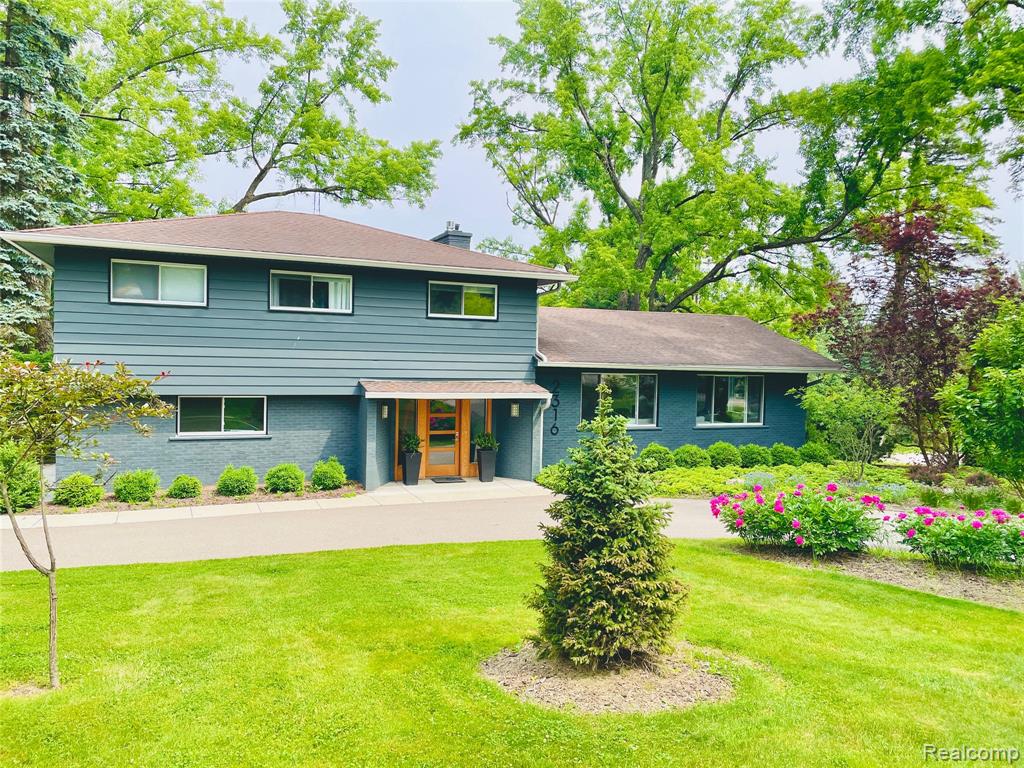
Recently Sold Homes in Ann Arbor


Ann Arbor Commute & Transportation
The transportation network here combines a dense in-city street grid, multiple interstate and U.S. highway corridors, robust public transit through AAATA “TheRide,” and direct freeway access to Detroit Metropolitan Airport. Commute patterns range from on-foot university access to long-distance professional commutes north toward Flint or east toward Detroit.
I-94 / Ford Freeway Corridor
The primary east-west freeway through the southern part of the city. Eastbound I-94 connects to Ypsilanti, Belleville, and Detroit Metropolitan Airport (about 25 minutes) and continues to downtown Detroit (about 45 minutes). Westbound I-94 connects to Jackson, Battle Creek, Kalamazoo, and ultimately Chicago. Rush-hour congestion is heaviest in the Ypsilanti-to-DTW segment and at the I-94 / US-23 interchange south of the city — buyers commuting east should plan around those windows.
US-23 Corridor
The primary north-south route serving the city. Northbound US-23 connects to Brighton, Howell, and Flint, supporting a notable reverse-commute pattern of professionals living north of the city and working at the university or medical campus. Southbound US-23 connects to Saline, Milan, and Toledo. The I-94 / US-23 interchange south of the city was reconstructed in 2017-2018 to ease the heaviest rush-hour bottleneck in the region. The corridor remains the key trade-off variable for buyers in northern townships.
M-14 & Plymouth/Northville Access
M-14 connects the northwest side to Plymouth, Northville, and Livonia, extending east to merge with I-96 toward Detroit. The corridor supports professional commuters who work in the western Detroit suburbs and the I-275 employment cluster — automotive engineering, technology, and corporate office — while living in the city or its western townships. Drive time to Plymouth is about 25 minutes, and the route avoids the heaviest I-94 / US-23 interchange congestion for eastbound commuters.
AAATA “TheRide” + DTW Airport Access
The Ann Arbor Area Transportation Authority operates “TheRide” — bus routes covering the city, Ypsilanti, and Pittsfield Township with frequent service on major corridors and direct University of Michigan integration via the M-Ride program. Detroit Metropolitan Airport sits about 25 minutes east via I-94 and is Delta Air Lines’ second-largest hub, with direct flights to most major U.S. cities and broad international service. Amtrak Wolverine service connects the local station downtown to Chicago, Detroit, and points west.
Where Ann Arbor Sits on the Map
Approximate drive times to other markets buyers commonly compare to Ann Arbor. Times reflect typical non-rush conditions; commute hours add 15–30%.
Ann Arbor Lifestyle, Entertainment & Recreation
Lifestyle anchors here include University of Michigan athletics and cultural programming, the nationally-recognized Ann Arbor Art Fair and Film Festival, extensive Huron River parks and trails, and a dense restaurant and independent-retail scene built around the university community. The mix supports buyers who want urban culture, outdoor recreation, and a year-round event calendar within a single home base.
University of Michigan Athletics & Live Events
Michigan Stadium — “The Big House” — seats 107,601 and is the largest stadium in the United States, hosting Michigan Wolverines football. Crisler Center hosts men’s and women’s basketball plus major touring concerts; Yost Ice Arena hosts Michigan hockey. Beyond athletics, the University Musical Society has presented dozens of classical, dance, and theatrical events annually since 1879, with Hill Auditorium and Rackham Auditorium hosting world-class touring performers across genres.
Ann Arbor Art Fair, Film Festival & Top of the Park
The Art Fair held in the third week of July is among the largest juried art fairs in the United States, drawing roughly half a million visitors over four days. The Ann Arbor Film Festival in March is one of the oldest experimental film festivals in North America. Top of the Park in June and July anchors the Ann Arbor Summer Festival’s free outdoor concert and film programming. Additional events include the Water Hill Music Fest, Folk Festival, and Shakespeare in the Arb.
Huron River, Gallup Park & Border-to-Border Trail
The Huron River runs through the center of the city, supporting kayaking, canoeing, and tubing along the in-town corridor. Gallup Park (69 acres) provides paddling rentals, trails, and a livery; Argo Cascades (a constructed rapids course) and Bandemer Park anchor the upstream river corridor. The 35-mile Border-to-Border Trail follows the Huron River across Washtenaw County. The 123-acre Nichols Arboretum sits on the edge of the U-M Medical Campus, with trails, gardens, and the annual Peony Garden bloom in late May and early June.
Dining, Markets & Local Food Scene
The dining scene is anchored by the Zingerman’s Community of Businesses — the Delicatessen, Roadhouse, Bakehouse, Creamery, and Coffee Company — and a dense corridor of chef-driven independent restaurants on Main Street, Washington Street, and the Liberty/State Street corridor. The Farmers Market in Kerrytown operates year-round, with expanded vendor activity April through December. Additional dining clusters sit around South University and the Plymouth Road corridor near North Campus, supporting a steady food-and-drink calendar across all four ZIP codes.
Ann Arbor Healthcare & Medical Facilities
The city anchors one of the most extensive academic medical complexes in the Midwest. Full-spectrum hospitals, specialty centers, and research facilities concentrate within the city limits, with regional networks extending across Washtenaw County and into Wayne, Livingston, and Monroe counties.
Michigan Medicine / University of Michigan Health
The integrated academic medical center of the University of Michigan, anchored by University Hospital (a Level 1 Trauma Center) plus the Frankel Cardiovascular Center, the Rogel Cancer Center (an NCI-designated comprehensive cancer center), and the Von Voigtlander Women’s Hospital. The campus is the primary clinical and research home of the U-M Medical School, providing tertiary and quaternary care across virtually every specialty. Its workforce of roughly 12,000 employees is one of the largest healthcare workforces in Michigan.
C.S. Mott Children’s Hospital
Operated by Michigan Medicine on the U-M Medical Campus, this is the state’s leading pediatric tertiary-care hospital. Specialty pediatric services include oncology, cardiology, neurosurgery, transplant programs, and a Level 4 Neonatal Intensive Care Unit. The hospital also operates the U-M Congenital Heart Center, recognized nationally for pediatric cardiac care. Demand for housing within walking or short driving distance of the medical campus remains a recurring driver of pricing in the Burns Park, Geddes Heights, and Ann Arbor Hills neighborhoods.
Saint Joseph Mercy Ann Arbor (Trinity Health)
A full-service community hospital in Superior Township immediately east of the city, operated by Trinity Health. Services include emergency care (a Level 2 Trauma Center), cardiovascular care, oncology through the Reichert Health Center, orthopedic surgery, women’s health, and a regional network of outpatient clinics. The campus serves as a major regional employer and is a frequent anchor for commute-shed decisions among buyers considering Ypsilanti, Superior Township, and eastern Pittsfield Township properties at lower price points.
VA Ann Arbor Healthcare System
A Department of Veterans Affairs medical center located on the U-M Medical Campus, serving veterans across southeastern Michigan, northwestern Ohio, and northwestern Indiana. The facility provides primary care, mental health services, surgical specialties, and inpatient rehabilitation. It is affiliated with the U-M Medical School for resident training and joint research collaboration, and it adds a steady employment base of physicians, nurses, and administrative staff to the medical-district employment cluster.
New Listings This Week in Ann Arbor

Ann Arbor Real Estate FAQ
QWhat is the average home price in Ann Arbor?
The city’s average sold price is approximately $597,011 across the city’s four primary ZIP codes (48103, 48104, 48105, 48108), based on current MLS market data — among Michigan’s highest, driven by University of Michigan employment and Ann Arbor Public Schools demand. Burns Park family homes $500K–$1.5M+; Ann Arbor Hills custom estates $600K–$2M+; Old West Side historic district $400K–$1.1M; downtown condos $300K–$1.2M+.
QWhat school district is Ann Arbor in?
Ann Arbor is primarily served by Ann Arbor Public Schools (AAPS), one of Michigan’s most-resourced public districts (~17,000 students). Comprehensive high schools: Pioneer, Huron, and Skyline. Programs include AAPS Open Campus, dual-language immersion at multiple elementary schools, and International Baccalaureate at Huron High. Adjacent townships use Saline Area Schools, Dexter Community Schools, or Chelsea School District — confirm property-specific assignment.
QIs Ann Arbor eligible for USDA loans?
Ann Arbor city limits are NOT USDA-eligible. However, nearby rural Washtenaw and Livingston County communities (Chelsea, Manchester, rural Dexter Township, Pinckney, Hamburg Township) ARE eligible for zero-down USDA loans. Edward verifies eligibility per property — USDA Rural Development boundaries are precise and property-specific.
QHow long do homes typically stay on the market in Ann Arbor?
Well-priced Ann Arbor homes in active neighborhoods can sell in two to four weeks; mispriced inventory sits much longer. The key is accurate pricing from day one — Edward’s 25+ years across Michigan markets prevents the price-cut cycle that costs sellers thousands in final net.
QShould I use a Realtor or sell my home myself (FSBO)?
For most Ann Arbor sellers, working with a licensed Realtor produces a higher final net after accounting for commission. National Association of Realtors data consistently shows FSBO transactions close at lower prices with more contingency complications. Edward’s dual-license advantage means he can pre-approve qualified buyers directly — which speeds closings, reduces fall-through risk, and gives you better negotiating leverage.
QWhat’s the financing process for buying a home in Ann Arbor?
Step 1 — Get pre-approved (Edward can pre-approve you directly as a licensed Mortgage Loan Originator, NMLS #138424). Step 2 — Shop within your approved price range. Step 3 — Submit an offer with pre-approval letter attached. Step 4 — Home inspection plus appraisal. Step 5 — Loan underwriting and conditions. Step 6 — Closing. Edward handles both Realtor and Mortgage sides for Ann Arbor buyers — eliminating the coordination friction that delays most transactions.
QWhy choose Edward Kalavitz for Ann Arbor real estate?
Edward is dual-licensed as both a Michigan Realtor (#6501386956) and Mortgage Loan Originator (NMLS #138424). One expert handles your pre-approval, home search, offer, AND financing — eliminating the back-and-forth that delays most transactions. 25+ years of experience across Michigan’s six MLS networks (Water Wonderland Association, Realcomp II Limited, Northern Great Lakes MLS, MiRealSource, MichRIC, and Greater Lansing Association of REALTORS) gives statewide listing reach unmatched by single-MLS competitors.
Buy or Sell in Ann Arbor with Edward Kalavitz
Dual-licensed Realtor & Mortgage Loan Originator — one trusted professional for your entire transaction.
Available When You Need Answers
Real estate questions don’t wait for business hours — and neither does Edward Kalavitz.

